Tuesday, January 14, 2025
The Hidden Cause of Septic Smell Outside That Everyone Misses!

The Hidden Cause of Septic Smell Outside That Everyone Misses!
Okay, let's talk about something nobody wants to talk about: that awful septic smell lingering outside your house. You've checked the obvious stuff â€" the septic tank itself, the drain field â€" and everything seems fine. So what gives? That persistent, gag-inducing odor is driving you crazy, and you're starting to think you're going to need a hazmat suit just to step outside. Trust me, I've been there. I've battled the stench myself, and let me tell you, finding the source can feel like a detective novel.
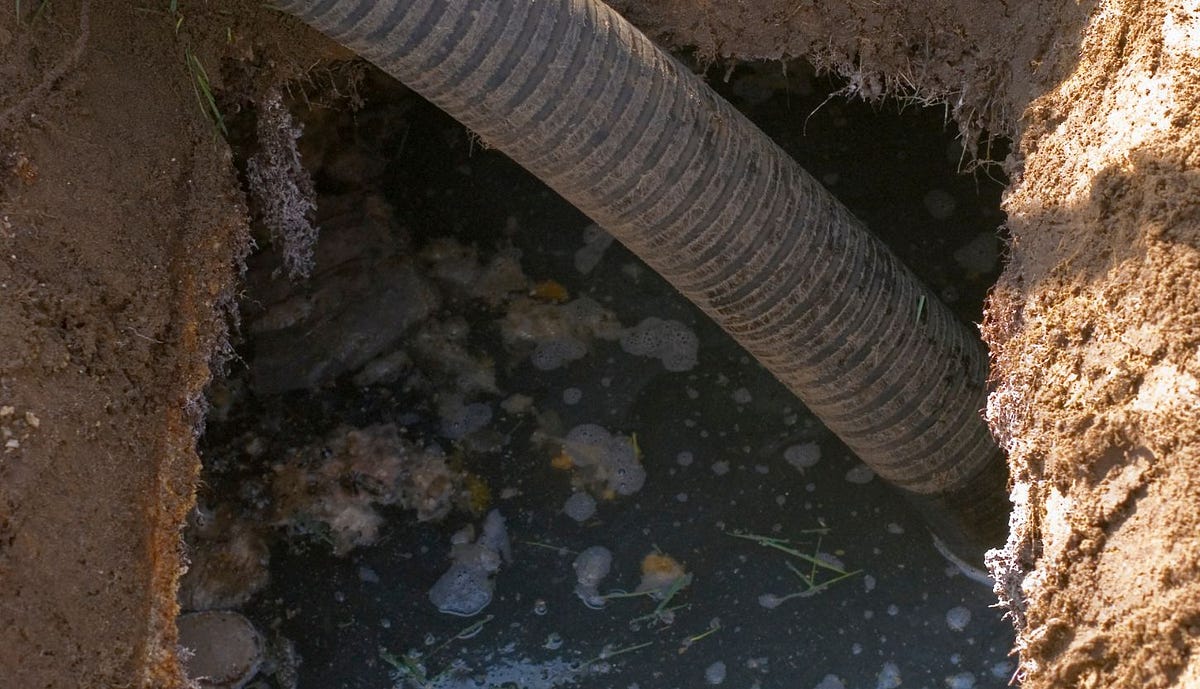
The truth is, the culprit often isn't where you expect it. It's sneaky, it's hidden, and it's easily overlooked. We're talking about the often-missed, yet surprisingly common cause of those persistent septic smells: contaminated soil.
Why Contaminated Soil Smells So Bad
Before we dive into the specifics of how soil gets contaminated and what to do about it, let's talk about *why* contaminated soil smells so bad. Think of your septic system as a carefully balanced ecosystem. It's designed to break down waste effectively, and part of that process involves bacteria. Lots and lots of bacteria. These bacteria are crucial for the decomposition process, but when things go wrong, they can produce some truly unpleasant byproducts â€" namely, hydrogen sulfide gas. That's the rotten egg smell you're so familiar with.
Normally, this gas dissipates relatively quickly. However, if your soil is saturated or poorly drained, the gas can become trapped, creating a persistent, concentrated odor that spreads far beyond your septic tank area. It's not just the hydrogen sulfide either. Other smelly compounds released during the anaerobic breakdown of waste can also contribute to the overall smell.
How Does Soil Get Contaminated?
Several factors can lead to contaminated soil around your septic system, making it a breeding ground for odor-causing bacteria and gases. Let's break down some of the most common culprits:
1. Poor Drainage
This is arguably the biggest offender. If the soil around your septic system doesn't drain properly, wastewater can’t seep away effectively. This leads to a build-up of moisture, creating the perfect environment for anaerobic bacteria to thrive and produce those nasty smells. Clay soils are particularly prone to this issue.
2. Septic System Issues (Beyond the Tank Itself)
Even if your septic tank seems fine, problems with the drain field, like clogged pipes or a failing distribution box, can cause wastewater to back up and saturate the surrounding soil. A leaking pipe, even a small one, can create a localized area of contamination that's difficult to detect.
3. Overloading the System
Putting more waste into your system than it can handle is another common cause. This can overwhelm the bacteria's ability to break down the waste, leading to a build-up of smelly byproducts and soil contamination.
4. Tree Roots
Tree roots can invade and damage your septic system components, leading to leaks and blockages. This not only disrupts the proper functioning of your system but also allows wastewater to seep into the soil, causing the dreadful smell.
5. Improper Installation
If your septic system wasn't installed correctly in the first place, you’re setting yourself up for problems down the line. This can lead to all sorts of issues, including poor drainage and soil contamination.
Finding the Source of the Smell
So, you suspect contaminated soil. Now what? Pinpointing the exact location can be tricky, but here are a few strategies:
- Visual Inspection: Carefully examine the area around your septic tank and drain field. Look for signs of saturated soil (darker, muddier patches), standing water, or unusual vegetation growth.
- Smell Test (carefully!): Use your nose, but be cautious! Try to identify the area where the smell is strongest. This might give you a clue about the source of the problem. (Maybe a professional would be a better choice for the smell test if you're not too keen on the smell)
- Professional Inspection: This is the most reliable method. A septic professional can use specialized equipment to pinpoint leaks, blockages, or other issues within your septic system and assess the condition of your soil.
Solutions for Contaminated Soil
Once you've identified the problem area, you'll need to take action. The solution will depend on the specific cause and severity of the contamination. Options may include:
- Repairing Leaks or Blockages: A professional can repair or replace damaged pipes or components within your septic system.
- Improving Drainage: This might involve installing a drainage system to divert excess water away from the septic system.
- Soil Remediation: In severe cases, soil remediation might be necessary to remove and replace contaminated soil. This is a more intensive process, but it's often effective.
- Septic System Replacement: If your system is old, damaged, or simply inadequate for your household's needs, a full replacement might be the best long-term solution.
Preventing Future Problems
Preventing contaminated soil is much easier (and cheaper!) than dealing with the problem once it arises. Here are some preventative measures:
- Regular Septic Inspections: Have your septic system inspected every 1-3 years by a qualified professional.
- Proper System Maintenance: Avoid overloading your system with excessive waste. Use water wisely, and consider using septic-safe products.
- Keep Trees and Shrubs Away: Prevent tree roots from invading your septic system by maintaining a buffer zone around it.
- Regular Pump Outs: Ensure your septic tank is pumped out regularly, as recommended by your professional.
Frequently Asked Questions
Q: How much does it cost to fix contaminated soil around a septic system?
A: The cost varies greatly depending on the extent of the problem and the necessary repairs. Minor repairs might cost a few hundred dollars, while major repairs or soil remediation could cost thousands.
Q: Can I fix contaminated soil myself?
A: Unless you're experienced with septic systems and soil remediation, it's best to leave this to a professional. Improperly addressing the problem could worsen the situation and lead to more costly repairs down the line.
Q: How often should I have my septic tank pumped?
A: The frequency of septic tank pumping depends on several factors, including the size of your tank, the number of people in your household, and your water usage. It's generally recommended to have your tank pumped every 3-5 years, but it's always best to consult with a professional to determine the appropriate schedule for your specific system.
Q: What are the signs of a failing septic system?
A: Signs of a failing septic system include slow drains, gurgling sounds from the drains, foul odors (both inside and outside the house), sewage backing up into your house, and unusually lush or soggy areas of vegetation around your septic system.
Dealing with a septic smell is never fun, but by understanding the potential causes, particularly the often-overlooked issue of contaminated soil, you can take steps to address the problem effectively and prevent future issues. Remember, prevention is key!

Friday, November 22, 2024
Are There DIY Septic Tank Odor Neutralizers That Work?

Banishing Septic Tank Odors: Do DIY Neutralizers Really Work?
That tell-tale whiff of sewage creeping from your yard can be incredibly unpleasant. Before you call in the expensive professionals, you might wonder: can I tackle those septic tank odors myself? The good news is, yes, you can try a few DIY septic tank odor neutralizers. The bad news? Their effectiveness varies wildly depending on the source and severity of the problem. This article will explore several DIY solutions and help you understand when they might be helpful, and when it's time to call in the experts.
Understanding Septic Tank Odors
Before diving into DIY solutions, let's understand the enemy. Septic tank odors typically originate from a buildup of gases produced during the breakdown of organic matter. These gases, including hydrogen sulfide (that rotten egg smell), methane, and ammonia, escape if your septic system isn't functioning optimally. Cracks in the tank, a clogged drain field, or insufficient bacterial activity all contribute to odor problems. Simply masking the smell with air fresheners is a temporary fix; addressing the root cause is crucial.
DIY Septic Tank Odor Neutralizers: What Works (and What Doesn't)
The internet abounds with DIY remedies, but many are ineffective or even counterproductive. Let's examine some popular options and their potential efficacy:
Baking Soda and Vinegar: A Common Misconception
Many suggest a baking soda and vinegar solution. While this combination works wonders for cleaning certain surfaces, its effectiveness on septic tank odors is debatable. The reaction creates carbon dioxide, which offers minimal impact on the noxious gases already present. This approach might temporarily mask the smell, but it won't address the underlying issue of gas production or leaks. It's more of a placebo than a solution.
Beneficial Bacteria: The Most Promising Approach
Introducing beneficial bacteria to your septic system is a more promising DIY strategy. These microorganisms actively break down organic waste, reducing the production of odor-causing gases. You can purchase septic tank bacterial treatments at most home improvement stores. However, carefully read the instructions. Overusing these products can sometimes disrupt the natural balance of your system. Always follow the recommended dosage and application methods.
Enzyme Treatments: A Powerful Alternative
Enzyme treatments work similarly to beneficial bacteria but utilize enzymes to break down organic matter. These are often more effective at tackling stubborn clogs and accumulated waste. They are available commercially and, like bacterial treatments, should be used according to the manufacturer's instructions. Enzyme treatments may be particularly helpful if you suspect slow draining or a sluggish system, which contributes to odor problems.
Other DIY Attempts: Generally Ineffective
Avoid using harsh chemicals, bleach, or drain cleaners. These can damage your septic system's delicate ecosystem and ultimately worsen the odor problem. Similarly, pouring boiling water down the drains won't significantly improve the situation and might even crack pipes. Focus on natural solutions to maintain the health of your septic system.
When to Call a Professional
While DIY solutions can help manage mild odor issues, persistent or worsening smells indicate a more serious problem. Don't hesitate to contact a septic tank professional if:
- Odors are strong and persistent despite using DIY methods.
- You experience slow draining or sewage backups.
- You suspect a leak or damage to your septic tank or drain field.
- You're unsure about the condition of your septic system.
Ignoring significant septic problems can lead to costly repairs and environmental hazards. Regular maintenance and prompt professional attention are crucial for preventing major issues and keeping your home odor-free.
Wednesday, November 20, 2024
What’s the Best Way to Stop Septic Tank Odors Indoors?
Banishing Those Pesky Septic Tank Odors from Your Home
That unmistakable sewer smell creeping into your home? It's a problem that needs immediate attention. A smelly septic system isn't just unpleasant; it can also signal underlying issues that could lead to costly repairs. Before you call in the professionals (and you might need to!), let's explore the best ways to stop those septic tank odors from invading your indoor space. This isn't about masking the smell with air fresheners; we're talking about tackling the source of the problem to create a fresh, healthy home environment.
Identifying the Source: Where's That Smell Coming From?
The first step in conquering septic odors is pinpointing their origin. Don't just assume it's your septic tank. The smell might be originating from a cracked pipe, a faulty vent stack, or even a clogged drain in your bathroom or kitchen. Carefully inspect your plumbing fixtures. Look for any signs of leaks, cracks, or unusual moisture around drains and pipes. Pay close attention to areas where sewer gases might be escaping, such as around toilet flanges, shower drains, or floor drains in the basement. If you suspect a problem with your plumbing, don't hesitate to contact a qualified plumber. They possess the expertise to locate the source of the problem and implement the appropriate solution.
Effective Solutions to Eliminate Septic Tank Odors
Once you've identified the potential source, it's time to employ effective strategies to neutralize the odor. Remember, a multi-pronged approach is often the most successful.
Maintaining Your Septic System
Regular maintenance is crucial for preventing septic tank odors. This involves:
- Regular Pumping: Schedule regular septic tank pumping by a qualified professional. The frequency depends on your household size and usage, but generally every 3-5 years is recommended.
- Avoid Overloading: Avoid flushing items like grease, feminine hygiene products, and excessive amounts of toilet paper that can clog your system and contribute to odors.
- Conserve Water: Excessive water usage can overwhelm your septic system. Be mindful of your water consumption and look for ways to reduce it.
- Inspect Your Drain Field: Avoid driving or parking heavy vehicles over your drain field. Regular visual inspection for signs of saturation or pooling water can help identify potential problems early.
Addressing Plumbing Issues
If you suspect a plumbing problem, don't delay seeking professional help. A plumber can diagnose and repair issues like:
- Cracked or Leaky Pipes: These allow sewer gases to escape into your home.
- Clogged Drains: A slow drain or completely clogged drain can create a breeding ground for bacteria and release unpleasant odors.
- Faulty Vent Stack: A properly functioning vent stack is essential for preventing sewer gases from backing up into your home. A clogged or damaged vent stack needs immediate repair.
Using Natural Odor Neutralizers
While addressing the root cause is paramount, you can use natural odor neutralizers to temporarily combat the smell. Baking soda and vinegar are excellent options. Sprinkle baking soda down drains and toilets to absorb odors, then follow with vinegar to create a fizzing reaction that helps clean the pipes. Remember, this is a temporary measure and won't solve underlying problems.
When to Call a Professional
If you've tried these steps and the odor persists, it's time to call in the professionals. A septic tank specialist or plumber can conduct a thorough inspection, diagnose the problem, and recommend appropriate solutions. Don't ignore persistent septic odors; a small problem can quickly become a costly one if left unchecked.
Tuesday, November 19, 2024
How Do I Stop My Bathroom from Smelling Like a Septic Tank?

Ugh, My Bathroom Smells Like a Septic Tank! Help!
Okay, so you've got a serious bathroom odor problem. That "septic tank" smell is not just unpleasant; it's a sign that something's wrong, and ignoring it could lead to bigger issues. Let's tackle this together and get your bathroom smelling fresh and clean again! This isn't just about masking the smell with air freshener â€" we need to find the source and fix it.Identifying the Stinky Culprit
Before we jump into solutions, we need to figure out *why* your bathroom smells like a septic tank. It's a bit like being a bathroom detective! Here are some of the usual suspects:The Sewer Gas Escape Route
This is the most likely culprit for that truly awful septic smell. Sewer gas, a mix of various gases produced by decaying organic matter in the sewage system, is escaping into your bathroom. This usually happens through cracks or gaps in your plumbing system, including:
- Dry P-traps: P-traps are those curved pipes under your sinks and shower. They hold water that acts as a seal, preventing sewer gases from rising. If the water evaporates (due to infrequent use), the seal breaks, and BAM! Septic smell.
- Cracked Pipes: Over time, pipes can crack, especially older ones made of cast iron. These cracks provide easy escape routes for sewer gases.
- Faulty Toilet Seal: A worn-out wax ring (the seal between the toilet and the floor) can allow sewer gases to seep through.
- Vent Stack Issues: Your bathroom's vent stack is crucial for proper airflow in the drainage system. A clogged or damaged vent stack can create pressure imbalances that force sewer gases back into your bathroom.
The Toilet's Troubles
Sometimes the problem originates directly from your toilet. A clogged toilet can lead to a backup of sewage and that unmistakable rotten egg smell. Even a seemingly minor clog can allow gases to escape. Consider these:
- Clogged drains: Hair, soap scum, and other debris can build up and restrict water flow, leading to backups and odor.
- A faulty flapper: If your toilet's flapper doesn't seal properly, it can allow water to constantly seep into the bowl, creating the perfect breeding ground for bacteria and odors.
Beyond the Plumbing: Other Potential Sources
While plumbing issues are most common, other factors can contribute to that awful smell:
- Dirty drains: Regular cleaning of drains with baking soda and vinegar or a commercial drain cleaner is essential. Ignoring this can lead to slow drains and foul odors.
- Poor ventilation: A poorly ventilated bathroom allows moisture and odors to linger. Make sure your exhaust fan is working correctly and runs for a sufficient time after showering or bathing.
- Garbage Disposal Issues: A clogged or malfunctioning garbage disposal can also lead to sewer-like odors, especially if it's connected to the bathroom drain.
- Mold and mildew: These thrive in damp environments and can produce a musty odor that, when combined with other smells, can mimic a septic tank smell.
Tackling the Stink: Solutions & Prevention
Now that we’ve identified potential culprits, let’s get to fixing this!Addressing Plumbing Problems
This is where things might get a bit more complicated. For major plumbing issues, it's best to call a qualified plumber. Trying to fix things yourself without the proper knowledge could worsen the problem. However, some simple checks can be done:
- Check your P-traps: If they're dry, add water. If they're constantly dry, there may be a leak or a problem with the drain.
- Check your toilet seal: Look for any signs of damage or cracks around the base of the toilet. A leaky seal needs to be replaced. (This is a job best left to a plumber if you're not experienced.)
- Run water down all drains regularly: This keeps the P-traps full and prevents the sewer gases from escaping.
Cleaning and Maintenance for Odor Control
Even if you don't have a major plumbing problem, regular cleaning and maintenance are vital for odor prevention:
- Clean your drains regularly: Use baking soda and vinegar, or a commercial drain cleaner. Follow the instructions carefully.
- Clean your toilet thoroughly: Scrub the bowl, paying attention to the rim and under the rim where grime and bacteria build up. Use a toilet bowl cleaner designed to tackle stubborn stains and odors.
- Ventilate your bathroom: Use your exhaust fan after every shower or bath. Open a window if possible to improve airflow.
- Address mold and mildew: Clean any visible mold or mildew with a bleach solution (always dilute bleach according to package instructions and wear protective gear). Prevent future growth by improving ventilation and reducing moisture.
When to Call a Professional
There's no shame in admitting you need help! If you've tried the basic troubleshooting steps and are still battling a septic-smelling bathroom, it's time to call a plumber. Here are some signs that you should definitely call in the pros:
- Persistent foul odor despite cleaning: If the smell doesn't improve after you've cleaned and checked the obvious things, there might be a deeper plumbing issue.
- Slow or clogged drains: This suggests a blockage that requires professional attention.
- Sewage backup: If you see actual sewage backing up into your bathroom, you need immediate professional help to avoid a health hazard.
- Gas leaks: Sewer gas is dangerous. If you suspect a gas leak, evacuate immediately and contact emergency services.
Frequently Asked Questions
Here are some common questions people have about bathroom odors:
Q: What's the difference between a septic tank smell and a regular drain smell?
A: A regular drain smell is usually musty and related to accumulated organic matter. A septic tank smell is much stronger, more pungent, and distinctly like rotten eggs (hydrogen sulfide). It indicates a problem with sewer gas escaping.
Q: Will air fresheners really solve the problem?
A: No! Air fresheners only mask the smell; they don't fix the underlying problem. You're just covering up a potentially serious issue.
Q: How often should I clean my drains?
A: At least once a month, preferably more frequently if you have long hair or use a lot of hair products. A simple baking soda and vinegar treatment is a good start.
Q: My bathroom is always damp. What can I do?
A: Improve ventilation â€" use the exhaust fan religiously and consider installing a dehumidifier. Also, check for any leaks in your plumbing that could be contributing to the moisture.
Q: Can I use bleach to clean my drains?
A: While bleach can kill some bacteria, overuse can damage your pipes. It's better to use baking soda and vinegar for routine cleaning, reserving bleach for situations with visible mold or mildew.
Remember, a persistent septic-smelling bathroom is not something to ignore. By identifying the source and taking the appropriate steps, you can get rid of that awful smell and restore your bathroom's freshness and cleanliness!
Sunday, November 17, 2024
How to Stop Septic Tank Smells After Heavy Rain

Ugh, That Post-Rain Septic Smell! How to Get Rid of It
So, you’ve just weathered a downpour, and now your property smells…well, let’s just say it’s not roses. That familiar, unpleasant septic tank odor is wafting through the air, and you're wondering what on earth is going on. Don't worry, you're not alone! Heavy rain often exacerbates septic system issues, leading to that dreaded smell. But before you panic and start calling expensive plumbers, let’s explore some solutions. This isn't rocket science, and you might be surprised at how many simple things can help banish that stench.
Understanding Why Rain Brings on the Stink
The connection between rain and septic smells might seem mysterious, but it's actually pretty straightforward. Heavy rainfall can overwhelm your septic system in a few key ways:
Groundwater Levels Rise
When the ground is saturated with rainwater, the water table rises. This can push groundwater into your septic tank, forcing wastewater up and out through any cracks or poorly sealed areas. Think of it like a soda bottle being squeezed â€" the pressure has to go somewhere! That “somewhere†can unfortunately be your yard, carrying that less-than-pleasant aroma with it.
Soil Saturation Impacts Drainage
The soil surrounding your septic drain field needs to be able to absorb the treated wastewater that drains from your tank. If the soil is already saturated from heavy rain, it can't absorb this wastewater efficiently. This leads to a backup, causing wastewater to surface and release those not-so-pleasant gases.
Increased Water Volume
Simple math: more rain means more water entering your system. Your septic tank and drain field are designed to handle a certain volume of wastewater. A sudden influx of rainwater can overload the system, causing it to struggle to process everything effectively, leading to that awful smell.
Tackling the Septic Smell After a Storm
Now that we know why rain causes the problem, let's talk solutions. Here’s a breakdown of steps you can take to get rid of that septic smell:
Assess the Situation
Before you start anything, take a good look around. Is the smell localized to a specific area? Do you see any signs of standing water or soggy ground near your septic tank or drain field? This helps determine the extent of the problem and guide your next steps.
Check for Obvious Issues
Sometimes, the problem is simpler than you think. Look for obvious signs of trouble:
- Clogged vents: A clogged vent pipe prevents gases from escaping properly, forcing them to find another way out â€" usually through the ground near your tank.
- Broken or damaged lids: Cracks or gaps in the tank lid can allow gases to escape.
- Standing water near the tank or drain field: Indicates a drainage problem that needs attention.
Improve Drainage
If you notice standing water, try to improve drainage around the septic tank and drain field. This might involve:
- Creating shallow ditches: To guide excess water away from the area.
- Clearing vegetation: Overgrown plants can obstruct drainage.
- Adding gravel: To improve soil permeability.
Important Note: Don’t try to alter the drain field itself unless you are a qualified professional. Improper modifications can severely damage your septic system.
Aerate the Soil
Aerating the soil around your drain field can help it absorb wastewater more efficiently. You can do this by:
- Core aeration: Using a core aerator to remove small plugs of soil, improving air circulation.
- Forks or shovels: Manually turning over the soil in the area around the drain field (avoid getting too close to the drain lines).
Use a Septic System Treatment
Septic system treatments are readily available at most home improvement stores. These products contain bacteria and enzymes that help break down waste in your septic tank, reducing odor and improving efficiency. Always follow the instructions on the packaging carefully.
Call a Professional
If the smell persists despite your efforts, or if you notice other signs of septic system failure (like sewage backing up into your house), it's time to call a professional septic system contractor. They have the expertise to diagnose and address more serious problems that you might not be able to handle yourself. This is always better than dealing with a major (and expensive) failure later.
Preventing Future Septic Smells
Prevention is key! Here are a few things you can do to minimize the chances of septic smells, especially after heavy rain:
Commonly Asked Questions
Here are some frequently asked questions about septic smells and heavy rain:
Q: How often should I have my septic tank pumped?
A: The frequency depends on the size of your tank, household size, and water usage. A good rule of thumb is every 3-5 years, but it's best to consult with a septic professional to determine the ideal schedule for your system.
Q: What are the signs of a failing septic system?
A: Signs include persistent foul odors, sewage backing up into your home, slow drains, soggy or unusually lush grass over your drain field, and gurgling sounds from your plumbing.
Q: Can I use bleach to get rid of septic smells?
A: While bleach can temporarily mask the smell, it can actually harm the beneficial bacteria in your septic system that are essential for proper wastewater treatment. It's generally best to avoid using bleach in your septic system.
Q: Can I plant trees near my septic system?
A: It's best to avoid planting large, deep-rooted trees near your septic system, as their roots can damage the drain lines. Smaller shrubs and plants are usually okay, but it’s best to check with your local septic professional.
Dealing with a smelly septic system after a rain storm can be frustrating, but by understanding the cause and following these tips, you can keep the unpleasant odors at bay. Remember, regular maintenance and prompt attention to any problems are key to a healthy and odor-free septic system!
Understanding Why Septic Tank Odors Are More Noticeable at Night

The Nighttime Stink: Why Septic Tank Odors Are Stronger at Night
You’ve just settled into your favorite armchair, a good book in hand, and the evening’s tranquility is shattered by a whiff of something…unpleasant. It’s that familiar, unmistakable scent of sewage. What’s going on? Why is it that septic tank odors seem to be more noticeable at night? It’s a common complaint, and one that can be a bit disconcerting. Rest assured, it’s usually not a sign of a serious septic system problem. Instead, there are a few factors that contribute to the intensified odors at night.The Mystery of the Nighttime Stench
Let’s break down why your nose might be more sensitive to those unfortunate smells after the sun sets. It’s a combination of atmospheric and environmental factors, along with a bit of our own biology.
Temperature and Air Movement
As the day transitions to night, the air cools down. This cooling effect has a direct impact on the way odors travel.
Think of it like this: Warmer air is lighter and tends to rise. As the air cools, it becomes denser and sinks. This movement can trap odor molecules closer to the ground, where they are more likely to reach our noses.
During the day, the heat of the sun can create air currents that help disperse odors. But at night, these air currents tend to be weaker, allowing the smell to linger near the ground.
Atmospheric Pressure
Think of atmospheric pressure as the weight of the air above us. As the air pressure decreases, it can create a bit of a vacuum effect. This can cause odors that might otherwise be trapped in the soil or air to rise and become more noticeable.
You might have noticed how a slight drop in pressure can make your ears pop â€" this is the same principle at work. The air pressure changes can also influence how far those nasty odors travel.
Biological Factors
The air might not be the only thing changing at night. Our own bodies undergo subtle shifts as we settle into sleep.
Our sense of smell can be more sensitive when we're at rest. Think about how a strong fragrance might seem overwhelming at night, even if it was barely noticeable during the day. This is because our bodies are in a more relaxed state and our senses are more alert.
Beyond the Basics: Potential Septic System Issues
While nighttime odor intensification is usually a combination of environmental factors, it’s important to recognize that it can sometimes be a sign of a septic system issue.
Here are a few situations where a nighttime odor might signal a problem:
- Slow drainage in your home
- Gurgling noises in the plumbing
- Soggy or wet areas around the septic tank
If you suspect a problem, it’s essential to call a professional septic system inspector. They can help determine the cause of the odor and advise on the best course of action.
Tips for Minimizing Septic Tank Odors
It's impossible to completely eliminate odors from your septic system, but there are some things you can do to help minimize them:
- Pumping the tank every 3-5 years (or as recommended by your inspector)
- Inspecting the tank and drain field regularly for any signs of damage or issues
- Grease and oil
- Disposable wipes (even those labelled "flushable")
- Large amounts of chemicals or medications
- Excess paper products
Commonly Asked Questions
What’s the difference between a septic tank and a sewer system?
A sewer system is a centralized system where wastewater from multiple households is collected and transported to a sewage treatment plant for processing. Septic systems are independent, on-site systems that treat wastewater within a single property.
Should I be concerned if I smell a sewage odor coming from my neighbor’s property?
While it’s not necessarily a cause for alarm, it’s best to let your neighbor know about the odor. It could indicate an issue with their septic system that they might be unaware of.
Can I use bleach to neutralize odors in my septic system?
Bleach can be harmful to the beneficial bacteria in your septic system and can actually worsen odors in the long run. Stick to septic system-specific additives if you want to control odors.
My septic system is new, but I still smell odors. What’s going on?
Even brand new septic systems can sometimes have odor issues. It’s important to ensure proper installation and to follow all recommended maintenance procedures. If the odor persists, contact a professional for an inspection.
Septic tank odors can be a bit of a nuisance, especially when they seem to be more pronounced at night. By understanding the factors at play and taking steps to minimize them, you can reduce the frequency and intensity of these unpleasant smells. Remember that if you have any concerns, it's always best to consult with a qualified septic system professional.
Managing New Septic Tank Odors: Tips for Outdoor Smells

Managing New Septic Tank Odors: Tips for Outdoor Smells
A new septic tank installation is a significant investment in your property, but sometimes, it can come with an unwelcome side effect: unpleasant odors. If you're experiencing new septic tank smells wafting through your yard, don't despair! These odors are often temporary and can be effectively managed with a few proactive steps. This article will provide practical tips to help you eliminate those unwanted smells and enjoy a fresh-smelling outdoor space.
Understanding the Source of the Odor
Before diving into solutions, it's important to understand the root cause of the odor. Septic tank odors typically arise from a combination of factors:
- Incomplete breakdown of waste: When the bacteria in your septic tank struggle to break down waste properly, it can release volatile compounds that create foul smells.
- Poor ventilation: A lack of proper ventilation in the septic system can trap gases, leading to odor build-up.
- Leaks or cracks: Cracks in the septic tank or its components can allow gases to escape into the surrounding soil, creating noticeable odors.
- Improper installation: If the septic tank was not installed correctly, it might be prone to odor problems.
Tips to Manage Septic Tank Odors
Here are some proven strategies to address those unwanted odors:
1. Boost Septic Tank Bacteria
A healthy septic system depends on active bacteria that break down waste. You can strengthen the bacteria population with septic tank additives that contain beneficial microorganisms. These additives are readily available at hardware stores and online. Regularly adding them will help prevent waste from accumulating and minimize odors.
2. Improve Ventilation
Ensure adequate ventilation in your septic system by regularly inspecting vent pipes. If the vent pipe is blocked, clogged, or damaged, it can hinder the escape of gases, leading to odors. Clean or replace the vent pipe if necessary to ensure proper airflow.
3. Check for Leaks
Inspect the entire septic system for leaks or cracks. Look for signs of wet or soft soil around the tank, pipes, and lids. If you suspect a leak, contact a qualified septic tank professional for repairs.
4. Maintain Proper Use
Avoid overloading your septic system with unnecessary waste. Flush only biodegradable toilet paper and avoid dumping grease, oil, chemicals, and large amounts of food waste down the drain. These items can hinder bacterial activity and lead to odor problems.
5. Use a Septic Tank Deodorizer
Commercial septic tank deodorizers can help mask unpleasant smells by releasing a pleasant fragrance. However, remember that these products are temporary solutions and do not address the underlying cause of the odor.
6. Contact a Septic System Expert
If you've tried the above tips and the odors persist, it's time to seek professional help. A licensed septic tank technician can inspect your system thoroughly, identify the source of the odor, and provide effective solutions. They might suggest repairs, maintenance, or even a complete system upgrade.
Conclusion
Managing septic tank odors can seem daunting, but with the right approach, you can enjoy a fresh and pleasant outdoor environment. Remember to keep your system well-maintained, boost bacterial activity, ensure proper ventilation, and address any leaks promptly. By taking these proactive steps, you can eliminate those unpleasant odors and maintain a healthy and efficient septic system for years to come.