Wednesday, November 20, 2024
What’s the Best Way to Stop Septic Tank Odors Indoors?
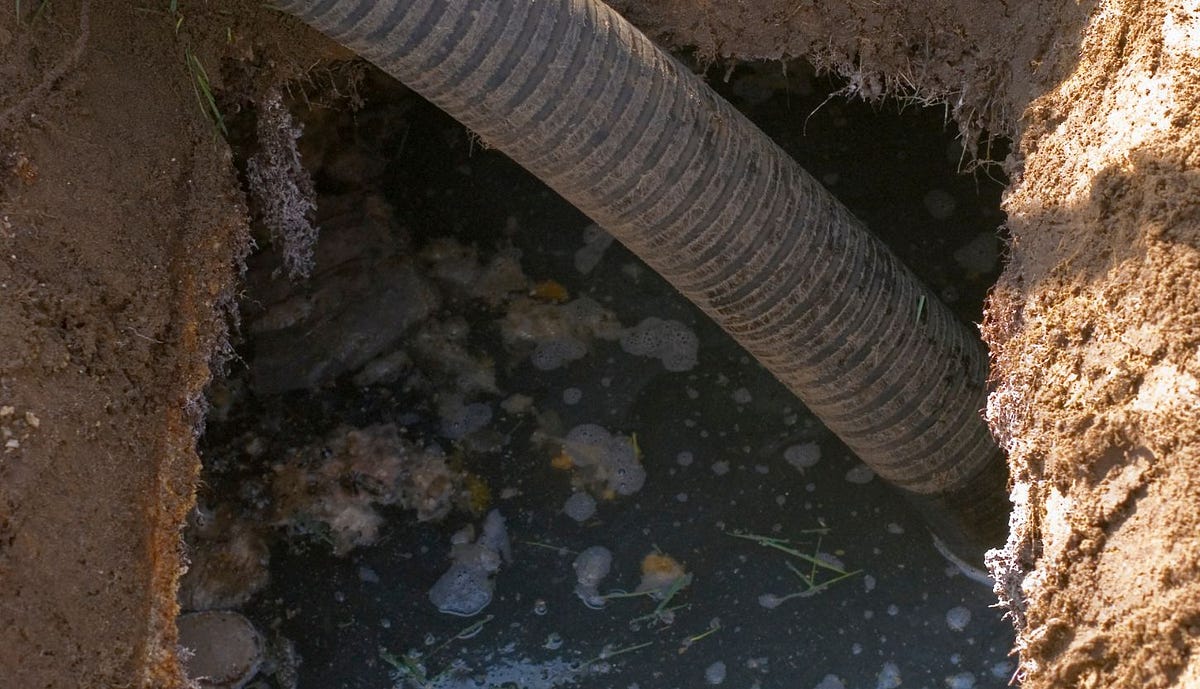
Banishing Those Pesky Septic Tank Odors from Your Home
That unmistakable sewer smell creeping into your home? It's a problem that needs immediate attention. A smelly septic system isn't just unpleasant; it can also signal underlying issues that could lead to costly repairs. Before you call in the professionals (and you might need to!), let's explore the best ways to stop those septic tank odors from invading your indoor space. This isn't about masking the smell with air fresheners; we're talking about tackling the source of the problem to create a fresh, healthy home environment.
Identifying the Source: Where's That Smell Coming From?
The first step in conquering septic odors is pinpointing their origin. Don't just assume it's your septic tank. The smell might be originating from a cracked pipe, a faulty vent stack, or even a clogged drain in your bathroom or kitchen. Carefully inspect your plumbing fixtures. Look for any signs of leaks, cracks, or unusual moisture around drains and pipes. Pay close attention to areas where sewer gases might be escaping, such as around toilet flanges, shower drains, or floor drains in the basement. If you suspect a problem with your plumbing, don't hesitate to contact a qualified plumber. They possess the expertise to locate the source of the problem and implement the appropriate solution.
Effective Solutions to Eliminate Septic Tank Odors
Once you've identified the potential source, it's time to employ effective strategies to neutralize the odor. Remember, a multi-pronged approach is often the most successful.
Maintaining Your Septic System
Regular maintenance is crucial for preventing septic tank odors. This involves:
- Regular Pumping: Schedule regular septic tank pumping by a qualified professional. The frequency depends on your household size and usage, but generally every 3-5 years is recommended.
- Avoid Overloading: Avoid flushing items like grease, feminine hygiene products, and excessive amounts of toilet paper that can clog your system and contribute to odors.
- Conserve Water: Excessive water usage can overwhelm your septic system. Be mindful of your water consumption and look for ways to reduce it.
- Inspect Your Drain Field: Avoid driving or parking heavy vehicles over your drain field. Regular visual inspection for signs of saturation or pooling water can help identify potential problems early.
Addressing Plumbing Issues
If you suspect a plumbing problem, don't delay seeking professional help. A plumber can diagnose and repair issues like:
- Cracked or Leaky Pipes: These allow sewer gases to escape into your home.
- Clogged Drains: A slow drain or completely clogged drain can create a breeding ground for bacteria and release unpleasant odors.
- Faulty Vent Stack: A properly functioning vent stack is essential for preventing sewer gases from backing up into your home. A clogged or damaged vent stack needs immediate repair.
Using Natural Odor Neutralizers
While addressing the root cause is paramount, you can use natural odor neutralizers to temporarily combat the smell. Baking soda and vinegar are excellent options. Sprinkle baking soda down drains and toilets to absorb odors, then follow with vinegar to create a fizzing reaction that helps clean the pipes. Remember, this is a temporary measure and won't solve underlying problems.
When to Call a Professional
If you've tried these steps and the odor persists, it's time to call in the professionals. A septic tank specialist or plumber can conduct a thorough inspection, diagnose the problem, and recommend appropriate solutions. Don't ignore persistent septic odors; a small problem can quickly become a costly one if left unchecked.

No comments:
Post a Comment
Note: Only a member of this blog may post a comment.