Saturday, November 16, 2024
How Long Will a New Septic Tank Smell Last and How to Reduce It
How Long Will a New Septic Tank Smell Last and How to Reduce It
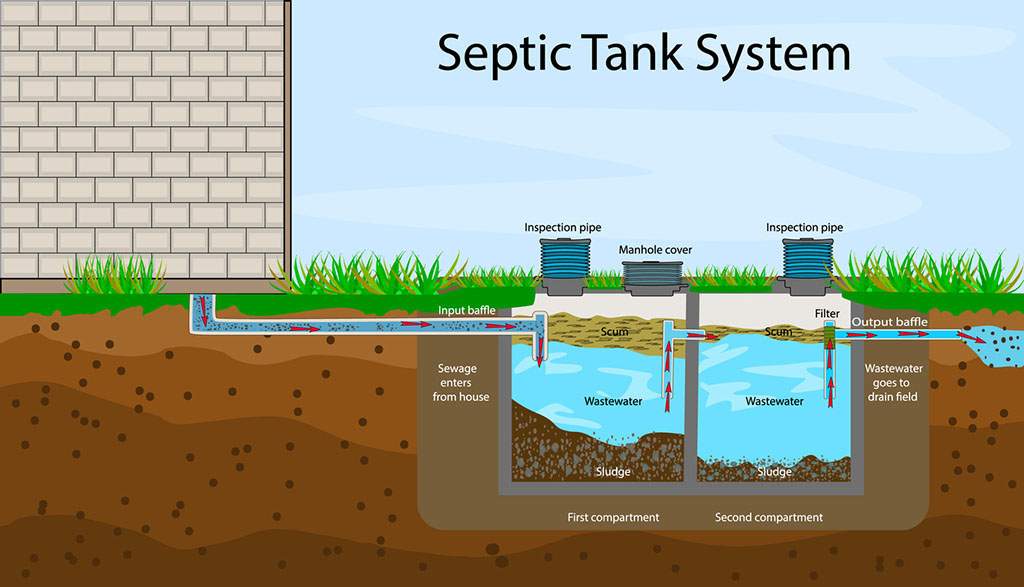
The installation of a new septic tank is a significant investment in your home's infrastructure. While it provides a reliable waste management system, it can also bring about an unwelcome odor, particularly in the initial stages. This article will delve into the factors influencing the duration of this smell, along with effective strategies to mitigate it.
The Factors Affecting the Smell Duration
The persistence of septic tank odors following installation is influenced by a combination of factors, including:
1. Tank Size and Capacity
The size of the septic tank plays a crucial role in determining the frequency of its use and, consequently, the odor. A larger tank can hold more wastewater, reducing the frequency of pumping and minimizing the potential for odor buildup.
2. Waste Composition
The type of waste entering the septic tank influences the odor's intensity and duration. Certain types of waste, such as food scraps, produce stronger odors compared to others. It is advisable to minimize the discharge of excessive amounts of food waste into the septic system.
3. Soil Type
The surrounding soil's composition and drainage properties can affect how effectively the septic tank handles waste. Poorly draining soils can lead to the accumulation of wastewater and contribute to odor production. It is crucial to ensure proper drainage and ventilation to prevent the buildup of gases.
4. Tank Age
Newly installed septic tanks are more prone to odor issues compared to older ones. This is due to the presence of fresh organic matter and the ongoing bacterial activity within the tank. As the bacteria break down the waste, the odor typically decreases over time.
5. Maintenance Practices
Regular maintenance plays a vital role in minimizing odor. This includes routine pumping of the septic tank, cleaning the drain field, and inspecting the system for any leaks or blockages. Neglecting these maintenance tasks can contribute to odor problems.
Strategies to Reduce Septic Tank Smell
While a new septic tank may initially emit an odor, there are effective strategies to minimize or eliminate it:
1. Proper Installation and Ventilation
During installation, ensure the septic tank is properly located, leveled, and vented. An adequately sized vent pipe allows for the release of gases, reducing the potential for odor accumulation within the tank and surrounding area.
2. Minimize Food Waste Discharge
Limit the amount of food waste entering the septic system. This can be achieved by using a garbage disposal sparingly, composting food scraps, and avoiding pouring fats and oils down the drain.
3. Use Bioaugmentation Products
Bioaugmentation products contain beneficial bacteria and enzymes that help break down organic matter in the septic tank, reducing odor-causing compounds. These products can be added to the tank periodically to enhance its efficiency and reduce the likelihood of odor generation.
4. Flush with Water Regularly
Regular flushing of the septic tank with water is essential to maintain proper drainage and prevent odor buildup. This can be accomplished by running water in the sinks, showers, and toilets frequently.
5. Regularly Pump and Clean the Tank
Schedule regular pumping of the septic tank according to its size and usage. A full tank can produce stronger odors and compromise the system's functionality. Additionally, consider having the tank cleaned professionally to remove sludge and other accumulated waste, which can contribute to odor production.
6. Inspect and Maintain the Drain Field
The drain field plays a crucial role in dispersing treated wastewater into the surrounding soil. Regular inspection and maintenance, such as clearing any blockages or obstructions, can help ensure proper drainage and minimize the likelihood of odor buildup.
7. Install an Odor Control System
For persistent odor issues, installing an odor control system can be a viable solution. These systems use activated carbon filters or other technologies to trap and neutralize odor molecules, providing a more effective and long-lasting odor reduction solution.
8. Consider Using a Septic Tank Deodorizer
Septic tank deodorizers, available in various forms, can help mask or neutralize unpleasant odors. These products typically contain fragrances or odor-absorbing agents that can temporarily reduce the perception of odors. However, they do not address the underlying cause of the odor. It is important to address the root cause of the odor using the strategies mentioned above.
Conclusion
A new septic tank may initially exhibit odor, but this is often temporary. By understanding the factors influencing odor duration and implementing the recommended strategies, homeowners can effectively reduce or eliminate septic tank smells. Proper installation, maintenance, and responsible waste disposal practices are key to minimizing odor production and ensuring the longevity and efficiency of the septic system.

No comments:
Post a Comment
Note: Only a member of this blog may post a comment.