Tuesday, November 12, 2024
How to Eliminate Septic Tank Odor with Smart System Adjustments
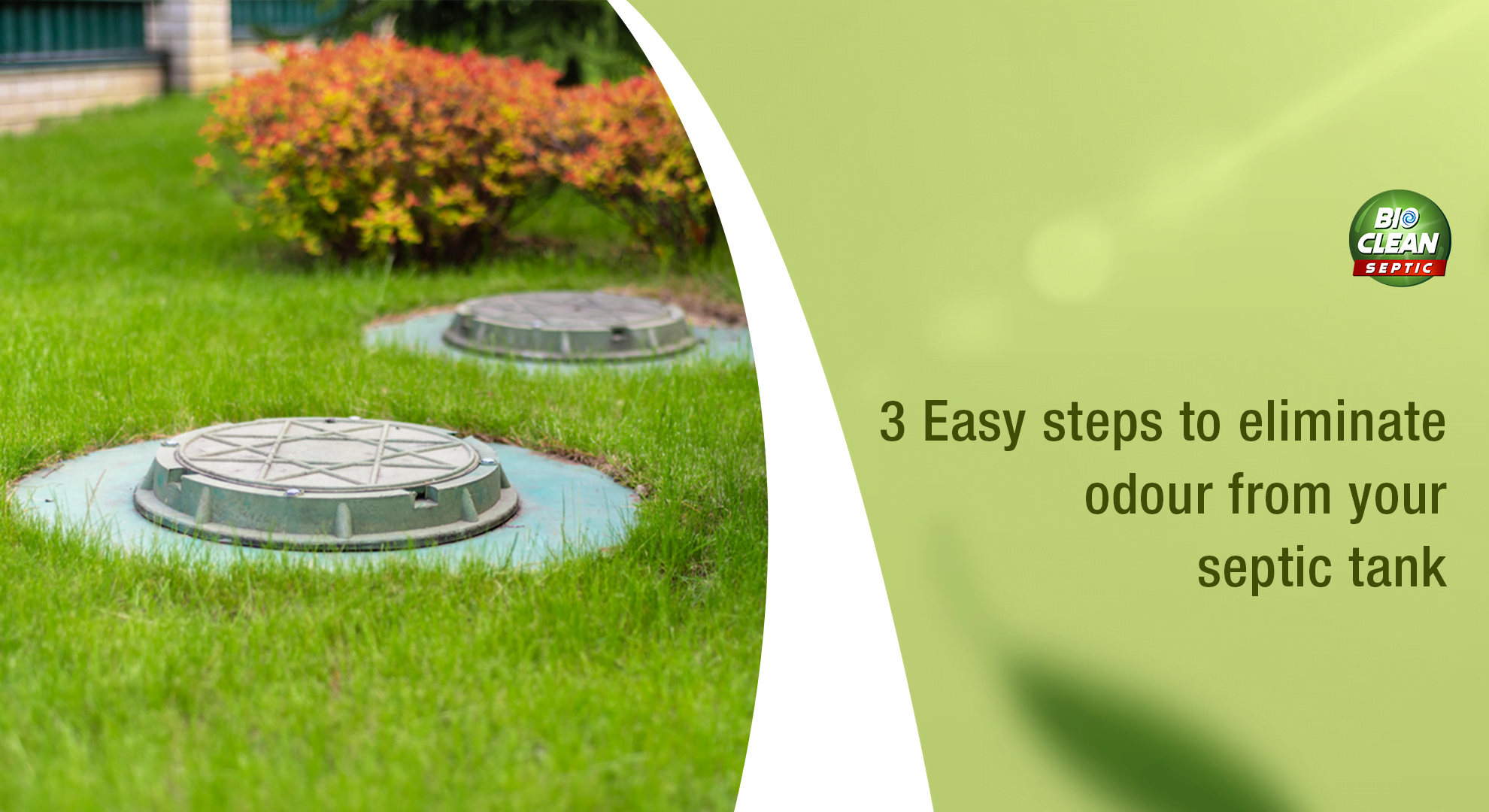
Hey there, fellow homeowner! Ever gotten a whiff of something… shall we say, "unpleasant" wafting from your backyard? Yeah, that's the dreaded septic tank odor, and let me tell you, it's not exactly a welcome guest at your next barbecue. But fear not! While it might seem like a big stinky problem, it’s actually quite manageable with a little knowledge and some strategic adjustments.
Think of your septic system like a mini-ecosystem. It's got a tank where the waste goes, a drain field where the treated wastewater goes, and a whole bunch of bacteria working hard to break everything down. But like any ecosystem, it needs to be balanced and taken care of to function properly. If things get out of whack, well, that's when the stink starts to seep out.
So how do you stop your septic system from turning into a smelly mess? Let's dive into the nitty-gritty of smart system adjustments that can banish the odor and keep your backyard smelling fresh as a daisy.
First Things First: Understand the Source of the Smell
Before we get into the solutions, let's try to figure out what's causing the stink in the first place.
The Septic Tank Itself: The culprit could be a buildup of sludge at the bottom of the tank. This sludge is essentially the partially digested waste, and when it gets too thick, it can start to release those unpleasant smells.
The Drain Field: If your drain field is clogged or overloaded, wastewater might not be draining properly, leading to backups and odor problems.
Your Plumbing: Leaky pipes or a clogged vent stack can also contribute to septic tank odors by allowing sewer gases to escape.
Smart Adjustments for a Smeller-Free Septic System:
Okay, now that we understand the potential culprits, let's look at some easy-to-implement adjustments:
1. Regular Pumping and Maintenance:
Just like your car needs an oil change, your septic tank needs regular pumping. This removes the sludge buildup that can lead to odor problems.
The Pumping Schedule: Most septic tanks need to be pumped every 3-5 years, but it depends on the size of your tank and how many people live in your home. It's always best to consult a professional to determine the ideal pumping schedule for your system.
Don't Forget About the Lid! Make sure the lid of your septic tank is tightly sealed to prevent odors from escaping.
2. Minimize Garbage Disposal Use:
Those fancy garbage disposals might seem convenient, but they can add a lot of extra waste to your septic system, putting a strain on the bacteria and potentially leading to odor problems.
Think Twice Before Grinding: Try to compost food scraps instead of sending them down the drain. This helps reduce the amount of waste entering your septic system and keeps things flowing smoothly.
Use the Garbage Disposal Sparingly: If you do use your garbage disposal, run cold water while you grind to flush the waste down more efficiently.
3. Water Usage and Toilet Habits:
Did you know your toilet habits can affect your septic system? Using less water can actually improve its efficiency and reduce odor problems.
Flush Smartly: Choose low-flow toilets or use the "half-flush" option whenever possible. Every little bit helps!
Limit Water Usage: Be mindful of your water usage, especially when it comes to showers and dishwashing. Smaller loads of laundry and shorter showers all make a difference.
Avoid Flushing Non-Biodegradables: Never flush things like diapers, sanitary napkins, or wipes. These items can clog your system and cause all sorts of issues.
4. Maintain Your Drain Field:
A healthy drain field is essential for efficient wastewater treatment and odor prevention.
No Heavy Traffic: Keep heavy vehicles and equipment off your drain field. This helps prevent compaction and damage.
Plant Strategically: Avoid planting trees or shrubs with deep roots near your drain field. Their roots can penetrate the system and cause disruptions.
Don't Overwater: Avoid overwatering your lawn or garden, especially near the drain field. Too much water can overwhelm the system and lead to backups.
5. Check Your Plumbing:
Don't forget to keep an eye on your plumbing! Leaks and blockages can create pathways for sewer gases to escape into your home.
Inspect Regularly: Regularly inspect your pipes for leaks or signs of damage.
Get Professional Help: If you suspect a plumbing issue, don't hesitate to call a professional plumber.
6. Consider Using Septic Tank Additives:
Septic tank additives are designed to boost the activity of the bacteria in your tank, helping break down waste more efficiently.
Do Your Research: There are many different types of septic tank additives on the market, so choose one that's specifically designed for your system.
Follow Instructions Carefully: Use additives according to the manufacturer's instructions. Using too much can actually harm the bacteria in your tank.
7. Don't Forget About the Vent Stack:
Your septic vent stack, the pipe that vents sewer gases to the roof, is crucial for preventing pressure buildup and odor problems.
Inspect Regularly: Check the vent stack for blockages or damage.
Keep It Clear: Remove any debris that may be clogging the vent stack.
Pro Tip: Listen to the Sounds of Your System
Not just your nose but your ears can help! Listen for unusual gurgling noises from your drains or toilets. These could be signs of a clog or a backup that might lead to odor problems.
Call in the Professionals:
Remember, if you're dealing with persistent septic tank odors or are unsure about any aspect of your system, it's always best to call a professional septic tank service. They have the expertise to diagnose any issues and recommend the best solutions for your specific situation.
Living Odor-Free:
With a little care and attention, you can keep your septic system in tip-top shape and avoid those pesky odors. It's all about understanding the workings of your system, making some strategic adjustments to your habits, and ensuring regular maintenance. So, take a deep breath and enjoy a fresh, odor-free backyard!

No comments:
Post a Comment
Note: Only a member of this blog may post a comment.