Tuesday, November 12, 2024
How to Handle and Treat Septic Tank Smell Problems
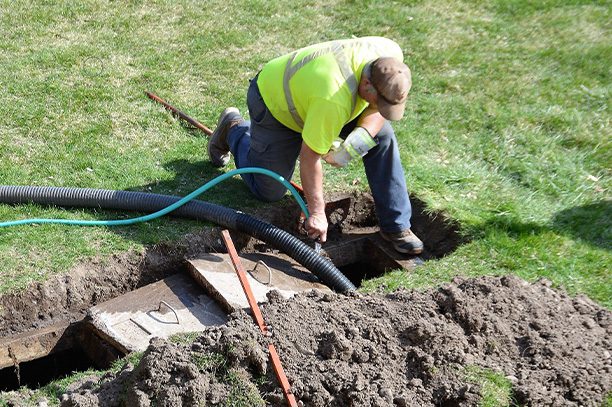
Let's face it, nobody wants to deal with a stinky septic system. It's like having a permanent guest with bad breath hanging out in your backyard. But before you call in the hazmat team, don't despair! There are tons of things you can do to tackle that septic tank smell and reclaim your fresh-air rights.
First things first: sniff out the source. Is the smell coming from your actual septic tank, or maybe a drain field? If you can pinpoint the exact location, it'll help you figure out the best approach. And hey, let's be honest, if you're that brave to go sniffing around, you're already a pro in my book!
Now, let's dive into the possible culprits and solutions:
1. The "I'm-Full-and-Overflowing" Scenario:
Think of your septic tank as a hungry monster that needs to be fed regularly. If it's constantly stuffed with waste, it'll start getting grumpy and letting out that tell-tale stench. Here's what you can do:
Pump it! A regular septic tank pumping is your best friend. Aim for a pumping every 3-5 years, or sooner if you have a large family or a lot of water usage. A professional can handle the dirty work and ensure your tank stays in tip-top shape.
Less is More: Be mindful of what goes down your drains. Avoid flushing anything other than human waste and toilet paper. Those "flushable" wipes? They're more trouble than they're worth and can clog your system. Same goes for coffee grounds, grease, and even excessive amounts of paper products. Treat your system like a delicate ecosystem, and it'll reward you with fresh air.
2. The "My-Drains-are-Clogged" Mystery:
Sometimes, a clogged drain or a blockage in your septic system can be the culprit. A slow-moving drain in the house can act like a dam, trapping waste and causing a backup. If you suspect a clog, try these:
The Snake It!: A drain snake can be your hero. It's a flexible, cable-like tool that you can feed into your drain to break up clogs and clear blockages. You can rent one at your local hardware store.
The Baking Soda and Vinegar Combo: For milder clogs, try pouring a cup of baking soda down the drain followed by a cup of vinegar. Let it fizz for 30 minutes and then flush with hot water. It's a simple and often effective solution.
The Enzyme Power: Septic tank treatments with enzymes can help break down solids and reduce odor. These products are available at most hardware stores and can be a good preventative measure.
3. The "I'm-Missing-a-Lid" Issue:
Sounds silly, but a missing or damaged lid on your septic tank can lead to odor problems. The lid prevents gases from escaping, so if it's compromised, it's like leaving the door open to a sewer. Time to call in a professional to get that lid fixed or replaced!
4. The "My-Drain-Field-is-Failing" Dilemma:
Your drain field is the unsung hero of your septic system. It's a network of underground pipes that filters wastewater and releases it back into the soil. If the drain field is overloaded, damaged, or poorly designed, it can cause odors.
Get a Professional Checkup: A licensed septic contractor can inspect your drain field and identify any issues. They might recommend repairs, upgrades, or even a complete replacement.
Keep it Healthy: Avoid parking cars or heavy equipment on your drain field. Avoid planting trees or landscaping that can disrupt the soil structure. These simple steps can help keep your drain field happy and odor-free.
5. The "I-Just-Need-a-Little-Fresh-Air" Solution:
Sometimes, all you need is a good ol' fashioned air freshener. Don't be afraid to use it! Place air fresheners near the vent pipe to mask any unpleasant odors.
Bonus Tip: Don't overlook the power of good ventilation! Ensure your home has adequate ventilation, especially in bathrooms and kitchens. An exhaust fan can make a big difference in keeping the air fresh and preventing odors from accumulating.
Remember: Taking preventative measures is key to keeping your septic system happy and your nose happy! Regular maintenance and proper care can save you from major headaches and potential issues in the future. If you ever have any doubts, call a licensed septic professional for advice and assistance. They're the experts, and they're there to help!

No comments:
Post a Comment
Note: Only a member of this blog may post a comment.