Wednesday, November 13, 2024
New Septic Tank Smells in the Yard: What Are the Causes?
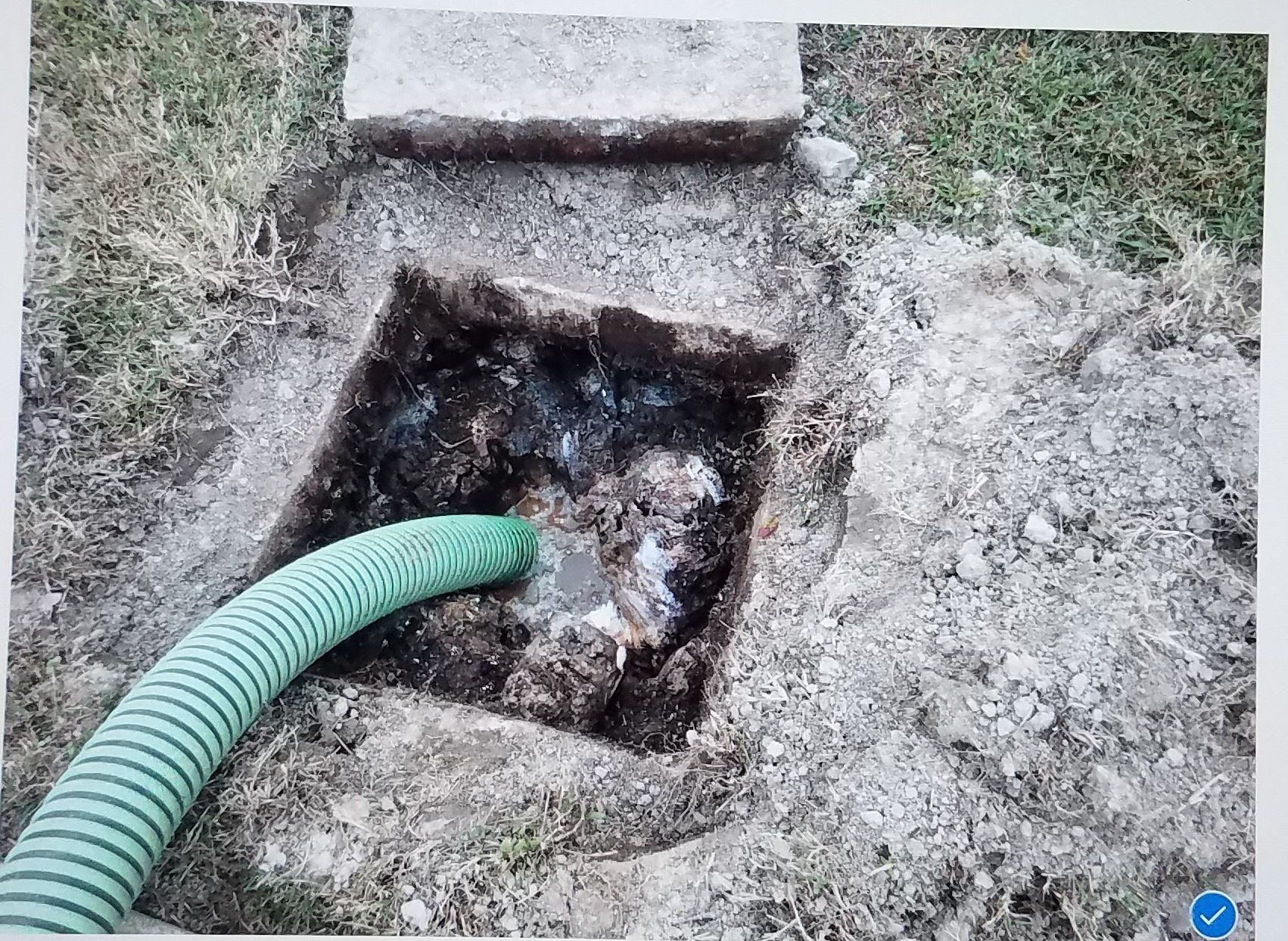
New Septic Tank Smells in the Yard: What Are the Causes?
A new septic tank is supposed to be a clean and efficient solution for wastewater management. However, sometimes, even a newly installed system can emit unpleasant odors into your yard, leaving you wondering what's going on. If you're dealing with a smelly septic tank, don't panic! Understanding the potential causes and implementing appropriate solutions can eliminate the issue quickly.
Common Causes of Septic Tank Odors
The source of a septic tank odor often lies in the tank itself, the drain field, or the vent pipe. Here are some of the most common reasons why your new septic tank might be smelling:
Improper Installation
A new septic tank system needs a meticulous installation process. If the tank isn't properly positioned, leveled, or connected, it can lead to a variety of issues, including odor problems. A slight misalignment can cause the tank to tilt, disrupting the natural flow of wastewater and creating a buildup of solids that can decompose and produce foul smells.
Insufficient Septic Tank Size
If your septic tank is too small for the amount of wastewater your household generates, it can quickly become overloaded. The system might not have enough space to efficiently process the waste, leading to backups and unpleasant odors. A professional septic tank installer can help you determine the appropriate size based on your household's size and wastewater usage.
Clogged Vent Pipe
The vent pipe is crucial for maintaining proper air circulation within the septic tank and drain field. A clogged vent pipe can prevent the release of gases and odors, forcing them to escape through other openings, such as the drain field or around the tank lid. Regular inspections and cleaning of the vent pipe are essential to prevent clogs.
Problems with the Drain Field
The drain field is responsible for filtering the treated wastewater before it's released back into the environment. If the drain field is malfunctioning due to clogging, soil compaction, or insufficient drainage, wastewater can back up and release unpleasant odors into your yard.
What to Do About Septic Tank Odors
Once you've identified the possible cause of the odor, you can take steps to resolve the problem. Here's a breakdown of actions you can take:
Contact a Septic System Professional
Don't try to tackle a complex septic tank problem yourself. A professional septic system inspector can diagnose the issue and provide the most effective solution. They'll use specialized equipment to inspect the tank, drain field, and vent pipe to identify any underlying problems that might be causing the odor.
Maintain Your Septic System
Proper maintenance can prevent odor problems and extend the lifespan of your septic system. Here's what you can do to maintain your system:
- Pump the tank regularly: Schedule regular septic tank pumping services to prevent the accumulation of solids that can lead to odor problems.
- Avoid overloading the system: Use water wisely and avoid dumping large quantities of grease, oils, and other hazardous materials down the drain.
- Inspect the vent pipe: Make sure the vent pipe is clear and free of blockages.
- Keep the drain field clear: Avoid driving or parking vehicles on the drain field area.
By following these tips and working with a qualified septic system professional, you can eliminate the unpleasant odors from your new septic tank and ensure its long-term efficiency.

No comments:
Post a Comment
Note: Only a member of this blog may post a comment.