Tuesday, November 12, 2024
Best Methods to Eliminate Septic Tank Odors in Your Yard
Banishing Septic Tank Odors From Your Yard
No one wants to be greeted by the unpleasant aroma of a malfunctioning septic system when they step outside. Septic tank odors can be embarrassing, and worse, indicate a problem that needs attention. The good news is that with a few proactive measures, you can banish these pesky odors and enjoy your yard without any olfactory distractions.
Understanding the Source
Before tackling the problem, it's essential to understand where the odor is coming from. Septic tank odors usually originate from:
- Improperly sealed lids or vents: Cracks or gaps in your septic tank lid or vent pipe can allow gases to escape.
- Overloaded system: When your tank is full, it can't process waste efficiently, causing odors to surface.
- Failing leach field: A damaged or clogged leach field can't adequately filter wastewater, allowing odor-causing bacteria to escape.
- Tree roots: Intrusive tree roots can damage pipes and compromise the system's integrity.
Effective Odor Elimination Strategies
Once you have a good grasp of the potential source, you can take steps to combat the odor. Here's a breakdown of effective methods:
1. Seal and Repair
Start by thoroughly inspecting your septic tank lid and vent pipe. If you find any cracks or gaps, seal them with a high-quality sealant designed for septic systems. If the vent pipe is damaged, call a professional plumber to repair it.
2. Maintain Regular Pumping
Regularly pumping your septic tank is crucial to prevent overloads. Most systems need to be pumped every 3-5 years. Your local septic service provider can advise you on the appropriate pumping schedule for your specific system.
3. Boost Bacteria Activity
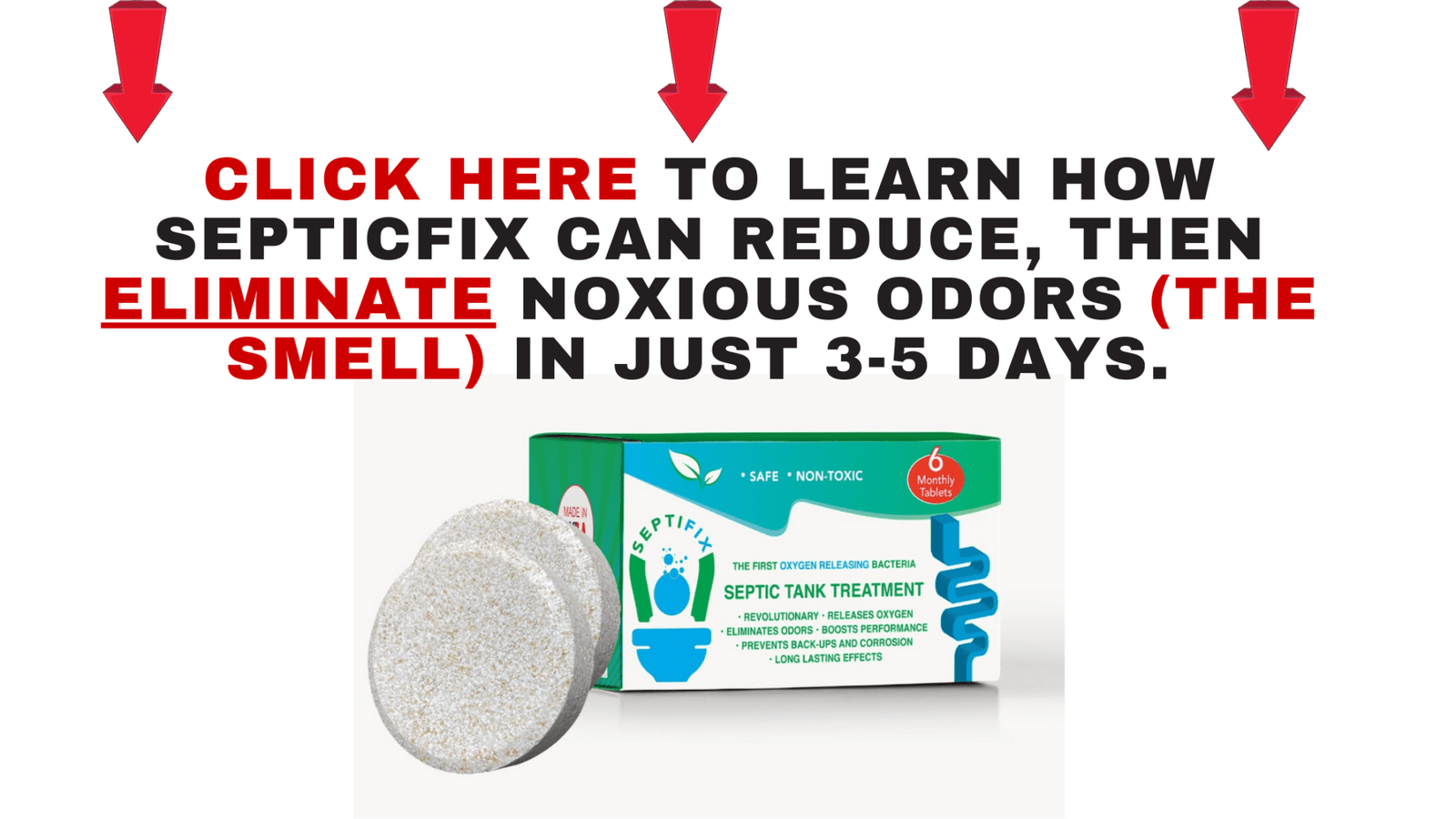
Adding beneficial bacteria to your septic tank can break down waste more efficiently, reducing odor production. These bacteria are available in various forms, such as tablets, powders, and liquid solutions. Follow the instructions carefully for optimal results.
4. Address Leach Field Issues
If you suspect your leach field is failing, contact a professional. They can assess the situation and recommend appropriate solutions, which might include:
- Repairing damaged pipes: If pipes are cracked or leaking, they need repair.
- Replacing the leach field: In severe cases, a complete replacement of the leach field may be necessary.
5. Manage Tree Roots
Keep trees and shrubs away from your septic system to prevent root intrusion. If roots are already present, a professional can address the issue. Regularly monitoring for tree roots and addressing them promptly can save you headaches in the long run.
When to Call a Professional
While these home remedies can often address the problem, some situations require professional intervention. Contact a qualified septic service provider if you notice:
- Persistent odors: If the smell persists despite your efforts, you may have a more significant issue.
- Gurgling sounds in the pipes: This could indicate a blockage or drainage problem.
- Sewage backup in your home: This is a serious issue that requires immediate attention.
Preventative Measures
Preventing odors in the first place is always preferable. Adopt these habits to keep your septic system running smoothly:
- Avoid pouring grease and oil down the drain: These substances can solidify in your pipes and cause blockages.
- Use less toilet paper: Excess paper can overload your septic system. Opt for biodegradable options whenever possible.
- Limit flushing harsh chemicals: Bleach, disinfectants, and other strong chemicals can kill beneficial bacteria in your septic tank.
By taking the necessary steps, you can conquer septic tank odors and enjoy a clean, fresh-smelling yard. Remember, proper maintenance is key to keeping your septic system functioning efficiently and odor-free.

No comments:
Post a Comment
Note: Only a member of this blog may post a comment.