Saturday, November 16, 2024
How to Fix Septic Tank Odors That Appear After Rain
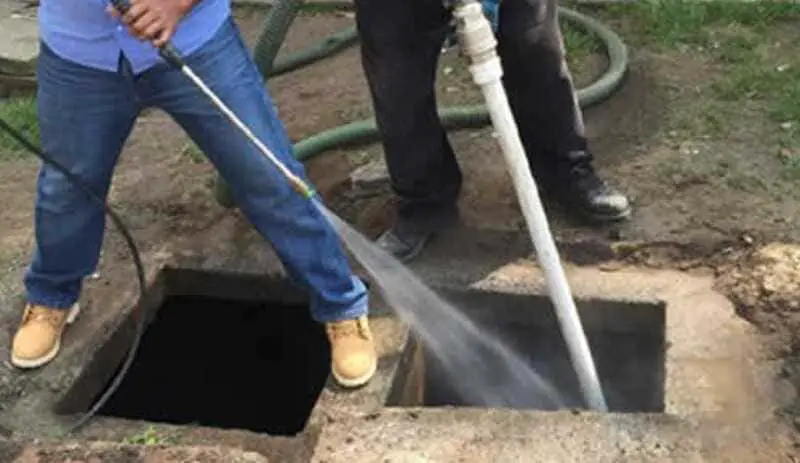
Tackling Septic Tank Odors After Rain: A Comprehensive Guide
A refreshing rainstorm can bring a welcome change to your landscape, but sometimes it's followed by an unwelcome surprise: a pungent septic tank odor. This unpleasant aroma can be a source of embarrassment and concern, but don't worry, it's a common issue with a few possible causes and solutions. Let's delve into the reasons behind this post-rain odor and explore the steps you can take to banish it for good.
The Culprits Behind Post-Rain Septic Odors
The culprits behind this unpleasant odor usually stem from a disruption in the delicate balance of your septic system. Here are the most common reasons why your septic tank may start smelling after rain:
1. Overwhelmed System
Heavy rainfall can overtax your septic system. When the ground becomes saturated, it slows down the drainage of wastewater from your septic tank to the drain field. This can lead to a buildup of liquid in the tank, causing it to overflow and release odors through vent pipes or cracks in the system.
2. Leaky Septic Tank or Drain Field
A cracked or leaking septic tank or drain field can allow wastewater to escape into the surrounding soil. The rain can wash these escaped fluids back to the surface, causing an odor.
3. Clogged Vents
Your septic system has vents that allow gases to escape. If these vents are clogged with debris or become blocked by excess rain, the pressure inside the system can build up, forcing the odor out through other openings.
4. Septic Tank Overload
Even without heavy rain, your septic tank might be overloaded, causing a buildup of solids. A full tank can release odor as it struggles to process waste.
Eliminating Septic Tank Odors After Rain
Now that you understand the potential causes, let's tackle those odors with these practical solutions:
1. Check the Vent Pipes
Start by inspecting your septic tank vents. Look for any visible blockages like leaves, debris, or nests. Clear away any obstructions and make sure the vents are open and unobstructed.
2. Reduce Water Usage
To prevent overloading your septic system, reduce water usage during and after heavy rainfall. This could include taking shorter showers, delaying laundry loads, and avoiding unnecessary water usage in the garden.
3. Maintain Your System Regularly
Regular maintenance is key to preventing septic tank odor issues. Schedule professional septic tank pumping every 3-5 years, or as recommended by your local regulations. Pumping removes accumulated solids and ensures optimal system performance.
4. Address Leaks
If you suspect leaks, call a qualified septic system professional for an inspection. They can locate any cracks or leaks in the tank or drain field and provide necessary repairs.
5. Deodorize the Area
To temporarily mask the odor, try using a commercial septic tank odor neutralizer or natural solutions like baking soda or vinegar. Sprinkle baking soda in the drains, or pour a cup of vinegar followed by a cup of boiling water. These remedies can help eliminate odor temporarily.
Preventing Future Odors
To avoid those unpleasant smells in the future, consider these preventive measures:
By following these recommendations, you can effectively manage and prevent septic tank odors from ruining your enjoyment of your home, even after a downpour.

No comments:
Post a Comment
Note: Only a member of this blog may post a comment.