Tuesday, November 12, 2024
Removing Septic Tank Odors from Your Outdoor Space
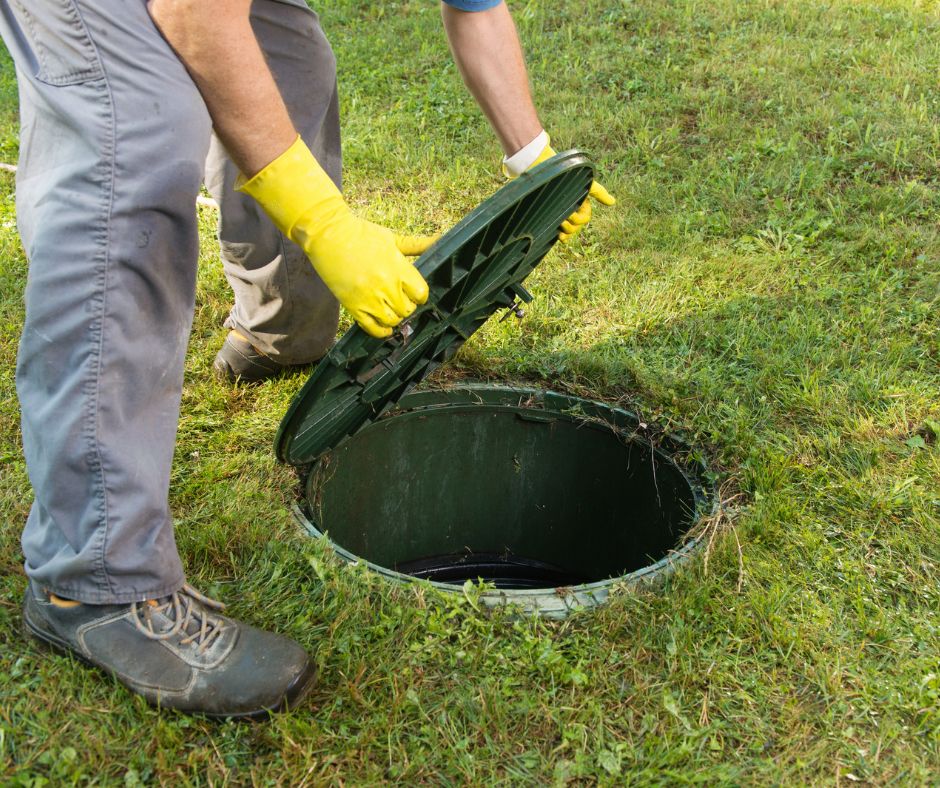
Removing Septic Tank Odors from Your Outdoor Space
The presence of septic tank odors in your outdoor space can be an unpleasant and embarrassing experience. Not only is it an olfactory nuisance, but it can also be a sign of underlying septic system issues. This article provides a comprehensive guide to understanding the causes of septic tank odors, and offers effective solutions for eliminating them and ensuring a fresh and enjoyable outdoor environment.
Understanding the Source of the Odor
Septic tank odors are typically caused by the release of hydrogen sulfide gas (H2S), a byproduct of the breakdown of organic matter in the septic tank. This gas is characterized by its distinctive rotten egg smell and can permeate the surrounding air. The release of H2S can occur for several reasons:
Overfilling of the Septic Tank
When the septic tank becomes overly full, it can lead to a buildup of solids and a reduction in the available space for liquid waste. This can cause the solids to decompose more rapidly, producing more H2S gas and increasing the likelihood of odor release.
Faulty Septic System Components
Problems with the septic system components, such as the drain field, leach field, or distribution box, can allow sewage to back up and release odors into the surrounding environment. This may be due to clogging, leaks, or other malfunctions.
Poor Ventilation
Inadequate ventilation of the septic tank can create a vacuum that pulls H2S gas into the surrounding air, contributing to odor problems. This is especially prevalent in areas with limited air circulation.
Improper Septic Tank Maintenance
Regular maintenance, including pumping and inspecting the septic tank, is crucial to prevent odor issues. Neglecting these tasks can lead to an accumulation of waste, creating a breeding ground for odor-producing bacteria.
Addressing Septic Tank Odors: Effective Solutions
Once you have identified the source of the odor, you can take steps to eliminate it and prevent its recurrence. Here are some effective solutions:
Pumping the Septic Tank
The most common and effective solution for septic tank odor problems is to pump out the tank. This removes accumulated waste and reduces the likelihood of gas production. It is recommended to pump your septic tank every 2-3 years or as needed, based on your usage and the tank's capacity.
Inspecting and Repairing Septic System Components
A thorough inspection of all septic system components is essential to identify and address any leaks, clogs, or other malfunctions. This may involve:
- Checking for leaks in the septic tank, drain field, leach field, and distribution box.
- Inspecting the drain field for signs of clogging, such as standing water or slow drainage.
- Evaluating the distribution box for any blockage or damage.
Any identified problems should be promptly repaired by a qualified septic system professional.
Improving Ventilation
Ensure adequate ventilation of the septic tank by:
- Checking the existing vent pipe and making sure it is free of obstructions.
- Adding a vent fan to improve air circulation and prevent pressure buildup.
- Planting trees or shrubs strategically to create windbreaks and promote air movement.
Using Septic Tank Odor Neutralizers
Septic tank odor neutralizers are products designed to absorb or neutralize H2S gas and other unpleasant odors. These products typically contain bacteria or enzymes that break down waste and reduce odor production. They are available in liquid, powder, and tablet forms and can be added to the septic tank or poured down the drain.
Adding Bioaugmentation Products
Bioaugmentation products contain beneficial bacteria and enzymes that promote the breakdown of organic matter in the septic tank. These products can help to improve the overall efficiency of the septic system, reducing odor production and promoting proper waste decomposition.
Maintaining Proper Septic Tank Usage
Adopting proper septic tank usage practices can help to minimize odor production and prevent system issues. These practices include:
- Avoid flushing non-biodegradable items down the toilet, such as wipes, paper towels, and feminine hygiene products.
- Use biodegradable detergents and cleaning products.
- Limit the amount of water used for laundry and dishwashing.
- Avoid using excessive amounts of water at one time, such as during showering or bathing.
Preventing Recurrence of Septic Tank Odors
Once you have addressed the odor problem, it is essential to take preventative measures to prevent its recurrence. These measures include:
Regular Septic Tank Maintenance
Schedule regular septic tank pumping and inspections to maintain the system's optimal performance. The frequency of pumping will depend on the size of the tank, the number of occupants, and the amount of water usage.
Monitor Septic System Components
Regularly inspect the drain field, leach field, and distribution box for any signs of damage, blockage, or malfunction. If any issues are found, address them promptly to prevent further problems.
Educate Household Members
Educate all household members about proper septic tank usage practices to minimize the risk of system issues and odor problems.
Conclusion
Septic tank odors can be a nuisance, but they are often a sign of a larger underlying issue. By understanding the causes of these odors and implementing appropriate solutions, you can eliminate the smell and ensure a fresh and pleasant outdoor environment. Regular maintenance, proper usage, and prompt attention to any signs of problems are crucial for preventing septic tank odors and maintaining the health of your septic system.

No comments:
Post a Comment
Note: Only a member of this blog may post a comment.