Tuesday, November 12, 2024
Step-by-Step DIY Guide to Removing Septic Tank Smells

Goodbye, Septic Tank Smell: A DIY Guide to Eradicating That Funky Odor
Okay, so you've got a septic system. It's a great way to handle wastewater, but let's be honest, sometimes it can leave a little something to be desired in the aroma department. That pungent, earthy scent that seems to linger around your home can be a real downer. But don't despair! You can conquer those pesky smells with some simple DIY solutions.Understanding the Source of the Stench
First things first, let's figure out where those bad odors are coming from. Most often, the culprit is a leaky septic tank or drain field.Think of your septic system like a mini-ecosystem. Waste goes in, bacteria break it down, and then the filtered water drains out. But if something's not quite right, like a crack in the tank or a clogged drain field, those lovely bacteria can escape and release their pungent signature.
Troubleshooting: When the Smell is Really Bad
If the smell is particularly strong, it might be a sign of a bigger problem. Here are a few red flags to watch for:
- Sudden, intense smell: This could indicate a major leak in the tank or drain field.
- Smell in unusual places: If the odor is coming from areas outside the usual suspects (like the bathroom or laundry room), it might be a sign of a more widespread issue.
- Slow draining: Sluggish drains can mean your drain field is backing up, a sure sign that something needs attention.
If you notice any of these signs, call a professional septic service ASAP. It's better to nip a problem in the bud before it becomes a major headache (and smelly mess!).
DIY Deodorizing: Simple Solutions for Everyday Smells
Alright, now that we've tackled the big issues, let's focus on the everyday odors. You don't need a fancy plumbing crew for this! Here's what you can do:1. The Power of Baking Soda
Baking soda is a true hero in the battle against odors. It's a natural deodorizer and it's readily available in your kitchen. Here's how to use it:
- Sprinkle it around: Sprinkle some baking soda into the drains in your bathroom, kitchen, and laundry room. It'll absorb those nasty odors and freshen things up.
- Make a paste: Mix baking soda with water to create a paste. Apply this paste to stubborn stains or areas where the smell is concentrated. Let it sit for a few minutes, then scrub it away.
2. The Magic of Vinegar
Vinegar is another superstar in the odor-fighting game. It's a natural disinfectant and it can help neutralize those funky smells.
- Vinegar rinse: Pour a cup of white vinegar down your drains and let it sit for 15 minutes. This will help clean and deodorize the pipes.
- Vinegar spray: Mix equal parts white vinegar and water in a spray bottle. Use this solution to spray down surfaces and fabrics where odors are lingering.
3. The Power of Plants
Nature is on your side! Certain plants are known for their odor-absorbing abilities.
- Spider plants: These are easy to grow and can help neutralize odors, especially in areas like the bathroom.
- Snake plants: These resilient plants are great at cleaning the air and absorbing odors.
- Peace lilies: These beauties not only look stunning but also excel at removing volatile organic compounds (VOCs) from the air, including some of the smelly culprits that emanate from septic systems.
4. The Importance of Good Ventilation
Don't underestimate the power of good ventilation! Open your windows, turn on your fans, and let the fresh air flow through your home.
5. A Final Note About Drain Maintenance
For the best defense against septic tank smells, it's important to keep your drains clean and free of clogs. Regularly use a drain cleaner (check that it's safe for your septic system) to prevent build-up.
Don't Let the Smell Win!
Living with a septic system doesn't have to mean living with offensive smells. By understanding the source of the odor, using simple DIY solutions, and being proactive with your drain maintenance, you can create a fresh and comfortable environment in your home. Now go get rid of that stinky smell for good!

Best Methods to Eliminate Septic Tank Odors in Your Yard
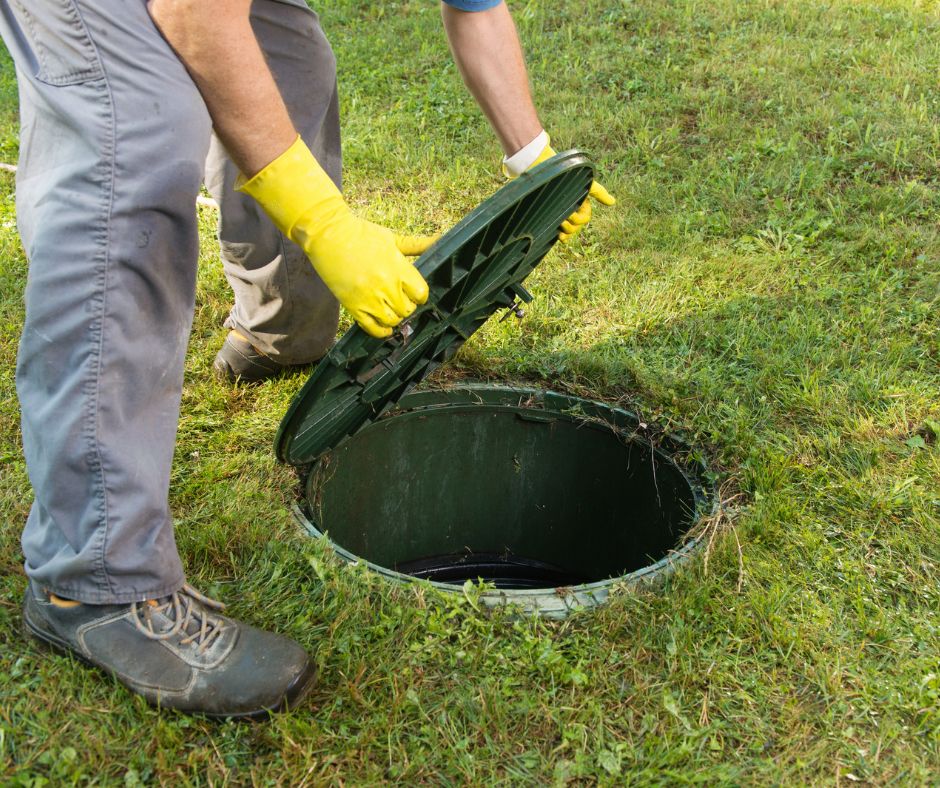
Banishing Septic Tank Odors From Your Yard
No one wants to be greeted by the unpleasant aroma of a malfunctioning septic system when they step outside. Septic tank odors can be embarrassing, and worse, indicate a problem that needs attention. The good news is that with a few proactive measures, you can banish these pesky odors and enjoy your yard without any olfactory distractions.
Understanding the Source
Before tackling the problem, it's essential to understand where the odor is coming from. Septic tank odors usually originate from:
- Improperly sealed lids or vents: Cracks or gaps in your septic tank lid or vent pipe can allow gases to escape.
- Overloaded system: When your tank is full, it can't process waste efficiently, causing odors to surface.
- Failing leach field: A damaged or clogged leach field can't adequately filter wastewater, allowing odor-causing bacteria to escape.
- Tree roots: Intrusive tree roots can damage pipes and compromise the system's integrity.
Effective Odor Elimination Strategies
Once you have a good grasp of the potential source, you can take steps to combat the odor. Here's a breakdown of effective methods:
1. Seal and Repair
Start by thoroughly inspecting your septic tank lid and vent pipe. If you find any cracks or gaps, seal them with a high-quality sealant designed for septic systems. If the vent pipe is damaged, call a professional plumber to repair it.
2. Maintain Regular Pumping
Regularly pumping your septic tank is crucial to prevent overloads. Most systems need to be pumped every 3-5 years. Your local septic service provider can advise you on the appropriate pumping schedule for your specific system.
3. Boost Bacteria Activity
Adding beneficial bacteria to your septic tank can break down waste more efficiently, reducing odor production. These bacteria are available in various forms, such as tablets, powders, and liquid solutions. Follow the instructions carefully for optimal results.
4. Address Leach Field Issues
If you suspect your leach field is failing, contact a professional. They can assess the situation and recommend appropriate solutions, which might include:
- Repairing damaged pipes: If pipes are cracked or leaking, they need repair.
- Replacing the leach field: In severe cases, a complete replacement of the leach field may be necessary.
5. Manage Tree Roots
Keep trees and shrubs away from your septic system to prevent root intrusion. If roots are already present, a professional can address the issue. Regularly monitoring for tree roots and addressing them promptly can save you headaches in the long run.
When to Call a Professional
While these home remedies can often address the problem, some situations require professional intervention. Contact a qualified septic service provider if you notice:
- Persistent odors: If the smell persists despite your efforts, you may have a more significant issue.
- Gurgling sounds in the pipes: This could indicate a blockage or drainage problem.
- Sewage backup in your home: This is a serious issue that requires immediate attention.
Preventative Measures
Preventing odors in the first place is always preferable. Adopt these habits to keep your septic system running smoothly:
- Avoid pouring grease and oil down the drain: These substances can solidify in your pipes and cause blockages.
- Use less toilet paper: Excess paper can overload your septic system. Opt for biodegradable options whenever possible.
- Limit flushing harsh chemicals: Bleach, disinfectants, and other strong chemicals can kill beneficial bacteria in your septic tank.
By taking the necessary steps, you can conquer septic tank odors and enjoy a clean, fresh-smelling yard. Remember, proper maintenance is key to keeping your septic system functioning efficiently and odor-free.
Removing Septic Tank Odors from Your Outdoor Space
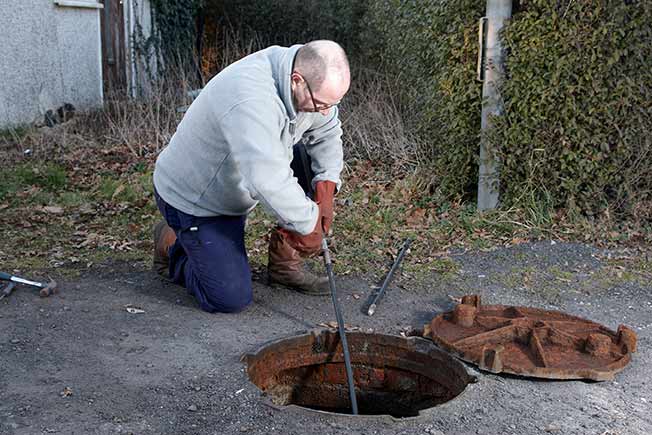
Removing Septic Tank Odors from Your Outdoor Space
The presence of septic tank odors in your outdoor space can be an unpleasant and embarrassing experience. Not only is it an olfactory nuisance, but it can also be a sign of underlying septic system issues. This article provides a comprehensive guide to understanding the causes of septic tank odors, and offers effective solutions for eliminating them and ensuring a fresh and enjoyable outdoor environment.
Understanding the Source of the Odor
Septic tank odors are typically caused by the release of hydrogen sulfide gas (H2S), a byproduct of the breakdown of organic matter in the septic tank. This gas is characterized by its distinctive rotten egg smell and can permeate the surrounding air. The release of H2S can occur for several reasons:
Overfilling of the Septic Tank
When the septic tank becomes overly full, it can lead to a buildup of solids and a reduction in the available space for liquid waste. This can cause the solids to decompose more rapidly, producing more H2S gas and increasing the likelihood of odor release.
Faulty Septic System Components
Problems with the septic system components, such as the drain field, leach field, or distribution box, can allow sewage to back up and release odors into the surrounding environment. This may be due to clogging, leaks, or other malfunctions.
Poor Ventilation
Inadequate ventilation of the septic tank can create a vacuum that pulls H2S gas into the surrounding air, contributing to odor problems. This is especially prevalent in areas with limited air circulation.
Improper Septic Tank Maintenance
Regular maintenance, including pumping and inspecting the septic tank, is crucial to prevent odor issues. Neglecting these tasks can lead to an accumulation of waste, creating a breeding ground for odor-producing bacteria.
Addressing Septic Tank Odors: Effective Solutions
Once you have identified the source of the odor, you can take steps to eliminate it and prevent its recurrence. Here are some effective solutions:
Pumping the Septic Tank
The most common and effective solution for septic tank odor problems is to pump out the tank. This removes accumulated waste and reduces the likelihood of gas production. It is recommended to pump your septic tank every 2-3 years or as needed, based on your usage and the tank's capacity.
Inspecting and Repairing Septic System Components
A thorough inspection of all septic system components is essential to identify and address any leaks, clogs, or other malfunctions. This may involve:
- Checking for leaks in the septic tank, drain field, leach field, and distribution box.
- Inspecting the drain field for signs of clogging, such as standing water or slow drainage.
- Evaluating the distribution box for any blockage or damage.
Any identified problems should be promptly repaired by a qualified septic system professional.
Improving Ventilation
Ensure adequate ventilation of the septic tank by:
- Checking the existing vent pipe and making sure it is free of obstructions.
- Adding a vent fan to improve air circulation and prevent pressure buildup.
- Planting trees or shrubs strategically to create windbreaks and promote air movement.
Using Septic Tank Odor Neutralizers
Septic tank odor neutralizers are products designed to absorb or neutralize H2S gas and other unpleasant odors. These products typically contain bacteria or enzymes that break down waste and reduce odor production. They are available in liquid, powder, and tablet forms and can be added to the septic tank or poured down the drain.
Adding Bioaugmentation Products
Bioaugmentation products contain beneficial bacteria and enzymes that promote the breakdown of organic matter in the septic tank. These products can help to improve the overall efficiency of the septic system, reducing odor production and promoting proper waste decomposition.
Maintaining Proper Septic Tank Usage
Adopting proper septic tank usage practices can help to minimize odor production and prevent system issues. These practices include:
- Avoid flushing non-biodegradable items down the toilet, such as wipes, paper towels, and feminine hygiene products.
- Use biodegradable detergents and cleaning products.
- Limit the amount of water used for laundry and dishwashing.
- Avoid using excessive amounts of water at one time, such as during showering or bathing.
Preventing Recurrence of Septic Tank Odors
Once you have addressed the odor problem, it is essential to take preventative measures to prevent its recurrence. These measures include:
Regular Septic Tank Maintenance
Schedule regular septic tank pumping and inspections to maintain the system's optimal performance. The frequency of pumping will depend on the size of the tank, the number of occupants, and the amount of water usage.
Monitor Septic System Components
Regularly inspect the drain field, leach field, and distribution box for any signs of damage, blockage, or malfunction. If any issues are found, address them promptly to prevent further problems.
Educate Household Members
Educate all household members about proper septic tank usage practices to minimize the risk of system issues and odor problems.
Conclusion
Septic tank odors can be a nuisance, but they are often a sign of a larger underlying issue. By understanding the causes of these odors and implementing appropriate solutions, you can eliminate the smell and ensure a fresh and pleasant outdoor environment. Regular maintenance, proper usage, and prompt attention to any signs of problems are crucial for preventing septic tank odors and maintaining the health of your septic system.
Tips for Maintaining a Smell-Free Septic Tank
Tips for Maintaining a Smell-Free Septic Tank
Let's face it, no one wants their home smelling like a sewer. And while septic tanks are designed to handle waste effectively, they can sometimes produce unpleasant odors if not properly maintained. But don't worry! Maintaining a smell-free septic tank is totally doable with a few simple habits.
Think of your septic system like a hardworking, yet delicate ecosystem. It's a complex system that relies on a delicate balance of bacteria to break down waste. So, keeping things in tip-top shape means understanding how to keep those bacteria happy and working their magic.
Understanding the Source of Septic Tank Odors
Septic tank odors usually arise when things go wrong. Here are some common culprits:
- Overloading the tank: If you're constantly flushing more than your tank can handle, it can lead to a backup, forcing waste to overflow and create those unwelcome smells.
- Poorly functioning septic system: Sometimes, the problem lies within the tank itself, like a leak or a malfunctioning filter, which can cause waste to escape and produce odors.
- Infiltration of groundwater: If water from the surrounding ground seeps into the tank, it can disrupt the bacterial balance and lead to smells.
- Clogged drain field: The drain field is responsible for filtering the wastewater, and a clog can prevent proper drainage, resulting in backflow and odors.
Preventative Measures for a Smell-Free Septic Tank
Now, let's talk about some practical things you can do to prevent those smelly situations:
Mindful Waste Management
It might sound obvious, but what you put down your drain matters! Here's how you can be more mindful:
- Reduce grease and oil: Don't pour grease down the drain! It solidifies and clogs pipes, which can lead to a backup and a smelly septic system. Use a strainer to catch food scraps and dispose of them in the trash.
- Limit disposable wipes: Even if they say "flushable," those wipes can create havoc in your septic system. They don't break down easily, and they can lead to clogs. Opt for toilet paper instead.
- Go easy on chemicals: Harsh chemicals like bleach, cleaners, and paint thinners can harm the bacteria that keep your septic tank working properly. Use natural cleaners whenever possible.
- Avoid excessive water usage: A full bathtub might seem relaxing, but it also puts a strain on your septic system. Shower instead, and avoid long showers. Try to spread out laundry days to avoid overloading the system.
Regular Maintenance is Key
Just like your car needs regular oil changes, your septic system benefits from some TLC:
- Get your septic tank pumped: Every few years, depending on the size of your tank and how many people live in your home, your tank will need to be pumped out by a professional. This ensures that solid waste is removed and the tank is operating efficiently.
- Inspect the drain field: This is the part of your system that filters the wastewater, and it can get clogged over time. Regular inspections are crucial to prevent overflows and smells.
- Check for leaks: Leaks in the tank or the drain field can lead to smells and contamination. Regular inspections can help catch these problems early.
Other Tips to Keep Odors at Bay
Beyond basic maintenance, there are a few other tricks you can try to eliminate odors:
- Add bacteria: You can buy septic tank additives that contain helpful bacteria that break down waste more efficiently.
- Ventilate properly: Make sure the vent pipe for your septic system is clear and unobstructed. This allows gases to escape safely.
- Use a septic system odor neutralizer: There are products specifically designed to neutralize odors. These are usually added to the tank or poured down the drain.
- Cover up: If you're dealing with a stubborn odor, try placing a bowl of baking soda or vinegar near the source. These can absorb some of the smell.
When to Call a Professional
Sometimes, a DIY approach isn't enough. If you're experiencing persistent odors, or if you suspect a more serious problem, don't hesitate to call a professional septic tank service. They can diagnose the issue and provide a solution.
Wrapping It Up
Maintaining a smell-free septic tank is all about taking a proactive approach. By being mindful of what you flush, performing regular maintenance, and being prepared to call a professional when needed, you can enjoy a fresh-smelling home and a well-functioning septic system.
How to Treat Septic Tank Smell by Adding Septic-Friendly Products
How to Treat Septic Tank Smell by Adding Septic-Friendly Products
A septic tank is a vital part of your home's wastewater system, but when it starts to smell, it's a sign that something is wrong. Septic tank odor can be caused by a variety of factors, including a buildup of solids, a failing leach field, or simply an overloaded system. While a professional inspection is always recommended, there are some septic-friendly products you can add to your tank to help neutralize odors and improve its overall function.
The Importance of Septic Tank Maintenance
Before we dive into septic-friendly products, it's important to emphasize the importance of regular septic tank maintenance. Having your tank pumped every 3-5 years, depending on your household size and usage, prevents the buildup of solids that can lead to odor problems.
Septic-Friendly Products for Odor Control
Septic-friendly products can be a valuable tool in your fight against septic tank odor. They work by breaking down solids, reducing the amount of gas produced, and masking unpleasant smells. Here are some of the most popular options:
Bacteria-Based Products
Bacteria-based products contain beneficial bacteria that break down organic waste and help prevent the buildup of solids. They are generally considered safe for septic systems and can be purchased at most hardware stores.
Enzyme-Based Products
Enzyme-based products work similarly to bacteria-based products but contain enzymes that break down waste more quickly. They are particularly effective at dissolving fats, oils, and grease. You can find enzyme-based products at many home improvement stores.
Odor Neutralizers
Odor neutralizers are not intended to treat the underlying causes of septic tank odor but rather to mask the smell. They work by releasing fragrances that cover up unpleasant odors. While these products can provide temporary relief, they do not address the root of the problem.
Tips for Choosing Septic-Friendly Products
Not all products are created equal. Here are some important tips to keep in mind when choosing septic-friendly products:
Conclusion
Septic tank odor can be a nuisance, but with the right products and proper maintenance, you can keep your system functioning smoothly and smelling fresh. Remember to choose septic-friendly products, read labels carefully, and consult with a professional for any persistent odor issues. By taking care of your septic system, you'll ensure it continues to serve you well for years to come.
How to Prevent Septic Tank Odor by Keeping Your Tank Clean
Let’s face it, nobody enjoys that unmistakable, pungent aroma that sometimes floats from the vicinity of your septic tank. It's a clear sign that something's not quite right down there, and it's a major bummer. But fear not, because we're about to delve into the world of septic tank maintenance and conquer those smelly odors once and for all.
Think of your septic tank like a well-behaved pet. It needs regular care and attention to stay happy and healthy. Just like a dog needs a walk and a bowl of kibble, your septic tank needs regular pumping and a few key habits to keep it running smoothly. So, let's roll up our sleeves and get to work on banishing those nasty smells!
Understanding the Enemy: Where does the smell come from?
That unpleasant odor you're dealing with is actually a byproduct of the breakdown process happening inside your septic tank. The bacteria in your tank diligently work to decompose waste, but this decomposition process releases gases like hydrogen sulfide â€" the culprit behind that rotten egg smell â€" and methane, which is flammable.
The Golden Rule: Pumping is key!
Imagine your septic tank as a giant bucket. If you keep filling it without ever emptying it, it's going to overflow! Same goes for your septic tank. Regular pumping is crucial to prevent the build-up of sludge and scum, which are the breeding grounds for those odor-causing bacteria. Aim to have your tank pumped every 3 to 5 years, depending on the size of your tank and your household size.
Beyond Pumping: Simple Habits for a Smell-Free Life
While regular pumping is the bedrock of septic tank maintenance, there are other everyday habits that can make a big difference in keeping those odors at bay.
Water Wisely: Septic tanks thrive on a steady flow of water. Avoid excessive water usage by taking shorter showers, fixing leaky faucets, and using washing machines and dishwashers efficiently.
Don't Flush the Wrong Things: Your septic tank isn't a garbage disposal. Avoid flushing anything that won't readily decompose, like:
Disposable wipes: Even those labelled "flushable" can cause serious clogs.
Fats, oils, and grease: These substances solidify in your pipes, leading to clogs.
Cigarette butts, coffee grounds, and food scraps: These can overload your tank and lead to odor issues.
Keep Your Drainfield Happy: The drainfield is where the treated wastewater from your septic tank is released into the ground. Avoid planting trees or shrubs near your drainfield, as their roots can disrupt the drainage system.
Use Bioaugmentation Products: These products contain beneficial bacteria that help break down waste more efficiently. They can help minimize odor issues and improve the overall performance of your septic system.
What to Do When the Smell Persists:
Even with diligent maintenance, you might occasionally encounter a foul odor. Don't panic! Here are some troubleshooting steps:
Inspect the System: Check for any leaks or cracks in your pipes or tank.
Check the Vents: Your septic tank has vents to release gases and prevent pressure build-up. Ensure these vents are clear and unobstructed.
Call a Professional: If the smell persists, it's time to call a professional septic tank service. They can pinpoint the problem and recommend the appropriate solution.
Beyond the Smell: Why Septic Tank Maintenance Matters
Septic tank maintenance is more than just about avoiding embarrassing odors. It's about protecting your investment in your home and ensuring a healthy environment for your family. A well-maintained septic system:
Protects your health: It prevents the spread of harmful bacteria and pathogens.
Saves you money: Regular maintenance can prevent costly repairs or replacements.
Protects the environment: A properly functioning septic system ensures wastewater is treated effectively.
The Final Word: Embracing Your Septic Tank
You might not love your septic tank, but it's a crucial part of your home's infrastructure. By understanding its needs and implementing the right maintenance practices, you can enjoy a smell-free and worry-free experience.
Think of it this way, caring for your septic tank is like taking care of your car â€" it's about preventative maintenance and ensuring it runs smoothly for years to come!
How to Eliminate Septic Tank Odor with Regular Septic Tank Additives

The presence of a septic system is a common reality for many homeowners, offering a reliable method of wastewater treatment. However, these systems can sometimes become a source of unpleasant odors, disrupting the peace and comfort of a home. While occasional odors may be expected, persistent and strong smells can signal underlying issues that need addressing. This article delves into the effective use of septic tank additives to combat odor problems, providing a comprehensive guide to maintain a pleasant environment within and around your home.
### Understanding Septic Tank Odors and Their Causes
Septic tank odor arises from the breakdown of organic waste within the tank. This decomposition process generates gases, some of which are highly volatile and pungent. The primary contributors to these odors include:
Hydrogen sulfide (Hâ‚‚S): This gas, responsible for the characteristic "rotten egg" smell, forms during the breakdown of organic matter in the absence of oxygen.
Ammonia (NH₃): Often associated with urine, ammonia contributes to a strong, acrid odor.
Methane (CHâ‚„): While less pungent, methane is highly flammable and can indicate a malfunctioning septic system.
Other volatile organic compounds (VOCs): These various compounds contribute to a complex mixture of smells, creating an overall unpleasant scent.
The presence of these gases can be exacerbated by factors such as:
Overloading the septic system: Excessive waste input can overwhelm the bacteria responsible for decomposition, leading to incomplete breakdown and increased odor production.
Improper septic system maintenance: Neglecting regular maintenance tasks like pumping and inspection can allow solids to accumulate, hindering the proper functioning of the system and fostering odor-producing conditions.
Defective components: Cracks or leaks in the septic tank or drainfield can allow gases to escape into the surrounding soil and air, leading to noticeable odor issues.
### The Role of Septic Tank Additives in Odor Control
Septic tank additives are designed to address the root cause of odor by promoting a healthy and efficient environment within the system. These products typically contain a blend of beneficial bacteria, enzymes, and other ingredients that work together to:
Enhance bacterial activity: Introducing beneficial bacteria into the septic tank helps decompose organic waste more efficiently, reducing the buildup of odor-causing gases.
Break down solids: Enzymes assist in breaking down solids and fats, preventing their accumulation and promoting smoother flow within the system.
Control odor-producing bacteria: Specific additives may contain ingredients that target and inhibit the growth of bacteria known to produce unpleasant odors.
### Choosing the Right Septic Tank Additive
With a multitude of options available, selecting the appropriate septic tank additive can be challenging. Here are key factors to consider:
Type of product: Additives come in various forms, including liquids, powders, and tablets. Choose a product that aligns with your preferences and ease of application.
Ingredients: Analyze the ingredients to ensure they are safe for your septic system and environment. Avoid additives containing harsh chemicals or potentially harmful substances.
Specific features: Some additives target specific issues like odor control, grease reduction, or solid breakdown. Choose a product that addresses your primary concern.
Compatibility: Ensure the chosen additive is compatible with your septic system. Some products may require specific tank configurations or installation techniques.
Environmental impact: Consider the environmental footprint of the product. Opt for biodegradable and non-toxic options that minimize harm to the surrounding soil and water.
### Effective Use of Septic Tank Additives for Optimal Odor Control
Regular use: Utilize the additive as instructed on the product label. Maintaining a consistent schedule ensures continuous odor control.
Proper application: Carefully follow application instructions to ensure proper distribution within the septic tank.
Monitoring and maintenance: Observe any changes in odor levels after introducing the additive. Adjust application frequency or switch products if needed.
Combined approach: Consider combining the use of additives with other maintenance practices like regular pumping and system inspections for a comprehensive odor control strategy.
Alternative solutions: In case of persistent odors, consider exploring additional solutions like aeration systems or professional odor removal services.
### Conclusion
Using septic tank additives offers a proactive and effective approach to combatting odor issues in your home. By understanding the causes of these smells, carefully selecting the right additive, and utilizing it consistently, you can maintain a healthy septic system and a pleasant environment within and around your property. However, remember that additives are just one part of a comprehensive maintenance strategy. Regular inspections, pumping, and proactive steps to avoid overloading the system are crucial for long-term odor control and optimal septic system performance.