Tuesday, November 12, 2024
How to Control Odors Coming from Your Septic Tank

Septic systems are a vital part of many households, providing an efficient and eco-friendly method of wastewater treatment. However, a common concern among homeowners is the potential for unpleasant odors emanating from their septic tanks. These odors, often characterized as a pungent sewage smell, can be a source of discomfort and embarrassment. Fortunately, with proper maintenance and understanding of the system's functionality, these odors can be effectively mitigated.
Understanding the Source of Odors:
Septic tank odors arise from the breakdown of organic matter in the tank. As wastewater enters the tank, bacteria work to decompose solids, releasing gases such as hydrogen sulfide and methane. These gases, if not adequately contained, can escape through vents and eventually into the surrounding air.
Factors Contributing to Odor Emission:
Several factors can contribute to the severity of odor emission from septic systems. Some of these include:
Overloading the System: Excessive usage, such as multiple flushes in quick succession or improper disposal of items like grease and chemicals, can overload the system, leading to a buildup of solids and accelerated gas production.
Insufficient Aeration: Adequate ventilation is crucial for dissipating gases. A malfunctioning vent stack or a blocked vent pipe can create a pressure buildup within the tank, forcing odors out through other openings.
Septic Tank Age and Maintenance: As a septic tank ages, the efficiency of the bacteria within the system can decline, leading to incomplete decomposition and increased odor production. Regular maintenance, including pumping and cleaning, helps to restore optimal bacterial activity.
Soil Conditions: The soil surrounding the septic system plays a significant role in odor containment. If the soil is too dense or has poor drainage, it can impede gas dissipation, leading to odor buildup.
System Design and Installation: A poorly designed or improperly installed system can create areas where gases can escape, contributing to odor problems.
Strategies for Odor Control:
Regular Pumping and Maintenance: The cornerstone of odor control is regular septic tank pumping. Pumping removes accumulated solids, allowing the bacteria to function efficiently and reducing the production of odor-causing gases. It is generally recommended to have the tank pumped every 3-5 years, but frequency may vary depending on usage and tank size.
Proper Waste Disposal: Avoid flushing non-biodegradable materials like wipes, paper towels, and feminine hygiene products down the toilet. These items can clog the system and hinder proper decomposition. Similarly, limit the use of harsh chemicals, as they can disrupt the delicate balance of bacteria responsible for odor control.
Checking and Maintaining Vents: Ensure that the vent stack is unobstructed and extends at least 3 feet above the highest roofline. Regularly inspect the vent stack for any blockages or damage.
Soil Aeration and Drainage: If soil conditions are contributing to odor problems, consider measures to improve aeration and drainage around the septic system. This can involve installing a drainage field or adding amendments to the soil to enhance its permeability.
Consider a Septic Tank Additives: These additives introduce beneficial bacteria to the tank, enhancing the decomposition process and potentially reducing odor. However, choose products specifically designed for septic systems and use them as directed.
Professional Inspection and Repair: If odors persist despite regular maintenance and other measures, consider a professional inspection of the system. A licensed plumber or septic system specialist can diagnose the problem and recommend appropriate repairs or upgrades.
Preventive Measures for Odor Control:
Educate Household Members: Involve all members of the household in proper waste disposal practices and encourage them to report any unusual smells immediately.
Water Conservation: Reduce water usage to minimize the amount of wastewater entering the septic system. This can include shorter showers, efficient fixtures, and avoiding unnecessary flushes.
Regular Inspections: Schedule routine inspections of the septic system, even if it is not yet due for pumping. This allows for early detection of any potential issues before they escalate into odor problems.
Conclusion:
Unpleasant odors emanating from a septic system can be effectively mitigated through a combination of preventative measures, regular maintenance, and proper waste disposal. By understanding the factors contributing to odor production and implementing the recommended strategies, homeowners can ensure their septic system operates efficiently and without causing any olfactory distress. Remember that a well-maintained septic system is not only crucial for odor control but also essential for the overall health and longevity of the system.

How to Eliminate Septic Tank Odor with Smart System Adjustments
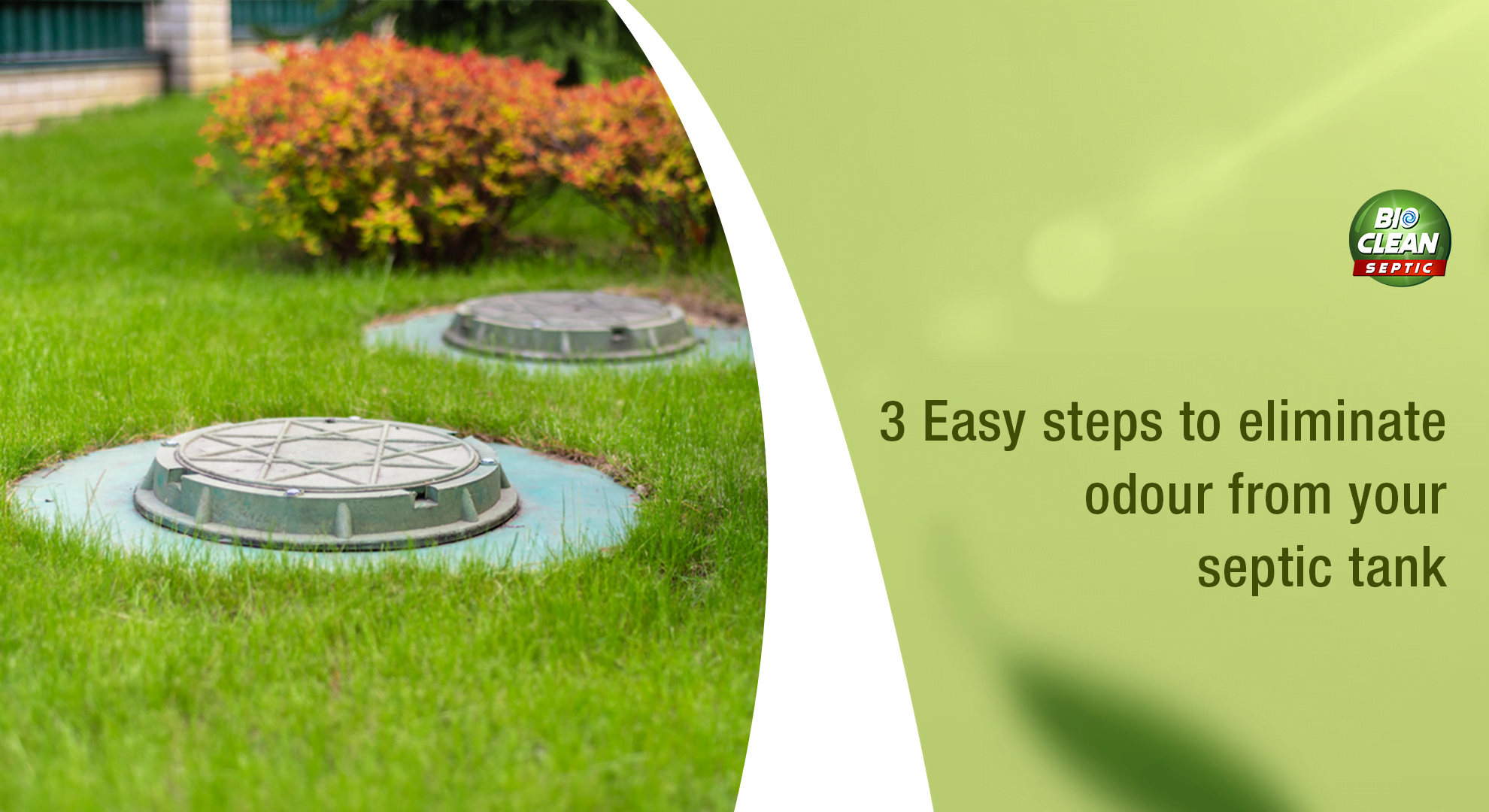
Hey there, fellow homeowner! Ever gotten a whiff of something… shall we say, "unpleasant" wafting from your backyard? Yeah, that's the dreaded septic tank odor, and let me tell you, it's not exactly a welcome guest at your next barbecue. But fear not! While it might seem like a big stinky problem, it’s actually quite manageable with a little knowledge and some strategic adjustments.
Think of your septic system like a mini-ecosystem. It's got a tank where the waste goes, a drain field where the treated wastewater goes, and a whole bunch of bacteria working hard to break everything down. But like any ecosystem, it needs to be balanced and taken care of to function properly. If things get out of whack, well, that's when the stink starts to seep out.
So how do you stop your septic system from turning into a smelly mess? Let's dive into the nitty-gritty of smart system adjustments that can banish the odor and keep your backyard smelling fresh as a daisy.
First Things First: Understand the Source of the Smell
Before we get into the solutions, let's try to figure out what's causing the stink in the first place.
The Septic Tank Itself: The culprit could be a buildup of sludge at the bottom of the tank. This sludge is essentially the partially digested waste, and when it gets too thick, it can start to release those unpleasant smells.
The Drain Field: If your drain field is clogged or overloaded, wastewater might not be draining properly, leading to backups and odor problems.
Your Plumbing: Leaky pipes or a clogged vent stack can also contribute to septic tank odors by allowing sewer gases to escape.
Smart Adjustments for a Smeller-Free Septic System:
Okay, now that we understand the potential culprits, let's look at some easy-to-implement adjustments:
1. Regular Pumping and Maintenance:
Just like your car needs an oil change, your septic tank needs regular pumping. This removes the sludge buildup that can lead to odor problems.
The Pumping Schedule: Most septic tanks need to be pumped every 3-5 years, but it depends on the size of your tank and how many people live in your home. It's always best to consult a professional to determine the ideal pumping schedule for your system.
Don't Forget About the Lid! Make sure the lid of your septic tank is tightly sealed to prevent odors from escaping.
2. Minimize Garbage Disposal Use:
Those fancy garbage disposals might seem convenient, but they can add a lot of extra waste to your septic system, putting a strain on the bacteria and potentially leading to odor problems.
Think Twice Before Grinding: Try to compost food scraps instead of sending them down the drain. This helps reduce the amount of waste entering your septic system and keeps things flowing smoothly.
Use the Garbage Disposal Sparingly: If you do use your garbage disposal, run cold water while you grind to flush the waste down more efficiently.
3. Water Usage and Toilet Habits:
Did you know your toilet habits can affect your septic system? Using less water can actually improve its efficiency and reduce odor problems.
Flush Smartly: Choose low-flow toilets or use the "half-flush" option whenever possible. Every little bit helps!
Limit Water Usage: Be mindful of your water usage, especially when it comes to showers and dishwashing. Smaller loads of laundry and shorter showers all make a difference.
Avoid Flushing Non-Biodegradables: Never flush things like diapers, sanitary napkins, or wipes. These items can clog your system and cause all sorts of issues.
4. Maintain Your Drain Field:
A healthy drain field is essential for efficient wastewater treatment and odor prevention.
No Heavy Traffic: Keep heavy vehicles and equipment off your drain field. This helps prevent compaction and damage.
Plant Strategically: Avoid planting trees or shrubs with deep roots near your drain field. Their roots can penetrate the system and cause disruptions.
Don't Overwater: Avoid overwatering your lawn or garden, especially near the drain field. Too much water can overwhelm the system and lead to backups.
5. Check Your Plumbing:
Don't forget to keep an eye on your plumbing! Leaks and blockages can create pathways for sewer gases to escape into your home.
Inspect Regularly: Regularly inspect your pipes for leaks or signs of damage.
Get Professional Help: If you suspect a plumbing issue, don't hesitate to call a professional plumber.
6. Consider Using Septic Tank Additives:
Septic tank additives are designed to boost the activity of the bacteria in your tank, helping break down waste more efficiently.
Do Your Research: There are many different types of septic tank additives on the market, so choose one that's specifically designed for your system.
Follow Instructions Carefully: Use additives according to the manufacturer's instructions. Using too much can actually harm the bacteria in your tank.
7. Don't Forget About the Vent Stack:
Your septic vent stack, the pipe that vents sewer gases to the roof, is crucial for preventing pressure buildup and odor problems.
Inspect Regularly: Check the vent stack for blockages or damage.
Keep It Clear: Remove any debris that may be clogging the vent stack.
Pro Tip: Listen to the Sounds of Your System
Not just your nose but your ears can help! Listen for unusual gurgling noises from your drains or toilets. These could be signs of a clog or a backup that might lead to odor problems.
Call in the Professionals:
Remember, if you're dealing with persistent septic tank odors or are unsure about any aspect of your system, it's always best to call a professional septic tank service. They have the expertise to diagnose any issues and recommend the best solutions for your specific situation.
Living Odor-Free:
With a little care and attention, you can keep your septic system in tip-top shape and avoid those pesky odors. It's all about understanding the workings of your system, making some strategic adjustments to your habits, and ensuring regular maintenance. So, take a deep breath and enjoy a fresh, odor-free backyard!
How to Control Septic Tank Odor by Removing Excessive Waste

Septic systems, while essential for wastewater management in many areas, can sometimes be a source of unpleasant odors. These odors often stem from an accumulation of excess waste within the tank, leading to the release of volatile organic compounds (VOCs) into the surrounding environment. Effective odor control, therefore, requires a proactive approach to managing the waste within your septic system.
Understanding the Root of the Problem: Septic Tank Function and Odor Generation
Septic tanks are designed to separate solid waste from wastewater through a natural process of decomposition. Bacteria within the tank break down the organic matter in the waste, producing methane, hydrogen sulfide, and other gases that contribute to the characteristic septic odor. When the tank becomes overloaded with waste, the decomposition process becomes less efficient, leading to a buildup of these odor-producing gases.
Factors Contributing to Excessive Waste Accumulation:
Improper Usage: The amount of waste entering the septic system can be significantly reduced by implementing water conservation practices in the household. This includes minimizing water usage during showers, baths, and dishwashing, as well as avoiding the flushing of non-biodegradable items like wipes, paper towels, and feminine hygiene products.
Oversized Loads: Frequent use of washing machines, dishwashers, and garbage disposals can contribute to a rapid accumulation of waste in the tank. Excessive laundry loads, for instance, can introduce a significant amount of detergent, which can interfere with the natural bacterial decomposition process.
Defective System Components: Leaks in plumbing fixtures or a malfunctioning drain field can lead to a buildup of waste within the tank. Regularly inspecting the system for any signs of leaks or damage is crucial for maintaining its efficiency.
Age and Maintenance: As septic tanks age, their capacity decreases due to the buildup of sediment and sludge. Regular maintenance, including pumping and inspection, is essential for preventing excessive waste accumulation and ensuring optimal system performance.
Strategies for Controlling Septic Tank Odor through Waste Management:
1. Minimizing Waste Generation:
Water Conservation: Implement water-saving measures throughout the household. Opt for low-flow showerheads and faucets, and ensure faucets are not left running unnecessarily. Use the washing machine and dishwasher only when fully loaded, and consider using water-efficient appliances.
Waste Diversion: Minimize the amount of waste entering the septic system by composting kitchen scraps and yard waste. This practice reduces the organic load in the tank, promoting efficient decomposition.
Proper Toilet Usage: Avoid flushing non-biodegradable items like wipes, paper towels, and feminine hygiene products down the toilet. These items can clog the tank and hinder the decomposition process, contributing to odor issues.
2. Maintaining a Healthy Septic System:
Regular Pumping: Have your septic tank pumped every 3-5 years, or more frequently if you experience excessive waste generation. This helps remove accumulated sludge and solids, ensuring optimal tank function and reducing the risk of odor problems.
Inspection and Repair: Schedule regular inspections of your septic system by a qualified professional. This allows early detection of leaks, blockages, or other issues that can contribute to odor problems.
Proper Septic Tank Additives: Consider using commercially available septic tank additives that contain beneficial bacteria and enzymes. These additives aid in the decomposition process, reducing odor-producing gases and improving overall system efficiency.
3. Using Odor Control Measures:
Ventilating the Tank: Ensure adequate ventilation for the septic tank to prevent the buildup of gases. This can be achieved by installing a vent pipe that extends above the roofline, allowing gases to escape safely.
Using Odor Neutralizers: Consider using odor neutralizers specifically designed for septic systems. These products typically contain fragrances or enzymes that mask or neutralize the odors. However, these solutions only address the symptom, not the underlying problem.
4. Addressing Specific Odor Issues:
Identifying the Source: If the odor is localized to a specific area of the house, there may be a leak or blockage in the plumbing system. Consult a professional plumber to identify and repair the issue.
Inspecting the Drain Field: A malfunctioning drain field can lead to a backup of wastewater and odors. If you suspect a problem with the drain field, consult a qualified septic system professional for inspection and repair.
Conclusion:
Controlling septic tank odor requires a holistic approach that focuses on both minimizing waste generation and maintaining a healthy septic system. By implementing the strategies outlined above, you can effectively reduce the risk of unpleasant odors, ensuring a comfortable and hygienic living environment. Remember, proactive maintenance and responsible waste management are crucial for maintaining the longevity and efficiency of your septic system.
How to Get Rid of Septic Tank Odor in the House Fast

Okay, so you've got that unmistakable smell of sewage wafting through your house. Let's be honest, it's not the kind of fragrance you want to be welcoming guests with, right? But don't panic! While a septic tank odor can be pretty alarming, there are usually some pretty straightforward ways to deal with it.
First Things First: Figure Out Where the Smell is Coming From
Before you start frantically spraying air freshener, take a deep breath (literally!) and try to pinpoint the source of the smell. This will help you figure out the best way to tackle the problem.
Is the smell coming from the bathroom? Maybe it's a drain that's not properly draining, or there could be a problem with the toilet seal.
Is the smell more noticeable in the kitchen? This could indicate a clog in the garbage disposal or a leak in the plumbing under the sink.
Is the smell strong throughout the house? This might mean the problem is deeper, like a vent stack issue, or something amiss with the septic system itself.
Quick Fixes: Dealing with Minor Odors
If the smell isn't too strong, you might be able to handle it with some quick fixes:
Pour boiling water down the drain: This can help dislodge any debris that might be causing the odor.
Use baking soda and vinegar: This classic combo can neutralize odors and loosen any clogs. Pour a cup of baking soda down the drain, followed by a cup of vinegar. Let it fizz for a few minutes, then flush with hot water.
Try a commercial drain cleaner: Be cautious with these products, as they can be harsh on your pipes. Always follow the manufacturer's instructions carefully.
Open windows and doors: Fresh air can help dissipate the odor.
Use an odor neutralizer: You can find air fresheners and odor eliminators specifically designed for sewage smells. These are usually more effective than just covering the odor with a perfume-like scent.
The Plumbing Detective: Finding the Culprit
If the quick fixes aren't cutting it, you'll need to delve a little deeper.
Check for leaks: Look for any visible leaks in your plumbing. Even a small leak can release nasty smells.
Inspect the vent stack: The vent stack is the pipe that vents sewer gases to the outside. If it's blocked or damaged, it can cause odors to back up into your house. (If you're not sure where to find your vent stack, it's usually a pipe that goes up through the roof.)
Examine the toilet seal: The wax seal between your toilet and the floor can deteriorate over time, creating a gap that allows sewer gases to escape.
Pay attention to your drain traps: Drains have traps to prevent sewer gases from entering your home. If the trap is dry, it won't be doing its job. Pour a little water down the drain to refill the trap.
Beyond Plumbing: What to Do if the Smell Persists
If you've checked your plumbing and still can't find the source of the smell, it might be time to look at your septic system.
Call a septic tank professional: A professional can inspect your septic system and determine if there are any problems. They can also help you with regular maintenance, which can prevent odors from developing in the first place.
Check for a backup: If your septic system is full, it can cause sewage to back up into your house. This is a serious problem that needs to be addressed immediately.
Pump your tank regularly: Regular pumping is essential for maintaining a healthy septic system. Most septic tanks should be pumped every 3-5 years, but the frequency depends on the size of your tank and how many people live in your home.
Preventing Septic Tank Odor in the Future
Don't flush anything that shouldn't go down the drain: This includes things like grease, oil, coffee grounds, hair, and feminine hygiene products. These materials can clog your pipes and contribute to odors.
Be careful about what you pour down the drain: Avoid using harsh chemicals, as they can damage your pipes and septic system. Use natural cleaners whenever possible.
Keep your septic system clean: Regular maintenance is the key to preventing septic tank odor. This includes pumping your tank regularly, inspecting the system for leaks, and making sure the vent stack is clear.
Don't Let Septic Odor Stink Up Your Life
Dealing with septic tank odor can be frustrating, but don't despair! By taking a systematic approach, you can often pinpoint the source of the problem and get rid of the smell quickly. And by practicing good hygiene habits and maintaining your septic system, you can prevent this issue from recurring in the future.
Remember, if you're ever unsure about something or the problem seems bigger than you can handle, don't hesitate to call a professional. They're there to help you get your home smelling fresh and clean again!
How to Handle and Treat Septic Tank Smell Problems
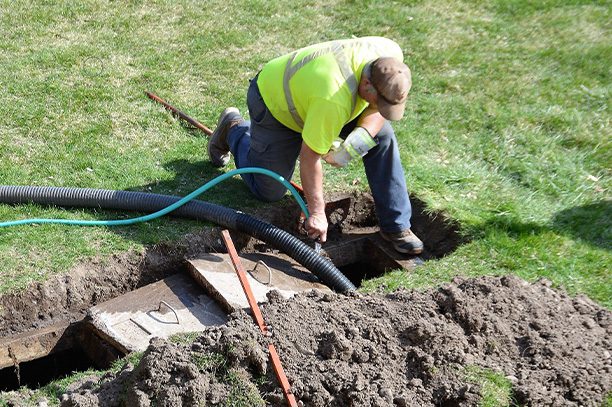
Let's face it, nobody wants to deal with a stinky septic system. It's like having a permanent guest with bad breath hanging out in your backyard. But before you call in the hazmat team, don't despair! There are tons of things you can do to tackle that septic tank smell and reclaim your fresh-air rights.
First things first: sniff out the source. Is the smell coming from your actual septic tank, or maybe a drain field? If you can pinpoint the exact location, it'll help you figure out the best approach. And hey, let's be honest, if you're that brave to go sniffing around, you're already a pro in my book!
Now, let's dive into the possible culprits and solutions:
1. The "I'm-Full-and-Overflowing" Scenario:
Think of your septic tank as a hungry monster that needs to be fed regularly. If it's constantly stuffed with waste, it'll start getting grumpy and letting out that tell-tale stench. Here's what you can do:
Pump it! A regular septic tank pumping is your best friend. Aim for a pumping every 3-5 years, or sooner if you have a large family or a lot of water usage. A professional can handle the dirty work and ensure your tank stays in tip-top shape.
Less is More: Be mindful of what goes down your drains. Avoid flushing anything other than human waste and toilet paper. Those "flushable" wipes? They're more trouble than they're worth and can clog your system. Same goes for coffee grounds, grease, and even excessive amounts of paper products. Treat your system like a delicate ecosystem, and it'll reward you with fresh air.
2. The "My-Drains-are-Clogged" Mystery:
Sometimes, a clogged drain or a blockage in your septic system can be the culprit. A slow-moving drain in the house can act like a dam, trapping waste and causing a backup. If you suspect a clog, try these:
The Snake It!: A drain snake can be your hero. It's a flexible, cable-like tool that you can feed into your drain to break up clogs and clear blockages. You can rent one at your local hardware store.
The Baking Soda and Vinegar Combo: For milder clogs, try pouring a cup of baking soda down the drain followed by a cup of vinegar. Let it fizz for 30 minutes and then flush with hot water. It's a simple and often effective solution.
The Enzyme Power: Septic tank treatments with enzymes can help break down solids and reduce odor. These products are available at most hardware stores and can be a good preventative measure.
3. The "I'm-Missing-a-Lid" Issue:
Sounds silly, but a missing or damaged lid on your septic tank can lead to odor problems. The lid prevents gases from escaping, so if it's compromised, it's like leaving the door open to a sewer. Time to call in a professional to get that lid fixed or replaced!
4. The "My-Drain-Field-is-Failing" Dilemma:
Your drain field is the unsung hero of your septic system. It's a network of underground pipes that filters wastewater and releases it back into the soil. If the drain field is overloaded, damaged, or poorly designed, it can cause odors.
Get a Professional Checkup: A licensed septic contractor can inspect your drain field and identify any issues. They might recommend repairs, upgrades, or even a complete replacement.
Keep it Healthy: Avoid parking cars or heavy equipment on your drain field. Avoid planting trees or landscaping that can disrupt the soil structure. These simple steps can help keep your drain field happy and odor-free.
5. The "I-Just-Need-a-Little-Fresh-Air" Solution:
Sometimes, all you need is a good ol' fashioned air freshener. Don't be afraid to use it! Place air fresheners near the vent pipe to mask any unpleasant odors.
Bonus Tip: Don't overlook the power of good ventilation! Ensure your home has adequate ventilation, especially in bathrooms and kitchens. An exhaust fan can make a big difference in keeping the air fresh and preventing odors from accumulating.
Remember: Taking preventative measures is key to keeping your septic system happy and your nose happy! Regular maintenance and proper care can save you from major headaches and potential issues in the future. If you ever have any doubts, call a licensed septic professional for advice and assistance. They're the experts, and they're there to help!
How to Fix Septic Tank Smell in Your Home with Professional Septic Care

Ugh, that smell. You know the one - that faint, earthy, just plain off odor that seems to linger in your home, even after you've scrubbed everything within an inch of its life. It's the dreaded septic tank smell, and trust me, you're not alone.
But don't panic! We're here to help you sniff out the source of the problem and find a solution that doesn't involve running for the hills (or, at least, not until you've tried everything else).
The First Line of Defense: Understanding Your Enemy
Before we dive into the solutions, let's tackle the basics. Your septic system is like a little ecosystem, and it works best when things are in balance. Think of it like this: bacteria break down the waste, and that process produces gas. Normally, that gas is trapped in the system and slowly released through the vent pipe, usually on the roof.
But if things get out of whack, those gases can back up into your home, leaving you with that pungent aroma. And trust me, it's not the kind of scent you want to be remembered for.
Why is My Septic System Giving Off That Smell?
There are a few culprits that could be causing the stink:
A Full Tank: Like any good party, your septic tank can only handle so much. If it's full, the waste has nowhere to go but up, and that's how you end up smelling like a sewage treatment plant.
A Clogged Drainfield: Imagine a clogged drainfield as the system's lungs. If they're blocked, the waste can't drain properly, causing pressure buildup and a nasty smell.
A Cracked Tank or Pipe: If there's a crack in your tank or a pipe leading to it, you've got a problem. Waste can leak out, creating a toxic environment and, you guessed it, a not-so-fresh odor.
Too Much "Solid" Waste: Septic systems love a healthy amount of bacteria to break down waste, but they're not fans of large, solid objects. Things like wipes, paper towels, and even too much toilet paper can clog your system and lead to a stinkfest.
Poor Ventilation: Remember that vent pipe we mentioned? It's like the system's escape route for those nasty gases. If it's blocked or damaged, the smell can back up into your home.
What You Can Do (and What You Should Leave to the Pros)
Now that you know the enemy, it's time to fight back! Here's what you can do to tackle that septic tank smell:
The Quick Fix: If you think it's a full tank, it might be time to pump it. This involves a professional coming in and removing the sludge and scum from the tank. It's a good idea to get this done every 3-5 years, even if you don't smell anything funky.
Check the Drains: Make sure your drains aren't clogged. This can contribute to backups in the system. Use a plunger or a drain snake to clear any blockages. If that doesn't do the trick, it might be time to call in a professional.
Flush Wisely: We all know how much we love a good flush, but remember, your septic system is not a garbage disposal. Only flush the three P's: pee, poop, and toilet paper. Avoid flushing anything else, including wipes, feminine hygiene products, and even things like coffee grounds.
Keep Your Yard Healthy: A lush, green lawn sounds great, but too much water can overwhelm your system. Make sure your sprinklers aren't watering directly over your drainfield.
The Big Guns: Septic Tank Additives: These are like vitamins for your septic system. They contain bacteria that help break down waste, reducing odor and improving overall system performance. Be sure to follow the instructions on the label carefully.
When to Call in the Professionals:
Some problems are best left to the experts. Here's when you need to call a septic system professional:
Persistent Smell: If the odor doesn't disappear after you've tried the quick fixes, you might have a more serious issue.
Backed Up Drains: If your drains are frequently backing up, you could have a major clog in your system.
Visible Cracks or Damage: If you see any cracks in your tank or pipes, it's time to call in the pros to assess the damage.
Unusual Sounds: If you hear gurgling or bubbling sounds coming from your drains, that could mean there's a problem with your septic system.
What a Professional Can Do:
A trained septic system professional has the tools and expertise to tackle even the toughest problems. They can:
Inspect Your System: They'll assess the overall health of your septic system, looking for cracks, leaks, and other issues.
Pump Your Tank: If your tank is full, they'll pump it out, removing the sludge and scum.
Clean and Maintain Your System: They can clean and maintain your septic system to ensure it's functioning properly.
Repair or Replace Damaged Components: If they find any damage, they can repair or replace it.
Preventing the Smell in the First Place:
The best defense against a smelly septic system is a healthy one! Here are some tips to keep your system in top shape:
Regular Maintenance: Schedule regular septic tank pumping every 3-5 years. It's like going for a checkup for your septic system.
Flush Wisely: We've already discussed this, but it's worth repeating. Only flush the three P's.
Keep Your Yard Healthy: Avoid overwatering your lawn, as this can overwhelm your septic system.
Use Septic Safe Products: Choose cleaning products and laundry detergents that are designed for septic systems. They're less harsh and won't overload the bacteria in your system.
Don't Let the Smell Win!
A smelly septic system can be a real headache, but with a little knowledge and the right approach, you can keep it under control. By understanding how your septic system works, following some simple tips, and knowing when to call in the pros, you can keep your home smelling fresh and your septic system happy. So go on, breathe easy, and enjoy a stink-free home!
How to Fix Septic Tank Smell in Your House with Odor Neutralizers

Let's be real, a septic tank smell is about as welcome as a surprise visit from your Aunt Mildred. It's that kind of odor that makes you want to hold your breath, close the windows, and maybe even consider moving. But before you start packing your bags, let's tackle this stinky situation with a little help from our friends, odor neutralizers!
First, let's be detectives:
Before we start throwing odor neutralizers at the problem, we need to figure out exactly what's going on. Is this a persistent, lingering smell, or does it pop up only when you're using the plumbing? Is it confined to the bathroom, or does it seem to waft throughout the house?
The Usual Suspects:
A Full Tank: If your septic tank is overflowing, it's definitely going to let you know about it. You'll likely notice a strong, sewage-like odor, and maybe even some water backing up in your drains.
Broken Pipes: A crack or leak in your pipes can allow sewer gases to escape, creating that unmistakable stench.
Dry Trap: Every plumbing fixture has a "trap" that holds a little water to block sewer gases from entering your house. If the water in the trap evaporates, those gasses have a clear path to make their way into your home.
Vent Stack Issues: Your vent stack is like a chimney for your septic system. If it's blocked or broken, sewer gases can get trapped and find their way into your house.
The "Fix-It" Fix:
If you suspect a full tank or a broken pipe, it's time to call a plumber! They can inspect your system, diagnose the problem, and get it fixed.
Dealing with Dry Traps and Vent Issues:
Dry Trap Fix: For a quick fix, pour a cup or two of water down the drain of the affected fixture. This will replenish the water in the trap and hopefully block those gasses.
Vent Stack Issues: If your vent stack is blocked, you'll need to have it cleaned or repaired by a professional.
Now, onto the Odor Neutralizers!
Even after you address the underlying issue, you might still need to neutralize the lingering smell. Here's where those odor neutralizers come in:
1. Baking Soda Power:
Baking soda is a natural deodorizer that absorbs odors rather than just masking them. Sprinkle some baking soda into drains and sinks, let it sit for a few minutes, then flush it down with hot water. You can also make a baking soda paste by mixing it with a little water and applying it to surfaces.
2. The Power of Vinegar:
Vinegar is a natural disinfectant that can help kill bacteria that contribute to odors. Pour a cup or two of white vinegar down your drains, let it sit for 30 minutes, and then flush with hot water. You can also use vinegar to clean and deodorize surfaces.
3. Coffee Grounds Magic:
Coffee grounds are excellent at absorbing odors. Place an open container of coffee grounds in the area where the odor is most concentrated. Coffee grounds can also be used in your garbage disposal to help neutralize odors and even clean the blades.
4. Charcoal's Absorbing Power:
Activated charcoal is known for its incredible odor-absorbing properties. You can purchase activated charcoal air purifiers or place bowls of activated charcoal around your home to absorb odors.
5. Commercial Odor Neutralizers:
Don't underestimate the power of commercial odor neutralizers! They are available in a variety of forms, including sprays, gels, and air fresheners. Choose a product that specifically targets sewer odors.
Preventative Measures:
Regular Maintenance: Keep your septic system in good working order by having it pumped every 3-5 years.
Be Mindful of What You Flush: Avoid flushing items like wipes, paper towels, and cooking grease, as these can clog your system and lead to odor issues.
Ventilate: Make sure your bathroom has adequate ventilation, especially during and after showering.
Regular Cleaning: Clean your bathroom regularly, including your toilet bowl and drains, to prevent bacteria buildup.
A Final Thought:
Remember, tackling septic tank odors is a bit like fighting a monster. You need to identify the source, address the root of the problem, and then use your arsenal of odor neutralizers to eliminate the remaining traces. By following these steps, you can conquer that pesky smell and reclaim the fresh-air sanctuary of your home!