Friday, November 22, 2024
Are There DIY Septic Tank Odor Neutralizers That Work?

Banishing Septic Tank Odors: Do DIY Neutralizers Really Work?
That tell-tale whiff of sewage creeping from your yard can be incredibly unpleasant. Before you call in the expensive professionals, you might wonder: can I tackle those septic tank odors myself? The good news is, yes, you can try a few DIY septic tank odor neutralizers. The bad news? Their effectiveness varies wildly depending on the source and severity of the problem. This article will explore several DIY solutions and help you understand when they might be helpful, and when it's time to call in the experts.
Understanding Septic Tank Odors
Before diving into DIY solutions, let's understand the enemy. Septic tank odors typically originate from a buildup of gases produced during the breakdown of organic matter. These gases, including hydrogen sulfide (that rotten egg smell), methane, and ammonia, escape if your septic system isn't functioning optimally. Cracks in the tank, a clogged drain field, or insufficient bacterial activity all contribute to odor problems. Simply masking the smell with air fresheners is a temporary fix; addressing the root cause is crucial.
DIY Septic Tank Odor Neutralizers: What Works (and What Doesn't)
The internet abounds with DIY remedies, but many are ineffective or even counterproductive. Let's examine some popular options and their potential efficacy:
Baking Soda and Vinegar: A Common Misconception
Many suggest a baking soda and vinegar solution. While this combination works wonders for cleaning certain surfaces, its effectiveness on septic tank odors is debatable. The reaction creates carbon dioxide, which offers minimal impact on the noxious gases already present. This approach might temporarily mask the smell, but it won't address the underlying issue of gas production or leaks. It's more of a placebo than a solution.
Beneficial Bacteria: The Most Promising Approach
Introducing beneficial bacteria to your septic system is a more promising DIY strategy. These microorganisms actively break down organic waste, reducing the production of odor-causing gases. You can purchase septic tank bacterial treatments at most home improvement stores. However, carefully read the instructions. Overusing these products can sometimes disrupt the natural balance of your system. Always follow the recommended dosage and application methods.
Enzyme Treatments: A Powerful Alternative
Enzyme treatments work similarly to beneficial bacteria but utilize enzymes to break down organic matter. These are often more effective at tackling stubborn clogs and accumulated waste. They are available commercially and, like bacterial treatments, should be used according to the manufacturer's instructions. Enzyme treatments may be particularly helpful if you suspect slow draining or a sluggish system, which contributes to odor problems.
Other DIY Attempts: Generally Ineffective
Avoid using harsh chemicals, bleach, or drain cleaners. These can damage your septic system's delicate ecosystem and ultimately worsen the odor problem. Similarly, pouring boiling water down the drains won't significantly improve the situation and might even crack pipes. Focus on natural solutions to maintain the health of your septic system.
When to Call a Professional
While DIY solutions can help manage mild odor issues, persistent or worsening smells indicate a more serious problem. Don't hesitate to contact a septic tank professional if:
- Odors are strong and persistent despite using DIY methods.
- You experience slow draining or sewage backups.
- You suspect a leak or damage to your septic tank or drain field.
- You're unsure about the condition of your septic system.
Ignoring significant septic problems can lead to costly repairs and environmental hazards. Regular maintenance and prompt professional attention are crucial for preventing major issues and keeping your home odor-free.

Wednesday, November 20, 2024
What’s the Best Way to Stop Septic Tank Odors Indoors?
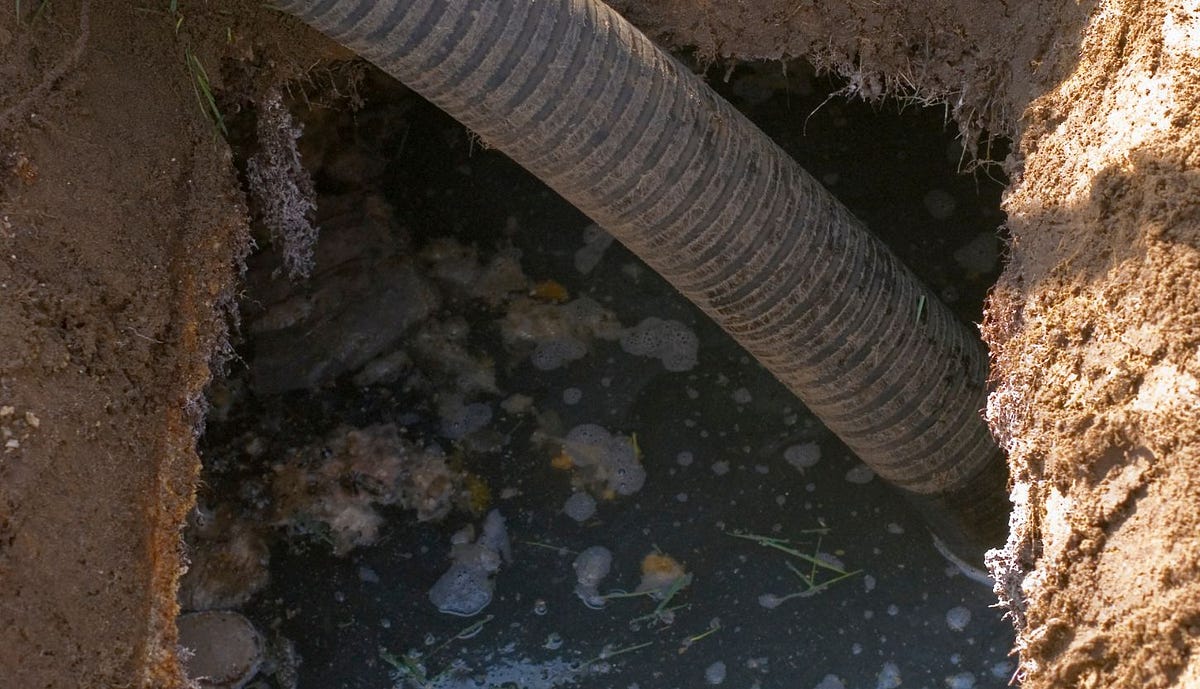
Banishing Those Pesky Septic Tank Odors from Your Home
That unmistakable sewer smell creeping into your home? It's a problem that needs immediate attention. A smelly septic system isn't just unpleasant; it can also signal underlying issues that could lead to costly repairs. Before you call in the professionals (and you might need to!), let's explore the best ways to stop those septic tank odors from invading your indoor space. This isn't about masking the smell with air fresheners; we're talking about tackling the source of the problem to create a fresh, healthy home environment.
Identifying the Source: Where's That Smell Coming From?
The first step in conquering septic odors is pinpointing their origin. Don't just assume it's your septic tank. The smell might be originating from a cracked pipe, a faulty vent stack, or even a clogged drain in your bathroom or kitchen. Carefully inspect your plumbing fixtures. Look for any signs of leaks, cracks, or unusual moisture around drains and pipes. Pay close attention to areas where sewer gases might be escaping, such as around toilet flanges, shower drains, or floor drains in the basement. If you suspect a problem with your plumbing, don't hesitate to contact a qualified plumber. They possess the expertise to locate the source of the problem and implement the appropriate solution.
Effective Solutions to Eliminate Septic Tank Odors
Once you've identified the potential source, it's time to employ effective strategies to neutralize the odor. Remember, a multi-pronged approach is often the most successful.
Maintaining Your Septic System
Regular maintenance is crucial for preventing septic tank odors. This involves:
- Regular Pumping: Schedule regular septic tank pumping by a qualified professional. The frequency depends on your household size and usage, but generally every 3-5 years is recommended.
- Avoid Overloading: Avoid flushing items like grease, feminine hygiene products, and excessive amounts of toilet paper that can clog your system and contribute to odors.
- Conserve Water: Excessive water usage can overwhelm your septic system. Be mindful of your water consumption and look for ways to reduce it.
- Inspect Your Drain Field: Avoid driving or parking heavy vehicles over your drain field. Regular visual inspection for signs of saturation or pooling water can help identify potential problems early.
Addressing Plumbing Issues
If you suspect a plumbing problem, don't delay seeking professional help. A plumber can diagnose and repair issues like:
- Cracked or Leaky Pipes: These allow sewer gases to escape into your home.
- Clogged Drains: A slow drain or completely clogged drain can create a breeding ground for bacteria and release unpleasant odors.
- Faulty Vent Stack: A properly functioning vent stack is essential for preventing sewer gases from backing up into your home. A clogged or damaged vent stack needs immediate repair.
Using Natural Odor Neutralizers
While addressing the root cause is paramount, you can use natural odor neutralizers to temporarily combat the smell. Baking soda and vinegar are excellent options. Sprinkle baking soda down drains and toilets to absorb odors, then follow with vinegar to create a fizzing reaction that helps clean the pipes. Remember, this is a temporary measure and won't solve underlying problems.
When to Call a Professional
If you've tried these steps and the odor persists, it's time to call in the professionals. A septic tank specialist or plumber can conduct a thorough inspection, diagnose the problem, and recommend appropriate solutions. Don't ignore persistent septic odors; a small problem can quickly become a costly one if left unchecked.
Tuesday, November 19, 2024
How Do I Stop My Bathroom from Smelling Like a Septic Tank?

Ugh, My Bathroom Smells Like a Septic Tank! Help!
Okay, so you've got a serious bathroom odor problem. That "septic tank" smell is not just unpleasant; it's a sign that something's wrong, and ignoring it could lead to bigger issues. Let's tackle this together and get your bathroom smelling fresh and clean again! This isn't just about masking the smell with air freshener â€" we need to find the source and fix it.Identifying the Stinky Culprit
Before we jump into solutions, we need to figure out *why* your bathroom smells like a septic tank. It's a bit like being a bathroom detective! Here are some of the usual suspects:The Sewer Gas Escape Route
This is the most likely culprit for that truly awful septic smell. Sewer gas, a mix of various gases produced by decaying organic matter in the sewage system, is escaping into your bathroom. This usually happens through cracks or gaps in your plumbing system, including:
- Dry P-traps: P-traps are those curved pipes under your sinks and shower. They hold water that acts as a seal, preventing sewer gases from rising. If the water evaporates (due to infrequent use), the seal breaks, and BAM! Septic smell.
- Cracked Pipes: Over time, pipes can crack, especially older ones made of cast iron. These cracks provide easy escape routes for sewer gases.
- Faulty Toilet Seal: A worn-out wax ring (the seal between the toilet and the floor) can allow sewer gases to seep through.
- Vent Stack Issues: Your bathroom's vent stack is crucial for proper airflow in the drainage system. A clogged or damaged vent stack can create pressure imbalances that force sewer gases back into your bathroom.
The Toilet's Troubles
Sometimes the problem originates directly from your toilet. A clogged toilet can lead to a backup of sewage and that unmistakable rotten egg smell. Even a seemingly minor clog can allow gases to escape. Consider these:
- Clogged drains: Hair, soap scum, and other debris can build up and restrict water flow, leading to backups and odor.
- A faulty flapper: If your toilet's flapper doesn't seal properly, it can allow water to constantly seep into the bowl, creating the perfect breeding ground for bacteria and odors.
Beyond the Plumbing: Other Potential Sources
While plumbing issues are most common, other factors can contribute to that awful smell:
- Dirty drains: Regular cleaning of drains with baking soda and vinegar or a commercial drain cleaner is essential. Ignoring this can lead to slow drains and foul odors.
- Poor ventilation: A poorly ventilated bathroom allows moisture and odors to linger. Make sure your exhaust fan is working correctly and runs for a sufficient time after showering or bathing.
- Garbage Disposal Issues: A clogged or malfunctioning garbage disposal can also lead to sewer-like odors, especially if it's connected to the bathroom drain.
- Mold and mildew: These thrive in damp environments and can produce a musty odor that, when combined with other smells, can mimic a septic tank smell.
Tackling the Stink: Solutions & Prevention
Now that we’ve identified potential culprits, let’s get to fixing this!Addressing Plumbing Problems
This is where things might get a bit more complicated. For major plumbing issues, it's best to call a qualified plumber. Trying to fix things yourself without the proper knowledge could worsen the problem. However, some simple checks can be done:
- Check your P-traps: If they're dry, add water. If they're constantly dry, there may be a leak or a problem with the drain.
- Check your toilet seal: Look for any signs of damage or cracks around the base of the toilet. A leaky seal needs to be replaced. (This is a job best left to a plumber if you're not experienced.)
- Run water down all drains regularly: This keeps the P-traps full and prevents the sewer gases from escaping.
Cleaning and Maintenance for Odor Control
Even if you don't have a major plumbing problem, regular cleaning and maintenance are vital for odor prevention:
- Clean your drains regularly: Use baking soda and vinegar, or a commercial drain cleaner. Follow the instructions carefully.
- Clean your toilet thoroughly: Scrub the bowl, paying attention to the rim and under the rim where grime and bacteria build up. Use a toilet bowl cleaner designed to tackle stubborn stains and odors.
- Ventilate your bathroom: Use your exhaust fan after every shower or bath. Open a window if possible to improve airflow.
- Address mold and mildew: Clean any visible mold or mildew with a bleach solution (always dilute bleach according to package instructions and wear protective gear). Prevent future growth by improving ventilation and reducing moisture.
When to Call a Professional
There's no shame in admitting you need help! If you've tried the basic troubleshooting steps and are still battling a septic-smelling bathroom, it's time to call a plumber. Here are some signs that you should definitely call in the pros:
- Persistent foul odor despite cleaning: If the smell doesn't improve after you've cleaned and checked the obvious things, there might be a deeper plumbing issue.
- Slow or clogged drains: This suggests a blockage that requires professional attention.
- Sewage backup: If you see actual sewage backing up into your bathroom, you need immediate professional help to avoid a health hazard.
- Gas leaks: Sewer gas is dangerous. If you suspect a gas leak, evacuate immediately and contact emergency services.
Frequently Asked Questions
Here are some common questions people have about bathroom odors:
Q: What's the difference between a septic tank smell and a regular drain smell?
A: A regular drain smell is usually musty and related to accumulated organic matter. A septic tank smell is much stronger, more pungent, and distinctly like rotten eggs (hydrogen sulfide). It indicates a problem with sewer gas escaping.
Q: Will air fresheners really solve the problem?
A: No! Air fresheners only mask the smell; they don't fix the underlying problem. You're just covering up a potentially serious issue.
Q: How often should I clean my drains?
A: At least once a month, preferably more frequently if you have long hair or use a lot of hair products. A simple baking soda and vinegar treatment is a good start.
Q: My bathroom is always damp. What can I do?
A: Improve ventilation â€" use the exhaust fan religiously and consider installing a dehumidifier. Also, check for any leaks in your plumbing that could be contributing to the moisture.
Q: Can I use bleach to clean my drains?
A: While bleach can kill some bacteria, overuse can damage your pipes. It's better to use baking soda and vinegar for routine cleaning, reserving bleach for situations with visible mold or mildew.
Remember, a persistent septic-smelling bathroom is not something to ignore. By identifying the source and taking the appropriate steps, you can get rid of that awful smell and restore your bathroom's freshness and cleanliness!
Sunday, November 17, 2024
How to Stop Septic Tank Smells After Heavy Rain

Ugh, That Post-Rain Septic Smell! How to Get Rid of It
So, you’ve just weathered a downpour, and now your property smells…well, let’s just say it’s not roses. That familiar, unpleasant septic tank odor is wafting through the air, and you're wondering what on earth is going on. Don't worry, you're not alone! Heavy rain often exacerbates septic system issues, leading to that dreaded smell. But before you panic and start calling expensive plumbers, let’s explore some solutions. This isn't rocket science, and you might be surprised at how many simple things can help banish that stench.
Understanding Why Rain Brings on the Stink
The connection between rain and septic smells might seem mysterious, but it's actually pretty straightforward. Heavy rainfall can overwhelm your septic system in a few key ways:
Groundwater Levels Rise
When the ground is saturated with rainwater, the water table rises. This can push groundwater into your septic tank, forcing wastewater up and out through any cracks or poorly sealed areas. Think of it like a soda bottle being squeezed â€" the pressure has to go somewhere! That “somewhere†can unfortunately be your yard, carrying that less-than-pleasant aroma with it.
Soil Saturation Impacts Drainage
The soil surrounding your septic drain field needs to be able to absorb the treated wastewater that drains from your tank. If the soil is already saturated from heavy rain, it can't absorb this wastewater efficiently. This leads to a backup, causing wastewater to surface and release those not-so-pleasant gases.
Increased Water Volume
Simple math: more rain means more water entering your system. Your septic tank and drain field are designed to handle a certain volume of wastewater. A sudden influx of rainwater can overload the system, causing it to struggle to process everything effectively, leading to that awful smell.
Tackling the Septic Smell After a Storm
Now that we know why rain causes the problem, let's talk solutions. Here’s a breakdown of steps you can take to get rid of that septic smell:
Assess the Situation
Before you start anything, take a good look around. Is the smell localized to a specific area? Do you see any signs of standing water or soggy ground near your septic tank or drain field? This helps determine the extent of the problem and guide your next steps.
Check for Obvious Issues
Sometimes, the problem is simpler than you think. Look for obvious signs of trouble:
- Clogged vents: A clogged vent pipe prevents gases from escaping properly, forcing them to find another way out â€" usually through the ground near your tank.
- Broken or damaged lids: Cracks or gaps in the tank lid can allow gases to escape.
- Standing water near the tank or drain field: Indicates a drainage problem that needs attention.
Improve Drainage
If you notice standing water, try to improve drainage around the septic tank and drain field. This might involve:
- Creating shallow ditches: To guide excess water away from the area.
- Clearing vegetation: Overgrown plants can obstruct drainage.
- Adding gravel: To improve soil permeability.
Important Note: Don’t try to alter the drain field itself unless you are a qualified professional. Improper modifications can severely damage your septic system.
Aerate the Soil
Aerating the soil around your drain field can help it absorb wastewater more efficiently. You can do this by:
- Core aeration: Using a core aerator to remove small plugs of soil, improving air circulation.
- Forks or shovels: Manually turning over the soil in the area around the drain field (avoid getting too close to the drain lines).
Use a Septic System Treatment
Septic system treatments are readily available at most home improvement stores. These products contain bacteria and enzymes that help break down waste in your septic tank, reducing odor and improving efficiency. Always follow the instructions on the packaging carefully.
Call a Professional
If the smell persists despite your efforts, or if you notice other signs of septic system failure (like sewage backing up into your house), it's time to call a professional septic system contractor. They have the expertise to diagnose and address more serious problems that you might not be able to handle yourself. This is always better than dealing with a major (and expensive) failure later.
Preventing Future Septic Smells
Prevention is key! Here are a few things you can do to minimize the chances of septic smells, especially after heavy rain:
Commonly Asked Questions
Here are some frequently asked questions about septic smells and heavy rain:
Q: How often should I have my septic tank pumped?
A: The frequency depends on the size of your tank, household size, and water usage. A good rule of thumb is every 3-5 years, but it's best to consult with a septic professional to determine the ideal schedule for your system.
Q: What are the signs of a failing septic system?
A: Signs include persistent foul odors, sewage backing up into your home, slow drains, soggy or unusually lush grass over your drain field, and gurgling sounds from your plumbing.
Q: Can I use bleach to get rid of septic smells?
A: While bleach can temporarily mask the smell, it can actually harm the beneficial bacteria in your septic system that are essential for proper wastewater treatment. It's generally best to avoid using bleach in your septic system.
Q: Can I plant trees near my septic system?
A: It's best to avoid planting large, deep-rooted trees near your septic system, as their roots can damage the drain lines. Smaller shrubs and plants are usually okay, but it’s best to check with your local septic professional.
Dealing with a smelly septic system after a rain storm can be frustrating, but by understanding the cause and following these tips, you can keep the unpleasant odors at bay. Remember, regular maintenance and prompt attention to any problems are key to a healthy and odor-free septic system!
Understanding Why Septic Tank Odors Are More Noticeable at Night

The Nighttime Stink: Why Septic Tank Odors Are Stronger at Night
You’ve just settled into your favorite armchair, a good book in hand, and the evening’s tranquility is shattered by a whiff of something…unpleasant. It’s that familiar, unmistakable scent of sewage. What’s going on? Why is it that septic tank odors seem to be more noticeable at night? It’s a common complaint, and one that can be a bit disconcerting. Rest assured, it’s usually not a sign of a serious septic system problem. Instead, there are a few factors that contribute to the intensified odors at night.The Mystery of the Nighttime Stench
Let’s break down why your nose might be more sensitive to those unfortunate smells after the sun sets. It’s a combination of atmospheric and environmental factors, along with a bit of our own biology.
Temperature and Air Movement
As the day transitions to night, the air cools down. This cooling effect has a direct impact on the way odors travel.
Think of it like this: Warmer air is lighter and tends to rise. As the air cools, it becomes denser and sinks. This movement can trap odor molecules closer to the ground, where they are more likely to reach our noses.
During the day, the heat of the sun can create air currents that help disperse odors. But at night, these air currents tend to be weaker, allowing the smell to linger near the ground.
Atmospheric Pressure
Think of atmospheric pressure as the weight of the air above us. As the air pressure decreases, it can create a bit of a vacuum effect. This can cause odors that might otherwise be trapped in the soil or air to rise and become more noticeable.
You might have noticed how a slight drop in pressure can make your ears pop â€" this is the same principle at work. The air pressure changes can also influence how far those nasty odors travel.
Biological Factors
The air might not be the only thing changing at night. Our own bodies undergo subtle shifts as we settle into sleep.
Our sense of smell can be more sensitive when we're at rest. Think about how a strong fragrance might seem overwhelming at night, even if it was barely noticeable during the day. This is because our bodies are in a more relaxed state and our senses are more alert.
Beyond the Basics: Potential Septic System Issues
While nighttime odor intensification is usually a combination of environmental factors, it’s important to recognize that it can sometimes be a sign of a septic system issue.
Here are a few situations where a nighttime odor might signal a problem:
- Slow drainage in your home
- Gurgling noises in the plumbing
- Soggy or wet areas around the septic tank
If you suspect a problem, it’s essential to call a professional septic system inspector. They can help determine the cause of the odor and advise on the best course of action.
Tips for Minimizing Septic Tank Odors
It's impossible to completely eliminate odors from your septic system, but there are some things you can do to help minimize them:
- Pumping the tank every 3-5 years (or as recommended by your inspector)
- Inspecting the tank and drain field regularly for any signs of damage or issues
- Grease and oil
- Disposable wipes (even those labelled "flushable")
- Large amounts of chemicals or medications
- Excess paper products
Commonly Asked Questions
What’s the difference between a septic tank and a sewer system?
A sewer system is a centralized system where wastewater from multiple households is collected and transported to a sewage treatment plant for processing. Septic systems are independent, on-site systems that treat wastewater within a single property.
Should I be concerned if I smell a sewage odor coming from my neighbor’s property?
While it’s not necessarily a cause for alarm, it’s best to let your neighbor know about the odor. It could indicate an issue with their septic system that they might be unaware of.
Can I use bleach to neutralize odors in my septic system?
Bleach can be harmful to the beneficial bacteria in your septic system and can actually worsen odors in the long run. Stick to septic system-specific additives if you want to control odors.
My septic system is new, but I still smell odors. What’s going on?
Even brand new septic systems can sometimes have odor issues. It’s important to ensure proper installation and to follow all recommended maintenance procedures. If the odor persists, contact a professional for an inspection.
Septic tank odors can be a bit of a nuisance, especially when they seem to be more pronounced at night. By understanding the factors at play and taking steps to minimize them, you can reduce the frequency and intensity of these unpleasant smells. Remember that if you have any concerns, it's always best to consult with a qualified septic system professional.
Managing New Septic Tank Odors: Tips for Outdoor Smells

Managing New Septic Tank Odors: Tips for Outdoor Smells
A new septic tank installation is a significant investment in your property, but sometimes, it can come with an unwelcome side effect: unpleasant odors. If you're experiencing new septic tank smells wafting through your yard, don't despair! These odors are often temporary and can be effectively managed with a few proactive steps. This article will provide practical tips to help you eliminate those unwanted smells and enjoy a fresh-smelling outdoor space.
Understanding the Source of the Odor
Before diving into solutions, it's important to understand the root cause of the odor. Septic tank odors typically arise from a combination of factors:
- Incomplete breakdown of waste: When the bacteria in your septic tank struggle to break down waste properly, it can release volatile compounds that create foul smells.
- Poor ventilation: A lack of proper ventilation in the septic system can trap gases, leading to odor build-up.
- Leaks or cracks: Cracks in the septic tank or its components can allow gases to escape into the surrounding soil, creating noticeable odors.
- Improper installation: If the septic tank was not installed correctly, it might be prone to odor problems.
Tips to Manage Septic Tank Odors
Here are some proven strategies to address those unwanted odors:
1. Boost Septic Tank Bacteria
A healthy septic system depends on active bacteria that break down waste. You can strengthen the bacteria population with septic tank additives that contain beneficial microorganisms. These additives are readily available at hardware stores and online. Regularly adding them will help prevent waste from accumulating and minimize odors.
2. Improve Ventilation
Ensure adequate ventilation in your septic system by regularly inspecting vent pipes. If the vent pipe is blocked, clogged, or damaged, it can hinder the escape of gases, leading to odors. Clean or replace the vent pipe if necessary to ensure proper airflow.
3. Check for Leaks
Inspect the entire septic system for leaks or cracks. Look for signs of wet or soft soil around the tank, pipes, and lids. If you suspect a leak, contact a qualified septic tank professional for repairs.
4. Maintain Proper Use
Avoid overloading your septic system with unnecessary waste. Flush only biodegradable toilet paper and avoid dumping grease, oil, chemicals, and large amounts of food waste down the drain. These items can hinder bacterial activity and lead to odor problems.
5. Use a Septic Tank Deodorizer
Commercial septic tank deodorizers can help mask unpleasant smells by releasing a pleasant fragrance. However, remember that these products are temporary solutions and do not address the underlying cause of the odor.
6. Contact a Septic System Expert
If you've tried the above tips and the odors persist, it's time to seek professional help. A licensed septic tank technician can inspect your system thoroughly, identify the source of the odor, and provide effective solutions. They might suggest repairs, maintenance, or even a complete system upgrade.
Conclusion
Managing septic tank odors can seem daunting, but with the right approach, you can enjoy a fresh and pleasant outdoor environment. Remember to keep your system well-maintained, boost bacterial activity, ensure proper ventilation, and address any leaks promptly. By taking these proactive steps, you can eliminate those unpleasant odors and maintain a healthy and efficient septic system for years to come.
Saturday, November 16, 2024
How Long Will a New Septic Tank Smell Last and How to Reduce It

How Long Will a New Septic Tank Smell Last and How to Reduce It
The installation of a new septic tank is a significant investment in your home's infrastructure. While it provides a reliable waste management system, it can also bring about an unwelcome odor, particularly in the initial stages. This article will delve into the factors influencing the duration of this smell, along with effective strategies to mitigate it.
The Factors Affecting the Smell Duration
The persistence of septic tank odors following installation is influenced by a combination of factors, including:
1. Tank Size and Capacity
The size of the septic tank plays a crucial role in determining the frequency of its use and, consequently, the odor. A larger tank can hold more wastewater, reducing the frequency of pumping and minimizing the potential for odor buildup.
2. Waste Composition
The type of waste entering the septic tank influences the odor's intensity and duration. Certain types of waste, such as food scraps, produce stronger odors compared to others. It is advisable to minimize the discharge of excessive amounts of food waste into the septic system.
3. Soil Type
The surrounding soil's composition and drainage properties can affect how effectively the septic tank handles waste. Poorly draining soils can lead to the accumulation of wastewater and contribute to odor production. It is crucial to ensure proper drainage and ventilation to prevent the buildup of gases.
4. Tank Age
Newly installed septic tanks are more prone to odor issues compared to older ones. This is due to the presence of fresh organic matter and the ongoing bacterial activity within the tank. As the bacteria break down the waste, the odor typically decreases over time.
5. Maintenance Practices
Regular maintenance plays a vital role in minimizing odor. This includes routine pumping of the septic tank, cleaning the drain field, and inspecting the system for any leaks or blockages. Neglecting these maintenance tasks can contribute to odor problems.
Strategies to Reduce Septic Tank Smell
While a new septic tank may initially emit an odor, there are effective strategies to minimize or eliminate it:
1. Proper Installation and Ventilation
During installation, ensure the septic tank is properly located, leveled, and vented. An adequately sized vent pipe allows for the release of gases, reducing the potential for odor accumulation within the tank and surrounding area.
2. Minimize Food Waste Discharge
Limit the amount of food waste entering the septic system. This can be achieved by using a garbage disposal sparingly, composting food scraps, and avoiding pouring fats and oils down the drain.
3. Use Bioaugmentation Products
Bioaugmentation products contain beneficial bacteria and enzymes that help break down organic matter in the septic tank, reducing odor-causing compounds. These products can be added to the tank periodically to enhance its efficiency and reduce the likelihood of odor generation.
4. Flush with Water Regularly
Regular flushing of the septic tank with water is essential to maintain proper drainage and prevent odor buildup. This can be accomplished by running water in the sinks, showers, and toilets frequently.
5. Regularly Pump and Clean the Tank
Schedule regular pumping of the septic tank according to its size and usage. A full tank can produce stronger odors and compromise the system's functionality. Additionally, consider having the tank cleaned professionally to remove sludge and other accumulated waste, which can contribute to odor production.
6. Inspect and Maintain the Drain Field
The drain field plays a crucial role in dispersing treated wastewater into the surrounding soil. Regular inspection and maintenance, such as clearing any blockages or obstructions, can help ensure proper drainage and minimize the likelihood of odor buildup.
7. Install an Odor Control System
For persistent odor issues, installing an odor control system can be a viable solution. These systems use activated carbon filters or other technologies to trap and neutralize odor molecules, providing a more effective and long-lasting odor reduction solution.
8. Consider Using a Septic Tank Deodorizer
Septic tank deodorizers, available in various forms, can help mask or neutralize unpleasant odors. These products typically contain fragrances or odor-absorbing agents that can temporarily reduce the perception of odors. However, they do not address the underlying cause of the odor. It is important to address the root cause of the odor using the strategies mentioned above.
Conclusion
A new septic tank may initially exhibit odor, but this is often temporary. By understanding the factors influencing odor duration and implementing the recommended strategies, homeowners can effectively reduce or eliminate septic tank smells. Proper installation, maintenance, and responsible waste disposal practices are key to minimizing odor production and ensuring the longevity and efficiency of the septic system.
How to Fix Septic Tank Odors That Appear After Rain
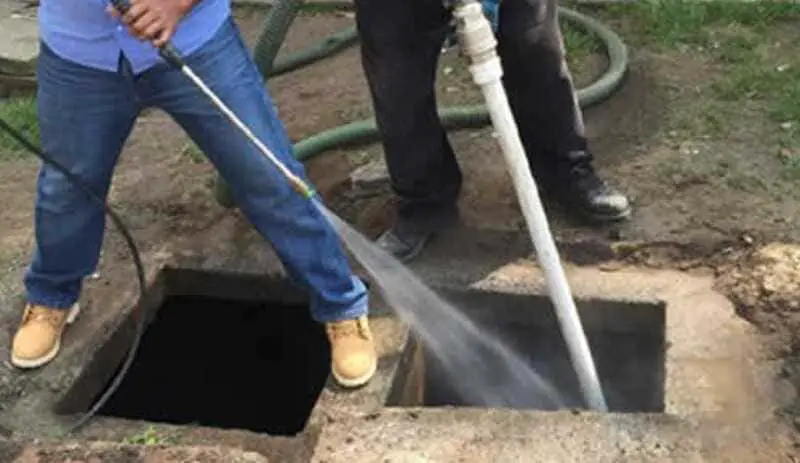
Tackling Septic Tank Odors After Rain: A Comprehensive Guide
A refreshing rainstorm can bring a welcome change to your landscape, but sometimes it's followed by an unwelcome surprise: a pungent septic tank odor. This unpleasant aroma can be a source of embarrassment and concern, but don't worry, it's a common issue with a few possible causes and solutions. Let's delve into the reasons behind this post-rain odor and explore the steps you can take to banish it for good.
The Culprits Behind Post-Rain Septic Odors
The culprits behind this unpleasant odor usually stem from a disruption in the delicate balance of your septic system. Here are the most common reasons why your septic tank may start smelling after rain:
1. Overwhelmed System
Heavy rainfall can overtax your septic system. When the ground becomes saturated, it slows down the drainage of wastewater from your septic tank to the drain field. This can lead to a buildup of liquid in the tank, causing it to overflow and release odors through vent pipes or cracks in the system.
2. Leaky Septic Tank or Drain Field
A cracked or leaking septic tank or drain field can allow wastewater to escape into the surrounding soil. The rain can wash these escaped fluids back to the surface, causing an odor.
3. Clogged Vents
Your septic system has vents that allow gases to escape. If these vents are clogged with debris or become blocked by excess rain, the pressure inside the system can build up, forcing the odor out through other openings.
4. Septic Tank Overload
Even without heavy rain, your septic tank might be overloaded, causing a buildup of solids. A full tank can release odor as it struggles to process waste.
Eliminating Septic Tank Odors After Rain
Now that you understand the potential causes, let's tackle those odors with these practical solutions:
1. Check the Vent Pipes
Start by inspecting your septic tank vents. Look for any visible blockages like leaves, debris, or nests. Clear away any obstructions and make sure the vents are open and unobstructed.
2. Reduce Water Usage
To prevent overloading your septic system, reduce water usage during and after heavy rainfall. This could include taking shorter showers, delaying laundry loads, and avoiding unnecessary water usage in the garden.
3. Maintain Your System Regularly
Regular maintenance is key to preventing septic tank odor issues. Schedule professional septic tank pumping every 3-5 years, or as recommended by your local regulations. Pumping removes accumulated solids and ensures optimal system performance.
4. Address Leaks
If you suspect leaks, call a qualified septic system professional for an inspection. They can locate any cracks or leaks in the tank or drain field and provide necessary repairs.
5. Deodorize the Area
To temporarily mask the odor, try using a commercial septic tank odor neutralizer or natural solutions like baking soda or vinegar. Sprinkle baking soda in the drains, or pour a cup of vinegar followed by a cup of boiling water. These remedies can help eliminate odor temporarily.
Preventing Future Odors
To avoid those unpleasant smells in the future, consider these preventive measures:
By following these recommendations, you can effectively manage and prevent septic tank odors from ruining your enjoyment of your home, even after a downpour.
What Causes Outdoor Septic Tank Odors and How to Fix the Issue

Causes of Outdoor Septic Tank Odors and How to Fix the Issue
Septic systems are essential components of many homes, especially in rural areas where public sewer systems are not readily available. While these systems are designed to efficiently handle wastewater, they can sometimes generate unpleasant odors that emanate from the septic tank or drain field. These odors can be a nuisance and a sign of underlying problems that need to be addressed promptly.
Understanding the causes of septic tank odors is crucial for effective troubleshooting and remediation. This article will delve into the various factors that contribute to these unpleasant smells, explore the potential consequences of ignoring them, and provide practical solutions to eliminate them.
Common Causes of Septic Tank Odors
Septic tank odors are often a symptom of a malfunctioning system. The following are some of the most prevalent causes:
1. Overloading the Septic Tank
Septic tanks are designed to hold a specific volume of wastewater. When the tank becomes overloaded, it can lead to a buildup of solids and a release of foul-smelling gases. This overload can occur due to:
- Excessive Water Usage: Frequent laundry, dishwashing, and bathing can increase the volume of wastewater entering the tank.
- Leaky Plumbing: Leaking pipes or fixtures can contribute to excess wastewater, leading to overloading.
- Incorrect Tank Size: A septic tank that is too small for the household's needs can quickly become overloaded.
2. Inadequate Drainage
The drain field is responsible for filtering and releasing treated wastewater back into the environment. If the drain field becomes clogged or blocked, wastewater may not drain properly, leading to backups and odors. Common causes of inadequate drainage include:
- Soil Compaction: Over time, soil can become compacted, reducing its ability to absorb water.
- Root Intrusion: Tree roots can grow into the drain field, obstructing drainage pathways.
- Improper Installation: Improperly installed drain fields can have inadequate drainage capacity.
3. Septic Tank Sludge Buildup
Over time, wastewater in the septic tank settles into two layers: scum (floating solids) and sludge (settled solids). When these layers become too thick, they can interfere with the proper functioning of the tank and lead to odor problems. Other contributing factors include:
- Infrequent Pumping: Septic tanks should be pumped out every 3-5 years to remove accumulated sludge. Neglecting this can result in excessive buildup.
- Heavy Solids: Items like coffee grounds, grease, and hair can contribute to sludge formation, which can accelerate odor development.
4. Broken or Leaky Septic Tank Components
Septic tanks have various components, including baffles, lids, and inlet/outlet pipes. Damage or leaks in these components can allow untreated wastewater to escape, leading to unpleasant odors. Potential causes include:
- Cracks or Breaks: Septic tank lids, baffles, or pipes can become cracked or broken due to age, wear, or external forces.
- Corrosion: Metal components can corrode over time, leading to leaks and odor problems.
- Improper Installation: Faulty installation of components can lead to leaks and odor issues.
5. Bacterial Imbalance
Septic tanks rely on beneficial bacteria to break down wastewater. If these bacteria become imbalanced, it can lead to incomplete decomposition and odor production. This imbalance can arise from:
- Excessive Chemicals: Chemicals like bleach and detergents can kill beneficial bacteria, disrupting the system's balance.
- Improper Aeration: Lack of adequate aeration can hinder the growth of beneficial bacteria.
- Temperature Fluctuations: Extreme temperatures can affect the activity of bacteria.
Consequences of Ignoring Septic Tank Odors
Ignoring septic tank odors is not advisable. The following consequences may arise:
- Environmental Contamination: Untreated wastewater can leach into the soil and groundwater, contaminating water sources.
- Health Hazards: Septic tank odors can carry harmful bacteria and viruses, posing a risk to human health.
- Property Value Depreciation: Septic tank issues can lower the value of your property.
- Costly Repairs: Ignoring small problems can lead to larger and more expensive repairs in the future.
How to Fix Septic Tank Odors
Addressing septic tank odors requires a multifaceted approach. The following steps can help:
1. Identify the Source of the Odor
Pinpointing the source of the odor is essential for effective troubleshooting. Carefully inspect the following:
- Septic Tank Lid: Check for any cracks or leaks.
- Drain Field Area: Look for signs of water pooling or standing water, which could indicate blockage.
- Plumbing Fixtures: Check for leaky pipes or fixtures, especially those connected to the septic system.
- Ventilation Pipes: Ensure ventilation pipes are clear and unobstructed.
2. Reduce Wastewater Input
Minimizing wastewater input can prevent overloading and reduce odor production. Consider:
- Water Conservation: Practice water-saving techniques like taking shorter showers, using low-flow fixtures, and fixing leaks.
- Avoiding Flushing Non-Waste: Do not flush items like wipes, paper towels, and grease down the toilet, as they can contribute to sludge buildup.
- Using Garbage Disposals Sparingly: Food waste can overload the system, so consider using a compost bin or garbage disposal sparingly.
3. Pump Out the Septic Tank
Regular septic tank pumping is crucial for removing accumulated sludge and scum. Most septic systems benefit from a pumping every 3-5 years, depending on usage and household size. If you haven't had your tank pumped recently, contact a licensed septic tank professional for a pumping service.
4. Treat the Drain Field
A clogged or blocked drain field can be addressed through various methods:
- Aerate the Soil: Aerating the soil around the drain field can improve drainage by reducing compaction.
- Remove Obstructions: If tree roots are causing obstructions, a qualified professional can remove them or utilize root barriers.
- Replace the Drain Field: In severe cases of drain field failure, replacement may be necessary.
5. Restore Bacterial Balance
Maintaining a healthy balance of bacteria is essential for efficient wastewater treatment. Consider:
- Using Septic Tank Additives: These additives contain beneficial bacteria that help break down waste and reduce odors.
- Avoiding Harsh Chemicals: Reduce the use of bleach and other harsh chemicals that can kill beneficial bacteria.
6. Seek Professional Assistance
If you are unable to identify or resolve the cause of septic tank odors, it is essential to seek help from a licensed septic tank professional. They can diagnose the problem, perform necessary repairs, and provide guidance on maintaining your system.
Conclusion
Septic tank odors are a sign of a problem that should not be ignored. By understanding the common causes, consequences, and solutions outlined in this article, you can take proactive steps to prevent, diagnose, and remedy odor issues. Remember to practice good septic system maintenance, including regular pumping and proper usage, to avoid these problems altogether.
Thursday, November 14, 2024
The Best Natural Solutions for Removing Septic Tank Smells Outdoors
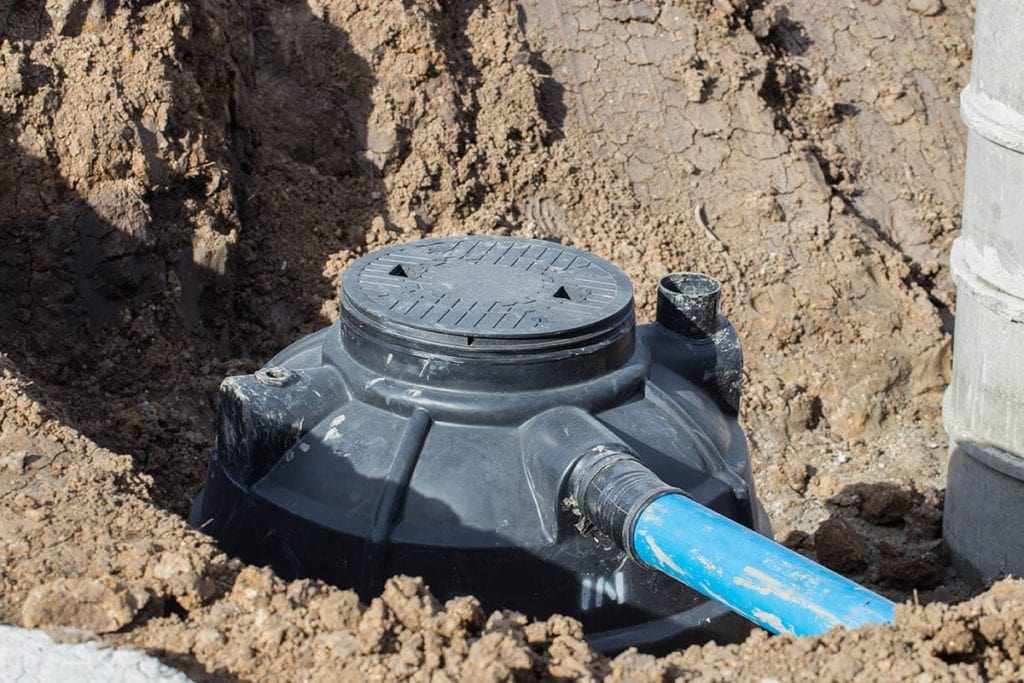
The Best Natural Solutions for Removing Septic Tank Smells Outdoors
A lingering, unpleasant odor wafting from your yard can be a real nuisance. If you suspect your septic system is the culprit, don't fret! You don't need harsh chemicals to conquer this problem. Nature offers several effective and eco-friendly solutions to banish those smelly septic tank vibes from your outdoor space.
The Power of Plants
Mother Nature has a way of solving many of our problems, and septic tank odor is no exception. Certain plants are known for their ability to absorb and neutralize unpleasant smells. You can create a natural air freshener by planting a few of these fragrant heroes around your septic tank area:
Lavender:
This fragrant flower is famous for its calming aroma, but it also happens to be a natural odor absorber. Plant lavender near your septic tank to mask any unpleasant smells with its soothing scent.
Rosemary:
Rosemary is another herb with a strong, pleasant aroma. It not only masks odors but also repels insects, making it a double win for your outdoor space.
Mint:
The fresh, invigorating scent of mint can effectively counteract the smell of your septic tank. Plus, you can enjoy a cup of refreshing mint tea while you tend to your garden!
The Magic of Baking Soda
Baking soda is a pantry staple for many reasons, and its odor-absorbing abilities make it a fantastic tool for tackling septic tank smells. You can use it in a couple of ways:
Direct Application:
Sprinkle a generous amount of baking soda directly on the soil around your septic tank. The baking soda will absorb odors and help to neutralize the smell.
Homemade Air Freshener:
Mix baking soda with water and your favorite essential oil (like lavender or citrus) to create a natural air freshener. Place this mixture in a spray bottle and spritz around your septic tank area to freshen the air.
Other Natural Solutions
Besides plants and baking soda, several other natural solutions can help you combat those pesky septic tank smells:
- Vinegar: Vinegar is a natural deodorizer and can help neutralize smells. Pour a gallon of white vinegar down your septic tank drain every few months.
- Activated Carbon: Activated carbon is known for its odor-absorbing properties. Place a bowl of activated carbon near your septic tank or sprinkle it around the area.
- Coffee Grounds: Coffee grounds can be added to your septic tank to help with odor control and break down waste.
- Citrus Peels: Citrus peels are a natural air freshener. Place citrus peels around your septic tank or toss them in the drain to combat unpleasant smells.
Maintenance Matters
While these natural remedies can significantly reduce septic tank odors, remember that proper maintenance is essential. Regularly pumping your septic tank, avoiding flushing unwanted items like grease and hair down the drain, and using septic-safe cleaning products can go a long way in preventing odors from forming in the first place.
By embracing these natural solutions and practicing good septic tank maintenance habits, you can enjoy a fresh and pleasant outdoor space, free from those pesky septic tank smells.
How to Fix Septic Tank Odors Without Digging Up Your Yard
How to Fix Septic Tank Odors Without Digging Up Your Yard
Let’s face it, septic tank odors are no picnic. The smell can be embarrassing, making you feel like you’re constantly hosting an unwanted party. And trying to pinpoint the source? That can feel like an episode of CSI! But, before you get out the shovels and start digging up your backyard, know that there are several ways to tackle these odors without the hassle of major excavation. Let's dive in!
Understanding the Source of Septic Tank Odors
The first step to tackling these odors is understanding where they come from. Septic systems are basically mini-wastewater treatment plants. They work by breaking down solid waste in the tank, and then releasing the treated liquid to the drain field. The main culprit for the smell is hydrogen sulfide (H2S) gas. This gas is produced as bacteria decompose the organic matter in the tank. So, if your tank is full, overflowing, or has issues with the drain field, it’s likely to release more H2S gas, leading to those dreaded smells.
DIY Solutions to Combat Septic Tank Odors
Now that you understand the problem, let’s look at some solutions. There are many things you can do to combat the odors without digging up your yard.
1. Maintain Your Septic System
Regular maintenance is key to a happy and odor-free septic system. Think of it like a carâ€"it needs regular tune-ups! Here’s what you can do:
- Pump your tank regularly. Experts generally recommend pumping every 3-5 years. But this frequency depends on the size of your tank and how many people are using the system.
- Avoid overloading the system. Don’t pour grease or oil down the drain, and be mindful of excessive paper usage. These can clog your system and cause odor issues.
- Use septic system additives. There are a variety of products designed to help break down waste in the tank, reduce odors, and improve system efficiency.
2. Check for Leaks
One common cause of septic tank odors is a leak in the system. Look for wet patches in the yard near your septic tank, and check for any cracks or damage to the tank itself. If you suspect a leak, contact a septic professional right away. They can assess the situation and recommend repairs.
3. Improve Ventilation
Sometimes, poor ventilation can trap odors in the system. Make sure the vent pipe is clear and unobstructed. If it’s damaged or needs replacing, call a professional to take care of it. You can also add a vent fan to your bathroom or kitchen to draw out odors and improve overall air circulation.
4. Natural Odor Neutralizers
You can also try natural methods to absorb odors. Placing open containers of baking soda or activated charcoal around the house can help neutralize odors. Another trick is to pour a mixture of baking soda and vinegar down the drain. This fizzing concoction can help to break down grease and neutralize odors.
5. Try a Septic System Odor Eliminator
There are various septic tank odor eliminators available on the market. These products often contain enzymes and bacteria that break down waste, reducing odors. Follow the instructions carefully and ensure the product is compatible with your specific septic system.
Preventing Septic Tank Odors in the First Place
It’s always better to prevent problems before they arise. Here are some tips to keep your septic system running smoothly and odor-free:
- Avoid pouring fats, oils, and grease down the drain. These substances can solidify in the tank, disrupting the breakdown process and causing odors.
- Limit the use of harsh chemicals. Drain cleaners and other harsh chemicals can disrupt the natural bacteria in your septic tank, making it less effective. Opt for natural alternatives when possible.
- Use low-flow showerheads and toilets. Conserving water can help reduce the amount of wastewater going into your septic system, minimizing the risk of overflows and odors.
When to Call a Professional
While there are plenty of DIY solutions for septic tank odors, some situations require professional help. It's best to call a septic system specialist if:
- You suspect a major leak. Leaks can be dangerous and expensive to repair, so don’t try to fix them yourself.
- You have a recurring odor problem. If the smell keeps coming back despite your best efforts, it’s time to call in the experts.
- Your septic system is very old. Regular maintenance is crucial for older systems, and a professional can help ensure it’s functioning correctly.
Commonly Asked Questions
1. What if I have a backup in my septic system?
A backup in your septic system is a serious matter. It usually means the drain field is overwhelmed, leading to untreated wastewater backing up into your home. This is a health hazard and should be addressed immediately by a professional.
2. How often should I have my septic tank pumped?
The frequency of septic tank pumping depends on several factors, including the size of the tank, the number of people using the system, and the amount of wastewater generated. As a general rule, pumping every 3-5 years is a good starting point. But it’s best to consult with a professional to determine the best schedule for your specific system.
3. Can I use bleach to clean my septic system?
Bleach is a harsh chemical that can disrupt the natural bacteria in your septic system, potentially causing odor issues. It’s best to avoid using bleach in your septic system.
4. What about other chemicals?
In general, it’s best to avoid using harsh chemicals in your septic system. Use natural alternatives whenever possible. If you need to use chemicals, consult with a professional to determine the safest options for your system.
5. Can I add anything to my septic tank to make it smell better?
You can try using septic tank additives, which often contain enzymes and bacteria that break down waste and reduce odors. But, be sure to choose a product specifically designed for septic systems and follow the instructions carefully.
Remember, a well-maintained septic system is a happy and odor-free system. By taking the right steps, you can enjoy a fresh-smelling home without the hassle of digging up your yard. Now that you’re armed with this knowledge, you can confidently tackle any septic tank odors that come your way!
Wednesday, November 13, 2024
New Septic Tank Smells in the Yard: What Are the Causes?
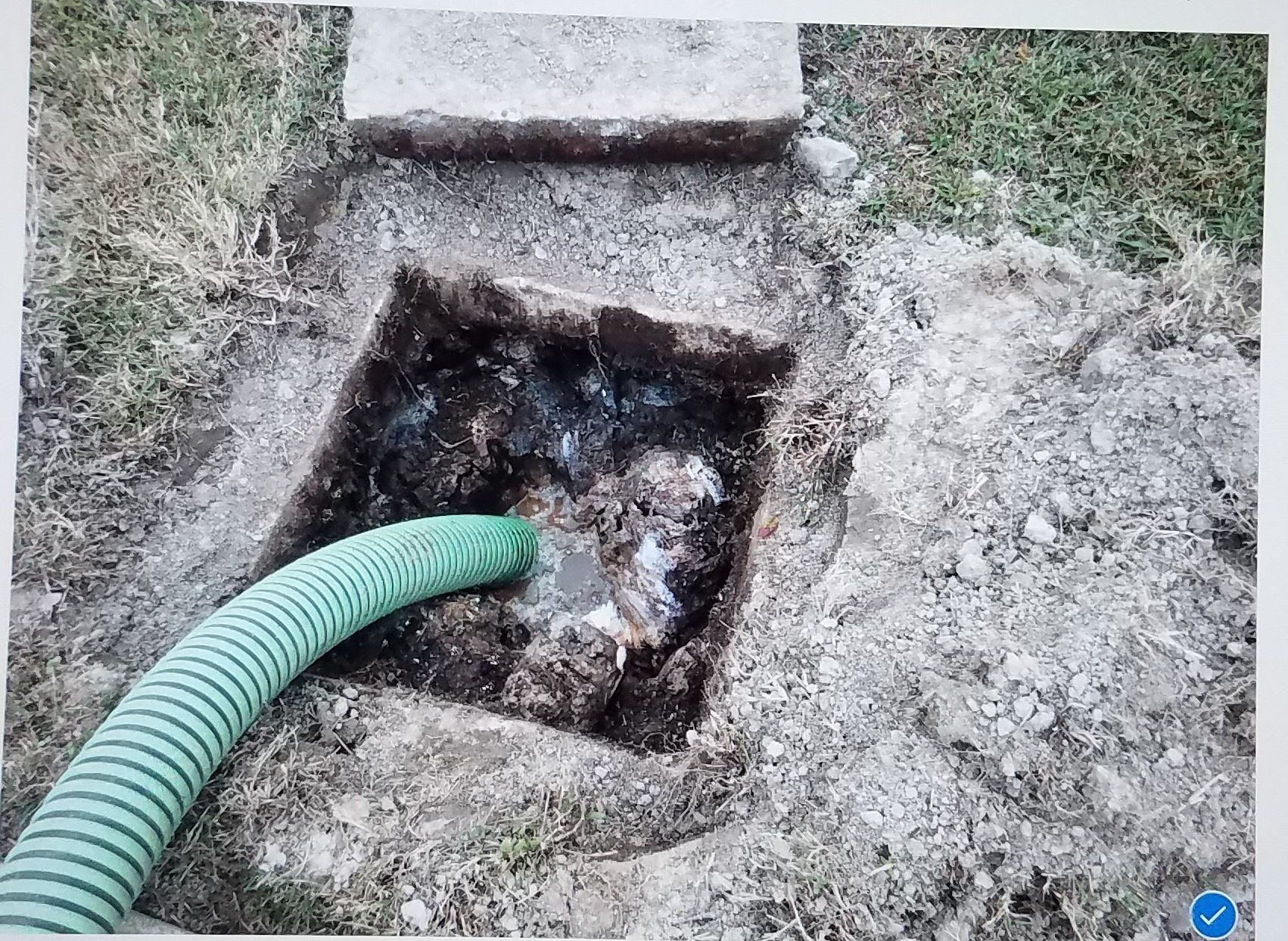
New Septic Tank Smells in the Yard: What Are the Causes?
A new septic tank is supposed to be a clean and efficient solution for wastewater management. However, sometimes, even a newly installed system can emit unpleasant odors into your yard, leaving you wondering what's going on. If you're dealing with a smelly septic tank, don't panic! Understanding the potential causes and implementing appropriate solutions can eliminate the issue quickly.
Common Causes of Septic Tank Odors
The source of a septic tank odor often lies in the tank itself, the drain field, or the vent pipe. Here are some of the most common reasons why your new septic tank might be smelling:
Improper Installation
A new septic tank system needs a meticulous installation process. If the tank isn't properly positioned, leveled, or connected, it can lead to a variety of issues, including odor problems. A slight misalignment can cause the tank to tilt, disrupting the natural flow of wastewater and creating a buildup of solids that can decompose and produce foul smells.
Insufficient Septic Tank Size
If your septic tank is too small for the amount of wastewater your household generates, it can quickly become overloaded. The system might not have enough space to efficiently process the waste, leading to backups and unpleasant odors. A professional septic tank installer can help you determine the appropriate size based on your household's size and wastewater usage.
Clogged Vent Pipe
The vent pipe is crucial for maintaining proper air circulation within the septic tank and drain field. A clogged vent pipe can prevent the release of gases and odors, forcing them to escape through other openings, such as the drain field or around the tank lid. Regular inspections and cleaning of the vent pipe are essential to prevent clogs.
Problems with the Drain Field
The drain field is responsible for filtering the treated wastewater before it's released back into the environment. If the drain field is malfunctioning due to clogging, soil compaction, or insufficient drainage, wastewater can back up and release unpleasant odors into your yard.
What to Do About Septic Tank Odors
Once you've identified the possible cause of the odor, you can take steps to resolve the problem. Here's a breakdown of actions you can take:
Contact a Septic System Professional
Don't try to tackle a complex septic tank problem yourself. A professional septic system inspector can diagnose the issue and provide the most effective solution. They'll use specialized equipment to inspect the tank, drain field, and vent pipe to identify any underlying problems that might be causing the odor.
Maintain Your Septic System
Proper maintenance can prevent odor problems and extend the lifespan of your septic system. Here's what you can do to maintain your system:
- Pump the tank regularly: Schedule regular septic tank pumping services to prevent the accumulation of solids that can lead to odor problems.
- Avoid overloading the system: Use water wisely and avoid dumping large quantities of grease, oils, and other hazardous materials down the drain.
- Inspect the vent pipe: Make sure the vent pipe is clear and free of blockages.
- Keep the drain field clear: Avoid driving or parking vehicles on the drain field area.
By following these tips and working with a qualified septic system professional, you can eliminate the unpleasant odors from your new septic tank and ensure its long-term efficiency.
Tuesday, November 12, 2024
Step-by-Step DIY Guide to Removing Septic Tank Smells

Goodbye, Septic Tank Smell: A DIY Guide to Eradicating That Funky Odor
Okay, so you've got a septic system. It's a great way to handle wastewater, but let's be honest, sometimes it can leave a little something to be desired in the aroma department. That pungent, earthy scent that seems to linger around your home can be a real downer. But don't despair! You can conquer those pesky smells with some simple DIY solutions.Understanding the Source of the Stench
First things first, let's figure out where those bad odors are coming from. Most often, the culprit is a leaky septic tank or drain field.Think of your septic system like a mini-ecosystem. Waste goes in, bacteria break it down, and then the filtered water drains out. But if something's not quite right, like a crack in the tank or a clogged drain field, those lovely bacteria can escape and release their pungent signature.
Troubleshooting: When the Smell is Really Bad
If the smell is particularly strong, it might be a sign of a bigger problem. Here are a few red flags to watch for:
- Sudden, intense smell: This could indicate a major leak in the tank or drain field.
- Smell in unusual places: If the odor is coming from areas outside the usual suspects (like the bathroom or laundry room), it might be a sign of a more widespread issue.
- Slow draining: Sluggish drains can mean your drain field is backing up, a sure sign that something needs attention.
If you notice any of these signs, call a professional septic service ASAP. It's better to nip a problem in the bud before it becomes a major headache (and smelly mess!).
DIY Deodorizing: Simple Solutions for Everyday Smells
Alright, now that we've tackled the big issues, let's focus on the everyday odors. You don't need a fancy plumbing crew for this! Here's what you can do:1. The Power of Baking Soda
Baking soda is a true hero in the battle against odors. It's a natural deodorizer and it's readily available in your kitchen. Here's how to use it:
- Sprinkle it around: Sprinkle some baking soda into the drains in your bathroom, kitchen, and laundry room. It'll absorb those nasty odors and freshen things up.
- Make a paste: Mix baking soda with water to create a paste. Apply this paste to stubborn stains or areas where the smell is concentrated. Let it sit for a few minutes, then scrub it away.
2. The Magic of Vinegar
Vinegar is another superstar in the odor-fighting game. It's a natural disinfectant and it can help neutralize those funky smells.
- Vinegar rinse: Pour a cup of white vinegar down your drains and let it sit for 15 minutes. This will help clean and deodorize the pipes.
- Vinegar spray: Mix equal parts white vinegar and water in a spray bottle. Use this solution to spray down surfaces and fabrics where odors are lingering.
3. The Power of Plants
Nature is on your side! Certain plants are known for their odor-absorbing abilities.
- Spider plants: These are easy to grow and can help neutralize odors, especially in areas like the bathroom.
- Snake plants: These resilient plants are great at cleaning the air and absorbing odors.
- Peace lilies: These beauties not only look stunning but also excel at removing volatile organic compounds (VOCs) from the air, including some of the smelly culprits that emanate from septic systems.
4. The Importance of Good Ventilation
Don't underestimate the power of good ventilation! Open your windows, turn on your fans, and let the fresh air flow through your home.
5. A Final Note About Drain Maintenance
For the best defense against septic tank smells, it's important to keep your drains clean and free of clogs. Regularly use a drain cleaner (check that it's safe for your septic system) to prevent build-up.
Don't Let the Smell Win!
Living with a septic system doesn't have to mean living with offensive smells. By understanding the source of the odor, using simple DIY solutions, and being proactive with your drain maintenance, you can create a fresh and comfortable environment in your home. Now go get rid of that stinky smell for good!
Best Methods to Eliminate Septic Tank Odors in Your Yard
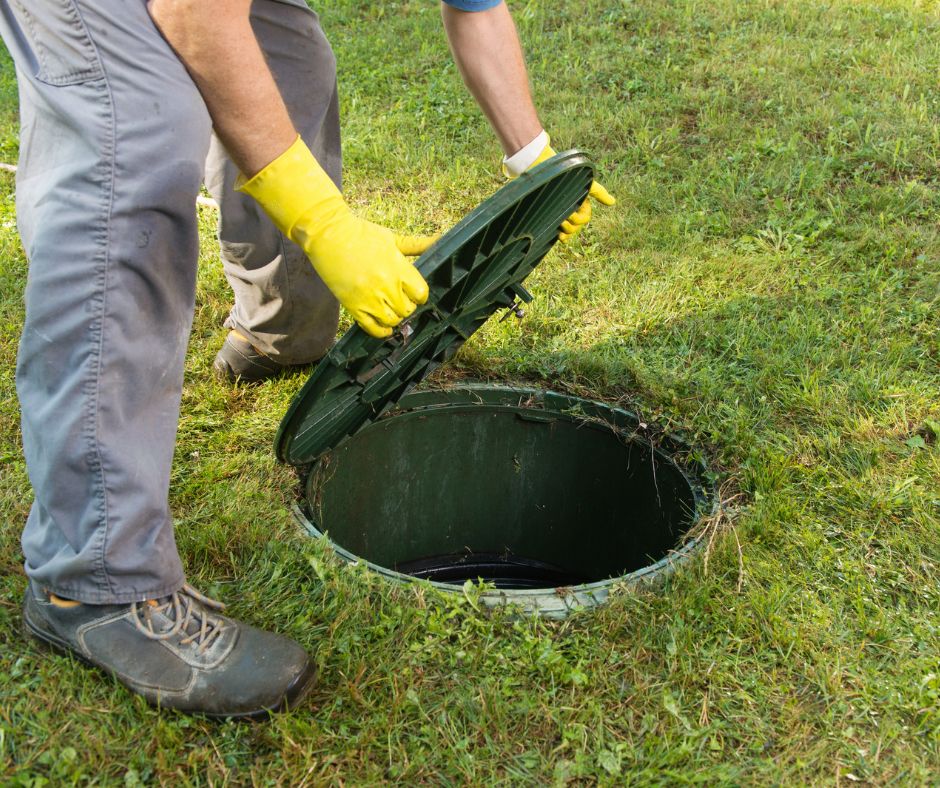
Banishing Septic Tank Odors From Your Yard
No one wants to be greeted by the unpleasant aroma of a malfunctioning septic system when they step outside. Septic tank odors can be embarrassing, and worse, indicate a problem that needs attention. The good news is that with a few proactive measures, you can banish these pesky odors and enjoy your yard without any olfactory distractions.
Understanding the Source
Before tackling the problem, it's essential to understand where the odor is coming from. Septic tank odors usually originate from:
- Improperly sealed lids or vents: Cracks or gaps in your septic tank lid or vent pipe can allow gases to escape.
- Overloaded system: When your tank is full, it can't process waste efficiently, causing odors to surface.
- Failing leach field: A damaged or clogged leach field can't adequately filter wastewater, allowing odor-causing bacteria to escape.
- Tree roots: Intrusive tree roots can damage pipes and compromise the system's integrity.
Effective Odor Elimination Strategies
Once you have a good grasp of the potential source, you can take steps to combat the odor. Here's a breakdown of effective methods:
1. Seal and Repair
Start by thoroughly inspecting your septic tank lid and vent pipe. If you find any cracks or gaps, seal them with a high-quality sealant designed for septic systems. If the vent pipe is damaged, call a professional plumber to repair it.
2. Maintain Regular Pumping
Regularly pumping your septic tank is crucial to prevent overloads. Most systems need to be pumped every 3-5 years. Your local septic service provider can advise you on the appropriate pumping schedule for your specific system.
3. Boost Bacteria Activity
Adding beneficial bacteria to your septic tank can break down waste more efficiently, reducing odor production. These bacteria are available in various forms, such as tablets, powders, and liquid solutions. Follow the instructions carefully for optimal results.
4. Address Leach Field Issues
If you suspect your leach field is failing, contact a professional. They can assess the situation and recommend appropriate solutions, which might include:
- Repairing damaged pipes: If pipes are cracked or leaking, they need repair.
- Replacing the leach field: In severe cases, a complete replacement of the leach field may be necessary.
5. Manage Tree Roots
Keep trees and shrubs away from your septic system to prevent root intrusion. If roots are already present, a professional can address the issue. Regularly monitoring for tree roots and addressing them promptly can save you headaches in the long run.
When to Call a Professional
While these home remedies can often address the problem, some situations require professional intervention. Contact a qualified septic service provider if you notice:
- Persistent odors: If the smell persists despite your efforts, you may have a more significant issue.
- Gurgling sounds in the pipes: This could indicate a blockage or drainage problem.
- Sewage backup in your home: This is a serious issue that requires immediate attention.
Preventative Measures
Preventing odors in the first place is always preferable. Adopt these habits to keep your septic system running smoothly:
- Avoid pouring grease and oil down the drain: These substances can solidify in your pipes and cause blockages.
- Use less toilet paper: Excess paper can overload your septic system. Opt for biodegradable options whenever possible.
- Limit flushing harsh chemicals: Bleach, disinfectants, and other strong chemicals can kill beneficial bacteria in your septic tank.
By taking the necessary steps, you can conquer septic tank odors and enjoy a clean, fresh-smelling yard. Remember, proper maintenance is key to keeping your septic system functioning efficiently and odor-free.
Removing Septic Tank Odors from Your Outdoor Space
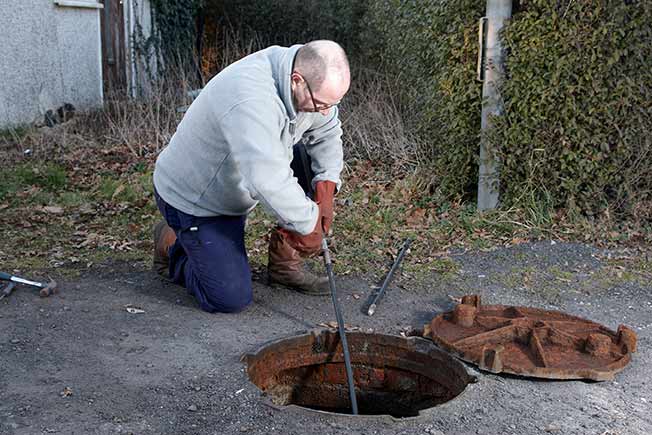
Removing Septic Tank Odors from Your Outdoor Space
The presence of septic tank odors in your outdoor space can be an unpleasant and embarrassing experience. Not only is it an olfactory nuisance, but it can also be a sign of underlying septic system issues. This article provides a comprehensive guide to understanding the causes of septic tank odors, and offers effective solutions for eliminating them and ensuring a fresh and enjoyable outdoor environment.
Understanding the Source of the Odor
Septic tank odors are typically caused by the release of hydrogen sulfide gas (H2S), a byproduct of the breakdown of organic matter in the septic tank. This gas is characterized by its distinctive rotten egg smell and can permeate the surrounding air. The release of H2S can occur for several reasons:
Overfilling of the Septic Tank
When the septic tank becomes overly full, it can lead to a buildup of solids and a reduction in the available space for liquid waste. This can cause the solids to decompose more rapidly, producing more H2S gas and increasing the likelihood of odor release.
Faulty Septic System Components
Problems with the septic system components, such as the drain field, leach field, or distribution box, can allow sewage to back up and release odors into the surrounding environment. This may be due to clogging, leaks, or other malfunctions.
Poor Ventilation
Inadequate ventilation of the septic tank can create a vacuum that pulls H2S gas into the surrounding air, contributing to odor problems. This is especially prevalent in areas with limited air circulation.
Improper Septic Tank Maintenance
Regular maintenance, including pumping and inspecting the septic tank, is crucial to prevent odor issues. Neglecting these tasks can lead to an accumulation of waste, creating a breeding ground for odor-producing bacteria.
Addressing Septic Tank Odors: Effective Solutions
Once you have identified the source of the odor, you can take steps to eliminate it and prevent its recurrence. Here are some effective solutions:
Pumping the Septic Tank
The most common and effective solution for septic tank odor problems is to pump out the tank. This removes accumulated waste and reduces the likelihood of gas production. It is recommended to pump your septic tank every 2-3 years or as needed, based on your usage and the tank's capacity.
Inspecting and Repairing Septic System Components
A thorough inspection of all septic system components is essential to identify and address any leaks, clogs, or other malfunctions. This may involve:
- Checking for leaks in the septic tank, drain field, leach field, and distribution box.
- Inspecting the drain field for signs of clogging, such as standing water or slow drainage.
- Evaluating the distribution box for any blockage or damage.
Any identified problems should be promptly repaired by a qualified septic system professional.
Improving Ventilation
Ensure adequate ventilation of the septic tank by:
- Checking the existing vent pipe and making sure it is free of obstructions.
- Adding a vent fan to improve air circulation and prevent pressure buildup.
- Planting trees or shrubs strategically to create windbreaks and promote air movement.
Using Septic Tank Odor Neutralizers
Septic tank odor neutralizers are products designed to absorb or neutralize H2S gas and other unpleasant odors. These products typically contain bacteria or enzymes that break down waste and reduce odor production. They are available in liquid, powder, and tablet forms and can be added to the septic tank or poured down the drain.
Adding Bioaugmentation Products
Bioaugmentation products contain beneficial bacteria and enzymes that promote the breakdown of organic matter in the septic tank. These products can help to improve the overall efficiency of the septic system, reducing odor production and promoting proper waste decomposition.
Maintaining Proper Septic Tank Usage
Adopting proper septic tank usage practices can help to minimize odor production and prevent system issues. These practices include:
- Avoid flushing non-biodegradable items down the toilet, such as wipes, paper towels, and feminine hygiene products.
- Use biodegradable detergents and cleaning products.
- Limit the amount of water used for laundry and dishwashing.
- Avoid using excessive amounts of water at one time, such as during showering or bathing.
Preventing Recurrence of Septic Tank Odors
Once you have addressed the odor problem, it is essential to take preventative measures to prevent its recurrence. These measures include:
Regular Septic Tank Maintenance
Schedule regular septic tank pumping and inspections to maintain the system's optimal performance. The frequency of pumping will depend on the size of the tank, the number of occupants, and the amount of water usage.
Monitor Septic System Components
Regularly inspect the drain field, leach field, and distribution box for any signs of damage, blockage, or malfunction. If any issues are found, address them promptly to prevent further problems.
Educate Household Members
Educate all household members about proper septic tank usage practices to minimize the risk of system issues and odor problems.
Conclusion
Septic tank odors can be a nuisance, but they are often a sign of a larger underlying issue. By understanding the causes of these odors and implementing appropriate solutions, you can eliminate the smell and ensure a fresh and pleasant outdoor environment. Regular maintenance, proper usage, and prompt attention to any signs of problems are crucial for preventing septic tank odors and maintaining the health of your septic system.
Tips for Maintaining a Smell-Free Septic Tank
Tips for Maintaining a Smell-Free Septic Tank
Let's face it, no one wants their home smelling like a sewer. And while septic tanks are designed to handle waste effectively, they can sometimes produce unpleasant odors if not properly maintained. But don't worry! Maintaining a smell-free septic tank is totally doable with a few simple habits.
Think of your septic system like a hardworking, yet delicate ecosystem. It's a complex system that relies on a delicate balance of bacteria to break down waste. So, keeping things in tip-top shape means understanding how to keep those bacteria happy and working their magic.
Understanding the Source of Septic Tank Odors
Septic tank odors usually arise when things go wrong. Here are some common culprits:
- Overloading the tank: If you're constantly flushing more than your tank can handle, it can lead to a backup, forcing waste to overflow and create those unwelcome smells.
- Poorly functioning septic system: Sometimes, the problem lies within the tank itself, like a leak or a malfunctioning filter, which can cause waste to escape and produce odors.
- Infiltration of groundwater: If water from the surrounding ground seeps into the tank, it can disrupt the bacterial balance and lead to smells.
- Clogged drain field: The drain field is responsible for filtering the wastewater, and a clog can prevent proper drainage, resulting in backflow and odors.
Preventative Measures for a Smell-Free Septic Tank
Now, let's talk about some practical things you can do to prevent those smelly situations:
Mindful Waste Management
It might sound obvious, but what you put down your drain matters! Here's how you can be more mindful:
- Reduce grease and oil: Don't pour grease down the drain! It solidifies and clogs pipes, which can lead to a backup and a smelly septic system. Use a strainer to catch food scraps and dispose of them in the trash.
- Limit disposable wipes: Even if they say "flushable," those wipes can create havoc in your septic system. They don't break down easily, and they can lead to clogs. Opt for toilet paper instead.
- Go easy on chemicals: Harsh chemicals like bleach, cleaners, and paint thinners can harm the bacteria that keep your septic tank working properly. Use natural cleaners whenever possible.
- Avoid excessive water usage: A full bathtub might seem relaxing, but it also puts a strain on your septic system. Shower instead, and avoid long showers. Try to spread out laundry days to avoid overloading the system.
Regular Maintenance is Key
Just like your car needs regular oil changes, your septic system benefits from some TLC:
- Get your septic tank pumped: Every few years, depending on the size of your tank and how many people live in your home, your tank will need to be pumped out by a professional. This ensures that solid waste is removed and the tank is operating efficiently.
- Inspect the drain field: This is the part of your system that filters the wastewater, and it can get clogged over time. Regular inspections are crucial to prevent overflows and smells.
- Check for leaks: Leaks in the tank or the drain field can lead to smells and contamination. Regular inspections can help catch these problems early.
Other Tips to Keep Odors at Bay
Beyond basic maintenance, there are a few other tricks you can try to eliminate odors:
- Add bacteria: You can buy septic tank additives that contain helpful bacteria that break down waste more efficiently.
- Ventilate properly: Make sure the vent pipe for your septic system is clear and unobstructed. This allows gases to escape safely.
- Use a septic system odor neutralizer: There are products specifically designed to neutralize odors. These are usually added to the tank or poured down the drain.
- Cover up: If you're dealing with a stubborn odor, try placing a bowl of baking soda or vinegar near the source. These can absorb some of the smell.
When to Call a Professional
Sometimes, a DIY approach isn't enough. If you're experiencing persistent odors, or if you suspect a more serious problem, don't hesitate to call a professional septic tank service. They can diagnose the issue and provide a solution.
Wrapping It Up
Maintaining a smell-free septic tank is all about taking a proactive approach. By being mindful of what you flush, performing regular maintenance, and being prepared to call a professional when needed, you can enjoy a fresh-smelling home and a well-functioning septic system.
How to Treat Septic Tank Smell by Adding Septic-Friendly Products
How to Treat Septic Tank Smell by Adding Septic-Friendly Products
A septic tank is a vital part of your home's wastewater system, but when it starts to smell, it's a sign that something is wrong. Septic tank odor can be caused by a variety of factors, including a buildup of solids, a failing leach field, or simply an overloaded system. While a professional inspection is always recommended, there are some septic-friendly products you can add to your tank to help neutralize odors and improve its overall function.
The Importance of Septic Tank Maintenance
Before we dive into septic-friendly products, it's important to emphasize the importance of regular septic tank maintenance. Having your tank pumped every 3-5 years, depending on your household size and usage, prevents the buildup of solids that can lead to odor problems.
Septic-Friendly Products for Odor Control
Septic-friendly products can be a valuable tool in your fight against septic tank odor. They work by breaking down solids, reducing the amount of gas produced, and masking unpleasant smells. Here are some of the most popular options:
Bacteria-Based Products
Bacteria-based products contain beneficial bacteria that break down organic waste and help prevent the buildup of solids. They are generally considered safe for septic systems and can be purchased at most hardware stores.
Enzyme-Based Products
Enzyme-based products work similarly to bacteria-based products but contain enzymes that break down waste more quickly. They are particularly effective at dissolving fats, oils, and grease. You can find enzyme-based products at many home improvement stores.
Odor Neutralizers
Odor neutralizers are not intended to treat the underlying causes of septic tank odor but rather to mask the smell. They work by releasing fragrances that cover up unpleasant odors. While these products can provide temporary relief, they do not address the root of the problem.
Tips for Choosing Septic-Friendly Products
Not all products are created equal. Here are some important tips to keep in mind when choosing septic-friendly products:
Conclusion
Septic tank odor can be a nuisance, but with the right products and proper maintenance, you can keep your system functioning smoothly and smelling fresh. Remember to choose septic-friendly products, read labels carefully, and consult with a professional for any persistent odor issues. By taking care of your septic system, you'll ensure it continues to serve you well for years to come.
How to Prevent Septic Tank Odor by Keeping Your Tank Clean
Let’s face it, nobody enjoys that unmistakable, pungent aroma that sometimes floats from the vicinity of your septic tank. It's a clear sign that something's not quite right down there, and it's a major bummer. But fear not, because we're about to delve into the world of septic tank maintenance and conquer those smelly odors once and for all.
Think of your septic tank like a well-behaved pet. It needs regular care and attention to stay happy and healthy. Just like a dog needs a walk and a bowl of kibble, your septic tank needs regular pumping and a few key habits to keep it running smoothly. So, let's roll up our sleeves and get to work on banishing those nasty smells!
Understanding the Enemy: Where does the smell come from?
That unpleasant odor you're dealing with is actually a byproduct of the breakdown process happening inside your septic tank. The bacteria in your tank diligently work to decompose waste, but this decomposition process releases gases like hydrogen sulfide â€" the culprit behind that rotten egg smell â€" and methane, which is flammable.
The Golden Rule: Pumping is key!
Imagine your septic tank as a giant bucket. If you keep filling it without ever emptying it, it's going to overflow! Same goes for your septic tank. Regular pumping is crucial to prevent the build-up of sludge and scum, which are the breeding grounds for those odor-causing bacteria. Aim to have your tank pumped every 3 to 5 years, depending on the size of your tank and your household size.
Beyond Pumping: Simple Habits for a Smell-Free Life
While regular pumping is the bedrock of septic tank maintenance, there are other everyday habits that can make a big difference in keeping those odors at bay.
Water Wisely: Septic tanks thrive on a steady flow of water. Avoid excessive water usage by taking shorter showers, fixing leaky faucets, and using washing machines and dishwashers efficiently.
Don't Flush the Wrong Things: Your septic tank isn't a garbage disposal. Avoid flushing anything that won't readily decompose, like:
Disposable wipes: Even those labelled "flushable" can cause serious clogs.
Fats, oils, and grease: These substances solidify in your pipes, leading to clogs.
Cigarette butts, coffee grounds, and food scraps: These can overload your tank and lead to odor issues.
Keep Your Drainfield Happy: The drainfield is where the treated wastewater from your septic tank is released into the ground. Avoid planting trees or shrubs near your drainfield, as their roots can disrupt the drainage system.
Use Bioaugmentation Products: These products contain beneficial bacteria that help break down waste more efficiently. They can help minimize odor issues and improve the overall performance of your septic system.
What to Do When the Smell Persists:
Even with diligent maintenance, you might occasionally encounter a foul odor. Don't panic! Here are some troubleshooting steps:
Inspect the System: Check for any leaks or cracks in your pipes or tank.
Check the Vents: Your septic tank has vents to release gases and prevent pressure build-up. Ensure these vents are clear and unobstructed.
Call a Professional: If the smell persists, it's time to call a professional septic tank service. They can pinpoint the problem and recommend the appropriate solution.
Beyond the Smell: Why Septic Tank Maintenance Matters
Septic tank maintenance is more than just about avoiding embarrassing odors. It's about protecting your investment in your home and ensuring a healthy environment for your family. A well-maintained septic system:
Protects your health: It prevents the spread of harmful bacteria and pathogens.
Saves you money: Regular maintenance can prevent costly repairs or replacements.
Protects the environment: A properly functioning septic system ensures wastewater is treated effectively.
The Final Word: Embracing Your Septic Tank
You might not love your septic tank, but it's a crucial part of your home's infrastructure. By understanding its needs and implementing the right maintenance practices, you can enjoy a smell-free and worry-free experience.
Think of it this way, caring for your septic tank is like taking care of your car â€" it's about preventative maintenance and ensuring it runs smoothly for years to come!
How to Eliminate Septic Tank Odor with Regular Septic Tank Additives

The presence of a septic system is a common reality for many homeowners, offering a reliable method of wastewater treatment. However, these systems can sometimes become a source of unpleasant odors, disrupting the peace and comfort of a home. While occasional odors may be expected, persistent and strong smells can signal underlying issues that need addressing. This article delves into the effective use of septic tank additives to combat odor problems, providing a comprehensive guide to maintain a pleasant environment within and around your home.
### Understanding Septic Tank Odors and Their Causes
Septic tank odor arises from the breakdown of organic waste within the tank. This decomposition process generates gases, some of which are highly volatile and pungent. The primary contributors to these odors include:
Hydrogen sulfide (Hâ‚‚S): This gas, responsible for the characteristic "rotten egg" smell, forms during the breakdown of organic matter in the absence of oxygen.
Ammonia (NH₃): Often associated with urine, ammonia contributes to a strong, acrid odor.
Methane (CHâ‚„): While less pungent, methane is highly flammable and can indicate a malfunctioning septic system.
Other volatile organic compounds (VOCs): These various compounds contribute to a complex mixture of smells, creating an overall unpleasant scent.
The presence of these gases can be exacerbated by factors such as:
Overloading the septic system: Excessive waste input can overwhelm the bacteria responsible for decomposition, leading to incomplete breakdown and increased odor production.
Improper septic system maintenance: Neglecting regular maintenance tasks like pumping and inspection can allow solids to accumulate, hindering the proper functioning of the system and fostering odor-producing conditions.
Defective components: Cracks or leaks in the septic tank or drainfield can allow gases to escape into the surrounding soil and air, leading to noticeable odor issues.
### The Role of Septic Tank Additives in Odor Control
Septic tank additives are designed to address the root cause of odor by promoting a healthy and efficient environment within the system. These products typically contain a blend of beneficial bacteria, enzymes, and other ingredients that work together to:
Enhance bacterial activity: Introducing beneficial bacteria into the septic tank helps decompose organic waste more efficiently, reducing the buildup of odor-causing gases.
Break down solids: Enzymes assist in breaking down solids and fats, preventing their accumulation and promoting smoother flow within the system.
Control odor-producing bacteria: Specific additives may contain ingredients that target and inhibit the growth of bacteria known to produce unpleasant odors.
### Choosing the Right Septic Tank Additive
With a multitude of options available, selecting the appropriate septic tank additive can be challenging. Here are key factors to consider:
Type of product: Additives come in various forms, including liquids, powders, and tablets. Choose a product that aligns with your preferences and ease of application.
Ingredients: Analyze the ingredients to ensure they are safe for your septic system and environment. Avoid additives containing harsh chemicals or potentially harmful substances.
Specific features: Some additives target specific issues like odor control, grease reduction, or solid breakdown. Choose a product that addresses your primary concern.
Compatibility: Ensure the chosen additive is compatible with your septic system. Some products may require specific tank configurations or installation techniques.
Environmental impact: Consider the environmental footprint of the product. Opt for biodegradable and non-toxic options that minimize harm to the surrounding soil and water.
### Effective Use of Septic Tank Additives for Optimal Odor Control
Regular use: Utilize the additive as instructed on the product label. Maintaining a consistent schedule ensures continuous odor control.
Proper application: Carefully follow application instructions to ensure proper distribution within the septic tank.
Monitoring and maintenance: Observe any changes in odor levels after introducing the additive. Adjust application frequency or switch products if needed.
Combined approach: Consider combining the use of additives with other maintenance practices like regular pumping and system inspections for a comprehensive odor control strategy.
Alternative solutions: In case of persistent odors, consider exploring additional solutions like aeration systems or professional odor removal services.
### Conclusion
Using septic tank additives offers a proactive and effective approach to combatting odor issues in your home. By understanding the causes of these smells, carefully selecting the right additive, and utilizing it consistently, you can maintain a healthy septic system and a pleasant environment within and around your property. However, remember that additives are just one part of a comprehensive maintenance strategy. Regular inspections, pumping, and proactive steps to avoid overloading the system are crucial for long-term odor control and optimal septic system performance.